Dog Breeds Australians Love

10 Dog Breeds Australians Love the Most

Whether it’s for work, helping people get around, or purely for companionship, it’s clear that Aussies absolutely love their doggy friends (and why so many of them protect them with pet insurance). In 2016, it was estimated that around 38% of Australian homes had at least one dog.

But what types of dogs do Aussies love the most? And do particular breeds have distinct advantages and disadvantages? Based on the Australian National Kennel Council’s National Animal Registration Analysis, here are the 10 most popular dog breeds in Australia.
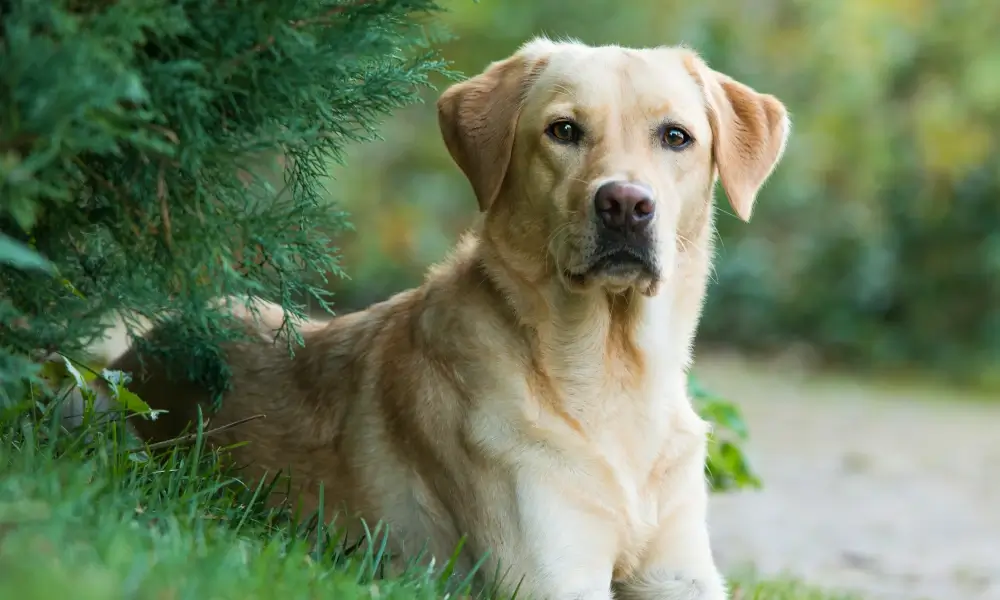
Labrador 1st most loved dog by Aussies

1. Labrador Retriever

 
Group: Gundog
These Labrador Retrievers were initially bred to help hunters retrieve game (birds, rabbits, etc.). Chances are if the dog breed has “retriever” in its name, it is a gundog by nature.
 
Lifespan: 12-14 years
Advantages of a Labrador Retriever

  • Very intelligent, easy to train: From providing seeing eyes for the blind to detecting contraband at airports, there isn’t a whole lot the Labrador breed can’t do if trained properly.
  • Great for children: The friendly nature of the Labrador makes them an excellent dog breed for houses with children. They are affectionate, playful, and most importantly, patient.
  • Friendly towards other animals: If you already have a pet, adding another can potentially lead to conflict among your furry children. However, that generally isn’t something you have to worry about with Labradors, as they are usually friendly to other pets they encounter.

Disadvantages of a Labrador Retriever

  • They’re adventurous: Sometimes Labradors are a little too smart for their own good. If they are left unattended, they may have the tendency to go for an adventure outside the confines of your property. This could be a problem if you live near a main road.
  • Can become destructive when bored: Labradors tend to require constant attention and mental stimulation – after all, they are a breed that have been heavily relied on as helper dogs. Like most other breeds, Labradors can be destructive if they aren’t getting enough exercise or if they are left unattended.
  • Sheds a lot of hair: For a breed with a relatively short coat, Labradors shed a significant amount during the main moulting periods.


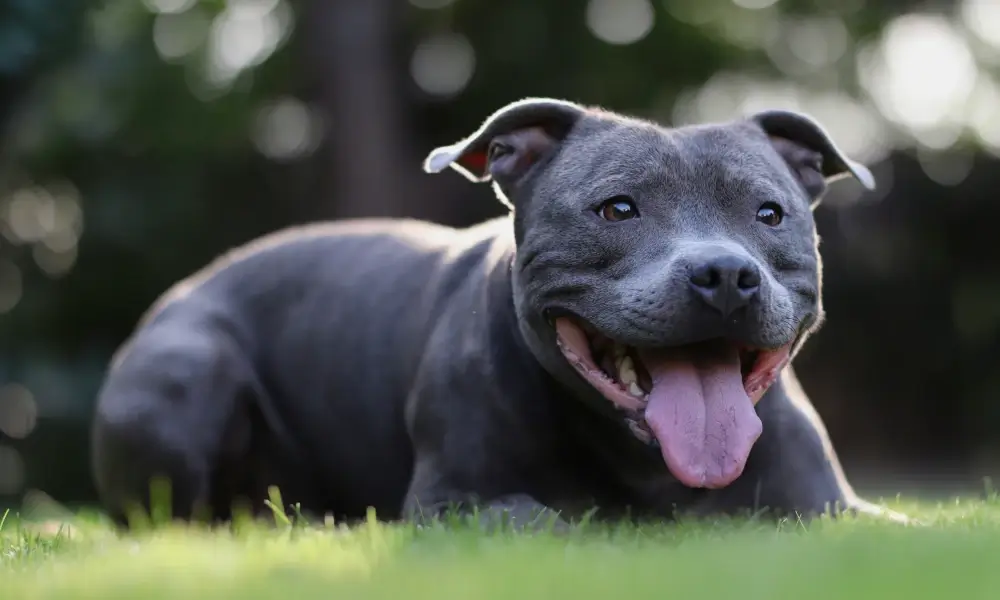
Staffordshire Bull Terrier 2nd most loved dog by Aussies

2. Staffordshire Bull Terrier

 
Group: Terrier
Adept at digging and hunting small animals. The Staffie was originally bred to fight, but is now a popular breed for active families.
 
Lifespan: 12-14 years
Advantages of a Staffordshire Bull Terrier

  • Easy to train: The Staffordshire Bull Terrier can be trained fairly easily, as they are always eager to impress their owners. Once they have learned the basics, they are generally very obedient and loyal.
  • Great guard dog: Although they’re not the biggest breed, the Staffie is built solid and make for an intimidating guard dog. With their energy and bark, they will most likely keep potential intruders at bay.
  • Excellent for active households: Staffies are very energetic and absolutely love being active with their family. Going for walks, playing fetch and beach trips are all great ways to bond with the Staffordshire Bull Terrier.

Disadvantages of a Staffordshire Bull Terrier

  • Can become destructive when bored: While having an active dog can be great, it isn’t ideal for families who just want to stay at home. With all its extra energy, the Staffordshire Bull Terrier can be destructive and are notorious chewers. It’s best to make sure they have plenty of exercise and plenty of chew toys to keep their mouths occupied.
  • Can be aggressive: Some Staffies can be a handful, particularly when you’re trying to walk them. Their over-eagerness can lead them to pull on the leash – and with their strength, this can provide quite a challenge for some owners.
  • Potential aggression towards other animals: Staffies might not be the best dog for households that already have pets, as they might not be friendly to other animals. For this reason, it’s imperative to train them at a young age.


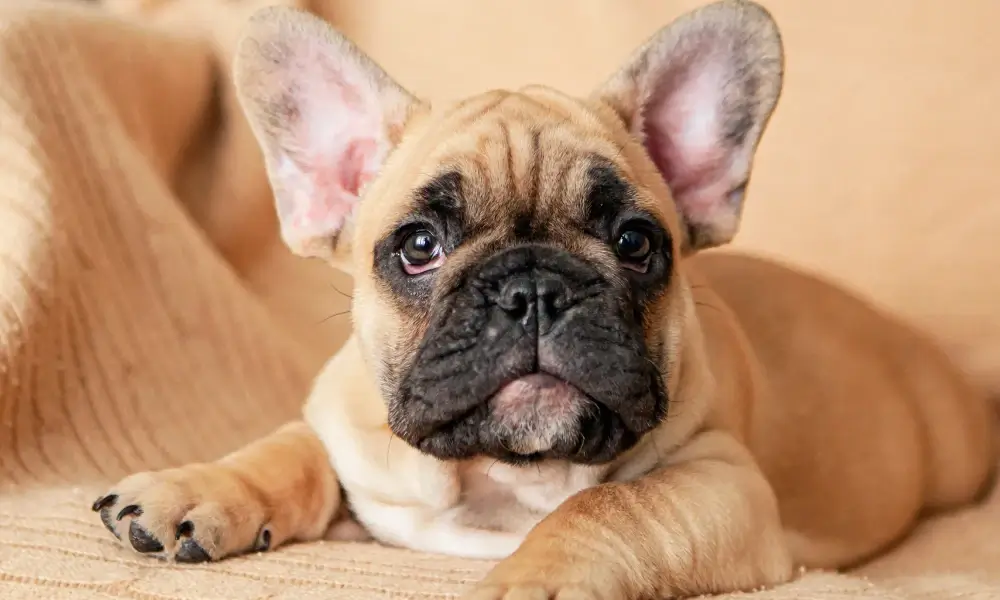
French Bulldog 3rd most loved dogs by Aussies

3. French Bulldog

 
Group: Non-sporting
Essentially a miscellaneous category for dogs that might not fit into the other groups. Utility and Non-sporting breeds like the Frenchie, are usually bought purely for companionship, but are generally too large to fit into the Toy group.
 
Lifespan: 10-12 years
Advantages of a French Bulldog

  • Suitable for children: With their smaller size, friendliness and playful nature, French Bulldogs are generally very compatible with children.
  • Great with other animals: Introducing a dog to a household that already has pets can be a problem at times, but generally speaking, the French Bulldog gets along with other animals. This makes them an excellent dog to add your existing fur family.
  • Barely sheds any hair: Want a pet, but don’t want to deal having stray hair all around your house? The French Bulldog barely sheds, making them a great option for people who don’t want to be continuously sweeping or vacuuming.

Disadvantages of a French Bulldog

  • Can be stubborn during training: They aren’t an overly hard dog breed to train, but it can be a challenge if the owner doesn’t have the right approach. It requires patience on the trainer’s part – otherwise, you could find yourself in the doghouse with this particular breed.
  • They don’t adapt well to warmer climates: French Bulldogs tend to struggle with overheating on warm days. They often have trouble breathing during hotter days due to their short snouts. It is important that they aren’t overexerted and are constantly kept cool during the summer time.
  • They don’t swim very well: It’s hard to imagine a dog that isn’t able to swim – or one that doesn’t enthusiastically dive into the water when given the opportunity – but the French Bulldog is one of the rare exceptions. Much like children, they require constant supervision around water, and generally need life jackets if you plan on getting them in the water.


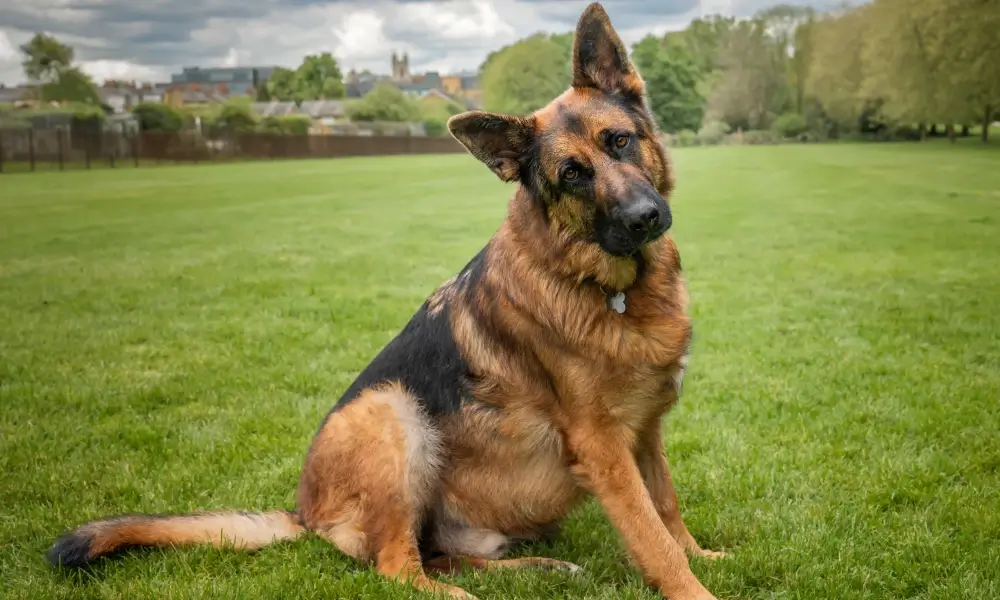
German Shepherd 4th most loved dog by Aussies

4. German Shepherd

 
Group: Working Dog
While also bred for companionship, working dogs are known to perform tasks to help make owners’ lives easier. German Shepherds have been commonly utilised as guard dogs.
 
Lifespan: 10 years
Advantages of a German Shepherd

  • Very intelligent, easy to train: An astute learner, German Shepherds respond well to training and can be taught various skills outside of the basics. Once you have properly trained a German Shepherd, it’s unlikely you will have a more loyal dog.
  • Great guard dog: With their unwavering loyalty to their owners – along with their vicious sounding bark – German Shepherds are a daunting prospect for potential intruders.
  • Excellent for active households: If your family are regulars down at the beach or enjoy long walks, then German Shepherds are great dogs to own. They have plenty of energy and thrive on being exercised regularly.

Disadvantages of a German Shepherd

  • Can become destructive when bored: Due to their high levels of energy and intelligence, German Shepherds can become bored easily when they are left alone. For this reason, German Shepherds are not recommended for apartment living.
  • Potential aggression towards other animals: German Shepherds may love their owners, but they can be aggressive towards other animals. This could be an issue if you want to go to dog parks or have existing pets in your family.
  • Sheds a lot of hair: German Shepherds are known for their thick coats – and as a result, shed frequently. If you have someone in your house who has allergies, the German Shepherd might not be the most suitable breed.


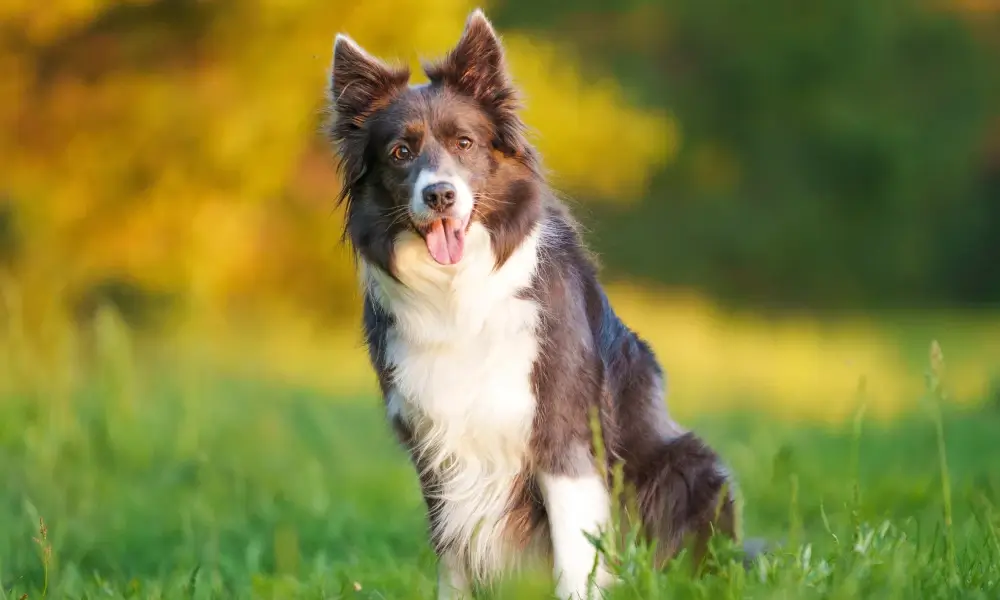
Border Collie 5th most loved dog by Aussies

5. Border Collie

 
Group: Working Dog
Suitable for active households, working dogs are known to excel at performing specific tasks for their owners. The Border Collie is often employed on farms as a sheepherding dog.
 
Lifespan: 12-14 years
Advantages of a Border Collie

  • Very intelligent, easy to train: Commonly regarded as one of the smarter dog breeds, the Border Collie can be trained quite easily. They have the capacity to learn not just the basics, but various tricks that you can show off to other dog owners at the park. Chances are if a dog can do it, it’s not beyond a Border Collie.
  • Great working dog: In addition to them being incredibly smart and easy to train, the Border Collie thrives as a working dog. Collies are particularly helpful if you work on a farm and need to round up animals, as herding is a natural instinct of the breed.
  • Excellent for active households: The high energy levels of Border Collies make them great dogs for people who enjoy outdoor activities. Whether you’re just playing with them in the backyard or going to the beach, they absolutely love being active with their family.

Disadvantages of a Border Collie

  • Natural instinct to herd groups: Similar to other dog breeds, the Border Collie’s instincts can take over at times. Since they were initially bred to herd farm animals, Border Collies may attempt to herd groups of people and in some cases, cars. You will have to effectively train your pup early to curb this behaviour.
  • Can become destructive when bored: Being working dogs, Border Collies need active owners. Even though they aren’t an aggressive dog by nature, the Border Collie can develop destructive tendencies without a regular exercise routine.
  • Can be escape artists: Being active and highly intelligent are two great traits the Border Collie breed possesses – but if you don’t have secure fencing around your house, this can also be a problem. If left unattended, Border Collies might find a way to escape your property, which could potentially be a major issue, given their tendency to herd groups.


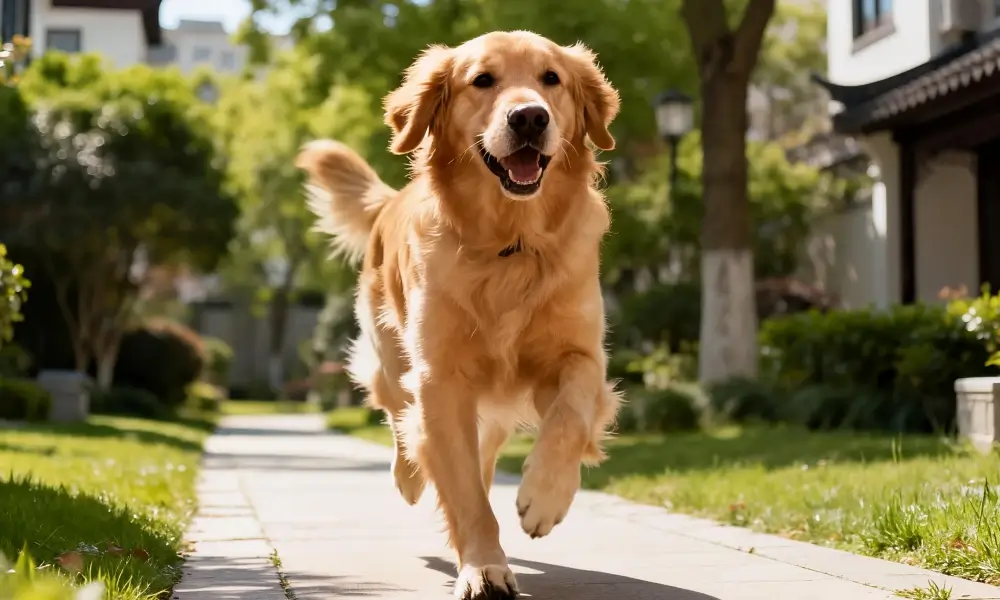
Golden Retriever 6th most loved dogs by Aussies

6. Golden Retriever

 
Group: Gundog
Gundogs, such as Golden Retrievers were originally bred to help gather fallen game for hunters.
 
Lifespan: 12-17 years
Advantages of a Golden Retriever

  • Very intelligent, easy to train: One of the more intelligent dog breeds, Golden Retrievers can be trained quite easily. Along with standard training, they can also learn to perform more complex duties, including helping people with disabilities.
  • Great for children: Your children will absolutely love the Golden Retriever, and the feeling will be mutual. Their playful, energetic and sociable nature makes them a hit with the little ones.
  • Gets along with other animals: An incredibly gentle dog, the Golden Retriever will most likely get along with any existing pets you may have. This adaptability is part of what makes them one of Australia’s most popular breeds.

Disadvantages of a Golden Retriever

  • Requires regular grooming: To keep the Golden Retriever’s coat beautiful and luxurious, a lot of grooming is required. It needs to be brushed and trimmed regularly, which can add up if you’re getting it done professionally.
  • Sheds a lot of hair: Along with the regular grooming schedule, Golden Retrievers also shed a lot. If you buy one, get used to seeing those golden hairs all over your house. If your household has people that have allergies, a dog that sheds less would be recommended.
  • Not a great guard dog: While alert and ready to bark at any intruders that may attempt to enter your house, Golden Retrievers aren’t the most intimidating dogs.


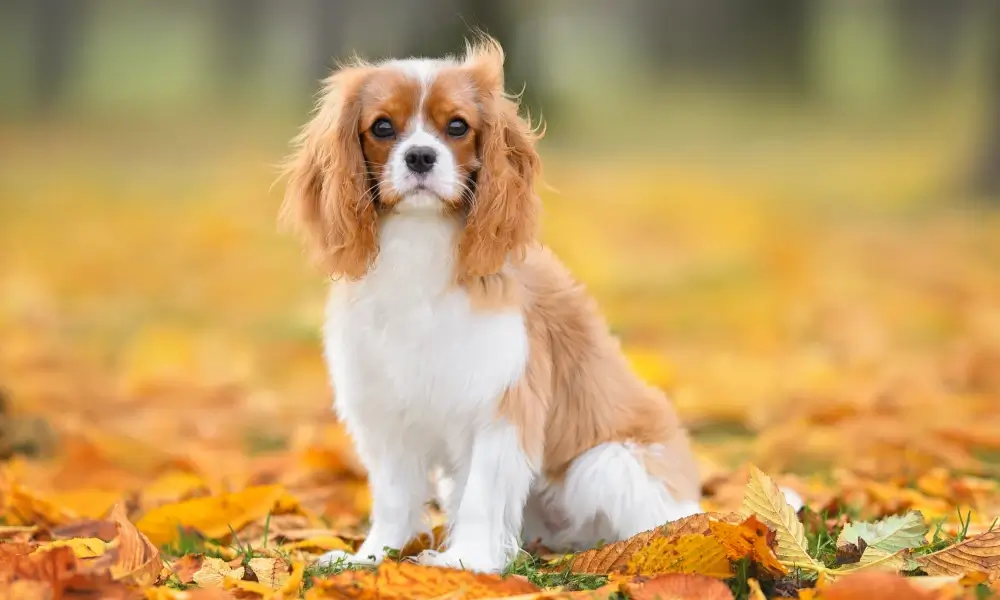
Cavalier King Charles Spaniel 7th most loved dog by Aussies

7. Cavalier King Charles Spaniel

 
Group: Toy
Generally the smallest dogs, toy breeds like the Cavalier King Charles Spaniel, are usually bought for the purpose of companionship. Toy breeds also include miniature versions of larger dogs.
 
Lifespan: 13-15 years
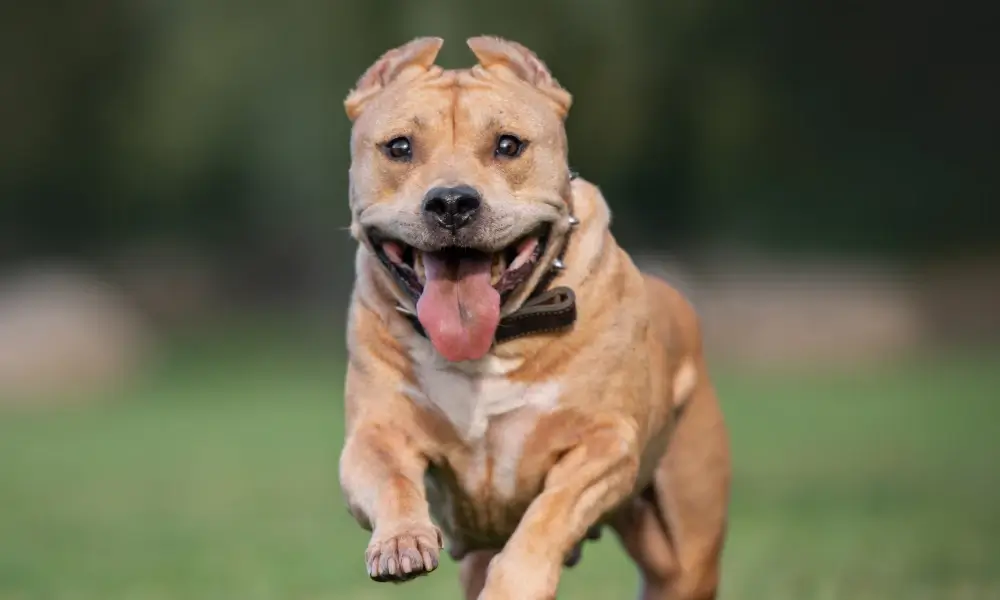
Advantages of a Cavalier King Charles Spaniel

  • Affectionate: If you’re simply looking for a lap dog, it’s hard to go past the Cavalier King Charles Spaniel. They’re sweet, cuddly and incredibly sociable with just about everyone.
  • Easy to train: Cavaliers are a fairly low-maintenance breed. They generally respond well to commands and as a result, can be trained relatively quickly.
  • Great for children: The Cavalier’s size, along with their easy-going, loving nature makes them an excellent breed for children. They are also great to take on family trips, as they will easily fit into any car you may have.

Disadvantages of a Cavalier King Charles Spaniel

  • Potential for weight gain: As great as having a lap dog can be, the Cavalier King Charles Spaniel can be particularly susceptible to weight gain if they are overfed and aren’t exercised regularly.
  • Needs thorough grooming: While you may love the Cavalier’s cute, floppy ears, they require extra attention while grooming. During meal time, food scraps can get caught in the long hair, and they can also be a convenient hiding place for fleas and ticks. The lack of air going to their ears can also lead to infections, so to keep your dog happy and healthy, you have to make sure you’re proactive when it comes to grooming.
  • Separation anxiety: If you have a Cavalier King Charles Spaniel, chances are it absolutely adores you, which means it wouldn’t cope well when you’re not around. This separation anxiety can lead to destructive behaviour and excessive barking.


American Staffordshire Bull Terrier 8th most loved dog by Aussies

8. American Staffordshire Bull Terrier

 
Group: Terrier
Known for their digging and hunting of rodents and other small animals. Similar to the Staffie, the American Staffordshire Bull Terrier, also called an Amstaff or American Staffie, was originally bred to fight, but now makes a great show dog and companion for active families.
 
Lifespan: 12-14 years

Advantages of a American Staffordshire Bull Terrier

  • Easy to train: Contrary to what their reputation might suggest, American Staffordshire Bull Terriers are actually fairly easy to train and are quite obedient. Although they may require someone who is confident to teach them the basics, when trained properly, the American Staffie loves to impress its humans.
  • Great guard dog: Since they are a type of Pit Bull, the American Staffordshire Bull Terrier makes for an intimidating guard dog. With their reputation for strength and aggression, potential intruders will be hesitant to break into your house when they see this Staffie.
  • Excellent for active households: Energetic and strong, the American Staffordshire Bull Terrier is a dog that craves being active with its family.

Disadvantages of a American Staffordshire Bull Terrier

  • Can be aggressive: It is important to train American Staffordshire Bull Terriers at a young age, since they can have the tendency to dominate with their strength. They can be particularly challenging to walk, and at times, may pull on the leash and take you for a walk instead.
  • May not get along with other animals: American Staffies need to be socialised early in their development. If this isn’t done, they could become aggressive, given they were initially bred to fight.
  • Reputation: While generally great dogs, the American Staffie does have a slight reputation problem, as they can be seen as an aggressive and intimidating breed. This is something you need to be aware of when taking your dog out for a walk, as other people might not love your Staffie as much as you do.


Rottweiler 9th most loved dog by Aussies

9. Rottweiler

 
Group: Utility
A category that includes breeds of various purposes, Utility dogs are usually kept purely for companionship. Despite being listed in this category, the Rottweilers also have history of being guard dogs.
 
Lifespan: 10-12 years
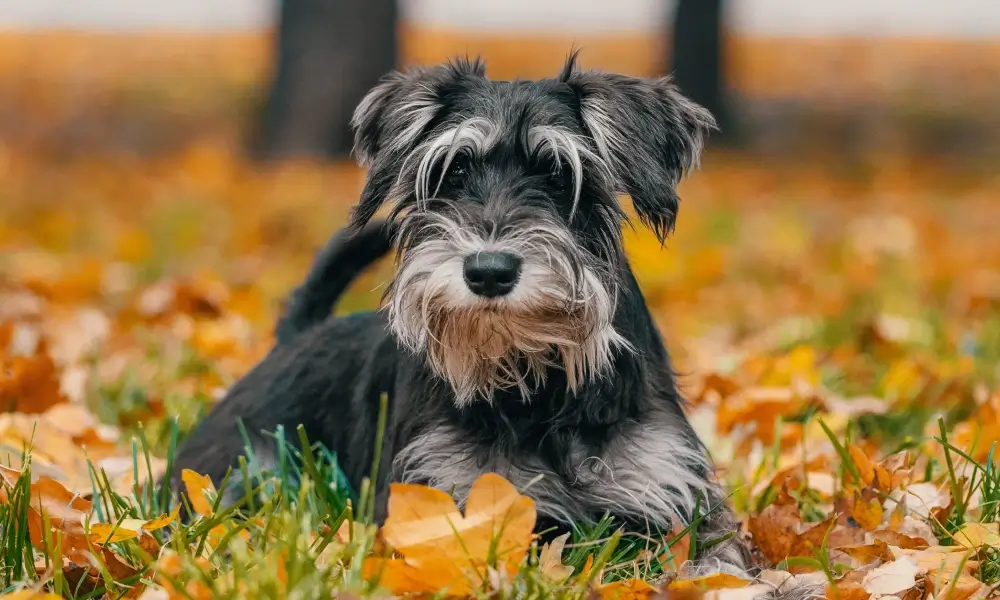
Advantages of a Rottweiler

  • Affectionate: Rottweilers love to be near their owners. Whether it is a puppy or a fully-grown adult, Rottweilers usually love cuddles and may even want to lay in their owner’s lap.
  • Great security dog: While your Rottweiler may be the sweetest dog, they can certainly come across as intimidating with their size, bark and energy. It is unlikely you will have any intruders with a fully-grown Rottweiler guarding your house.
  • Low maintenance grooming routine: Rottweilers don’t require the meticulous grooming routine of some other breeds. They also shed very little hair during moulting seasons, so a good brushing during these times is generally enough.

Disadvantages of a Rottweiler

  • Can be known for dominant behaviour: It is imperative that Rottweilers are trained to learn their place in the family. Otherwise, with their size and energy, Rottweilers can be difficult to keep in line.
  • Can become destructive when bored: Rottweilers aren’t the best dog to leave unsupervised. Being a larger breed with lots of energy, they can leave a path of destruction if they are bored or under-exercised.
  • Reputation: It’s no secret that Rottweilers suffer from an image problem. In fact, there are various countries that have restrictions or flat out bans when it comes to the breed. So while you may love your Rottweiler, it’s best to keep in mind that your neighbours may not share the same attitude.


Miniature Schnauzer 10th most loved dog by Aussies

10. Miniature Schnauzer

 
Group: Utility
The Miniature Schnauzer is part of the utility group of dog breeds, a miscellaneous breed bought for companionship, utility dogs are generally too big to be in the Toy group.
 
Lifespan: 14 years

Advantages of a Miniature Schnauzer

  • Very intelligent, easy to train: With an assertive trainer, the Miniature Schnauzer can learn basic commands and be housebroken in a timely fashion.
  • Can be left unattended: Some dog breeds can cause a path of destruction when left alone by their owners – but Miniature Schnauzers generally don’t have this issue. This makes them a great dog for just about any household.
  • Sheds very little hair: While the completely hypoallergenic dog doesn’t exist, the Miniature Schnauzer may be the one of the closest breeds for dog lovers. The hair they shed is minimal, so extra vacuuming might not be necessary.

Disadvantages of a Miniature Schnauzer

  • Requires regular grooming: Even though the lack of shedding makes the Miniature Schnauzer a wonderful dog to own, it also means they require regular grooming. After all, the hair continues to grow and has to go somewhere. With this in mind, clipping and general grooming costs will be more than other breeds that tend to shed.
  • Potential for weight gain: It may be tempting to buy a Miniature Schnauzer to be a lap dog, but they require regular exercise just like any other dog. Without the right balance of exercise and diet, Schnauzers can get out of shape fairly quickly.
  • Barking: Schnauzers are very alert and will bark loudly whenever someone approaches the house. While this can be a great trait for a guard dog, Miniature Schnauzers can be a little excessive when it comes to their barking.


Ready to get cover for your furry friend?

Whether your favourite breed is a loyal Labrador, playful French Bulldog or energetic Border Collie, every dog deserves the care they need to live a happy, healthy life. Pet insurance can help provide peace of mind when unexpected vet bills arise, so you can focus on making more memories with your furry companion.

Compare Pet Insurance

Sources

  • Animal Medicines Australia. Pet Ownership in Australia 2016.
  • Australian National Kennel Council. Australian National Kennel Council Limited
  • Classifications sourced from Australian National Kennel Council.
  • Petolog. List of Banned Dogs by Countries.
  • National Animal Registration Analysis 2010-2019
  • Dog breed information sourced from Purina