

Compare Travel Insurance
Keep adventuring with great cover
















We do not compare all brands in the market, or all products from our participating brands. At times certain brands or products may not be available or offered to you. Learn more.
Top 5 things to know about travel insurance
It pays to compare travel insurance
Compare travel insurance quotes in minutes and start saving today.
Simple to use
Get started by answering a few quick questions to help us understand your travel insurance needs.
Compare & save
Save time and money by easily comparing travel insurance policies from a range of providers side-by-side.
Streamline your search
Filter your search to look for travel insurance options that suit you, your trip and your budget.

Why compare with us?
Our smart comparison technology is trusted, free, safe and secure.
We believe the best decisions start with a comparison.
We’re proud to have helped millions of Aussies look for a better deal.
4.4 / 5

Based on 3,371 reviews
23 million comparisons and counting
4.7 / 5

Based on 2,875 reviews
Ratings as of 30/09/2026.
A guide to travel insurance
Updated 26 Aug 2026

Expert tips for looking for the best travel insurance policy
Our travel insurance expert, Adrian Taylor, has some top tips on how to start searching for the best travel insurance policy.
Adrian Taylor
Chief Executive – General Insurance
Search for a policy that suits your itinerary
When choosing your domestic travel insurance policy, you’ll need to consider what you’ll need for your trip. For example, if you plan on renting a car, rental vehicle insurance excess would be a good idea, and if you’re hitting the slopes, a snow cover add-on will be important.
Lower your premium by increasing your excess
When you make a claim, you’ll need to pay a policy excess and, by choosing a higher policy excess, you can reduce the cost of your premium. However, you pay your excess each time you claim, so always choose an amount that’s manageable for your budget.
Declare any pre-existing medical conditions
While some medical conditions will be automatically covered by travel insurance, there are many that won’t be unless you declare them to your insurer prior to taking out your policy. If you don’t, any claims relating to these conditions will be void.
Travel insurance explained
Learn about travel insurance with Catriona Rowntree, host of the popular Australian travel show, Getaway.

Catriona Rowntree
Travel Expert
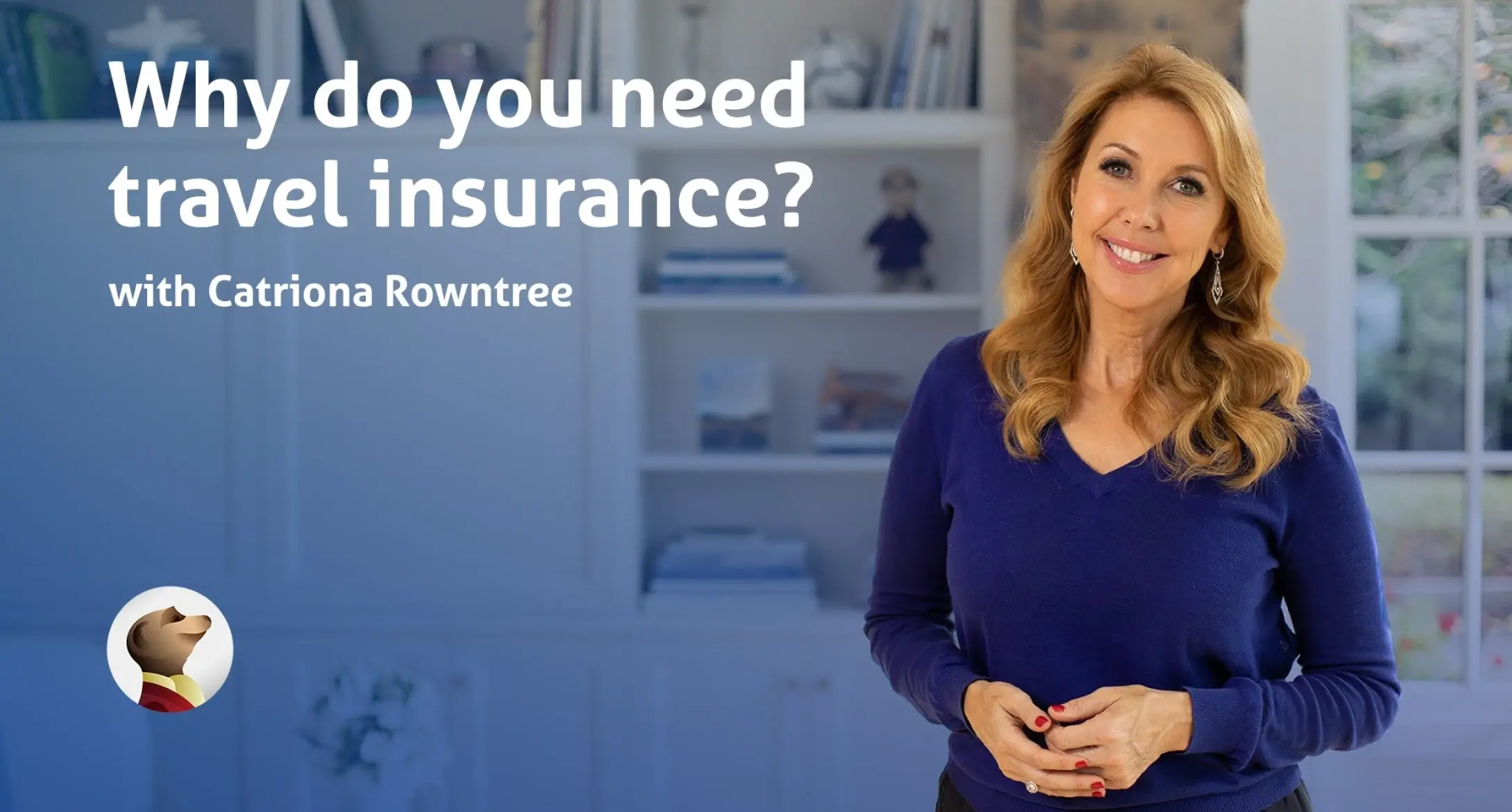

Transcript
Hello there. I’m Catriona Rowntree, host of Australia’s longest-running travel and lifestyle show, Getaway.
I have visited more destinations than I can count, so I know what a difference good travel insurance can make.
There’s no worse feeling than having your trip ruined by the unexpected costs that come along with plans going awry.
But that is where travel insurance comes in.
Travel insurance is designed to financially protect you from those unexpected events like illness or injury, while overseas lost or stolen baggage and personal effects
like your laptop, cameras or phones, last-minute cancellations and natural disasters.
So with all the big changes COVID-19 has brought to the way we travel, it pays to be organised before you take off.
Arming yourself with a travel insurance policy that covers your needs.
So when it comes to picking a policy, these are my top tips:
Make sure you purchase your travel insurance with cancellation cover the minute that you make a booking.
So if your trip is cancelled due to unforeseen circumstances, you will be able to claim back any cancellation fees.
Want to lower your premium? Well, consider a higher excess in exchange.
If you travel more than once throughout the year, you may find greater value in purchasing annual cover.
That’s travel insurance for a full year of trips up to a maximum amount of travel days per trip.
Be sure to check the product disclosure statement, the PDS, as you may need to be a certain distance from your home before cover comes into effect.
Consider your travel insurance must-haves and find a policy that meets your needs.
Do you need a cover for medical expenses, cancellation fees, luggage losses, rental vehicle excesses? Maybe additional coverage for cruises or ski holidays?
Oh, and if you have pre-existing medical conditions, make sure you are comparing products that allow you to declare these conditions as part of your application.
The insurer will then decide whether to cover these conditions or not.
So navigating what travel insurance is right for you doesn’t have to be difficult, and you have come to the right place.
Compare the Market can help you compare travel insurance policies online in minutes.
So you can travel with confidence.
Find out more about travel insurance
What is travel insurance?
Travel insurance is an insurance policy that helps provide financial protection against unexpected events before or during a trip, either within Australia or overseas. Depending on the policy, this can include cover for overseas medical emergencies, trip cancellations or delays and lost, stolen or damaged personal belongings.
The exact benefits, limits and exclusions of travel insurance depend on the policy type and insurer, which is why it’s important to check what is and isn’t covered before you buy.
So whether you’re planning a weekend away or a multi‑country adventure, travel insurance is designed to help give you peace of mind if something doesn’t go according to plan and allow you to focus on enjoying your trip instead.
How does travel insurance work?
Travel insurance provides a financial safety net in case unforeseen events impact your trip and create unexpected expenses – from severe weather to injury or theft.
If you do suffer a loss, you can submit a travel insurance claim and may receive a partial or complete reimbursement if your claim is accepted by your insurer.
The inclusions of your policy will vary depending on the travel insurance company and your level of cover.
Why should I get travel insurance?
Travel insurance helps protect you from the financial impact of unexpected events before or during a trip, such as medical emergencies, cancellations, theft or travel delays. Without travel insurance, these costs could quickly pile up and may need to be paid out of pocket.
Even well‑planned trips can take an unexpected turn, whether it’s a sudden illness, severe weather or an airline disruption. Travel insurance won’t prevent these, but it can help give you peace of mind knowing you’re financially shielded from the fallout.
Here are three reasons you should consider travel insurance every time you travel overseas and at home.
- To protect yourself (and loved ones) from huge expenses: If you travel to a country that doesn’t have a Reciprocal Health Care Agreement (RHCA) with Australia, you could owe thousands of dollars in medical bills if you get sick or injured.
- Compensation if you need to cancel: While it isn’t a feature in every travel insurance policy, you may be able to get cover for cancellations and lost deposits if you need to cancel all or parts of your trip.
- Reimbursements for theft: Unfortunately petty crimes and theft are common overseas, as tourists are often seen as soft targets. Lost luggage cover usually also includes stolen personal belongings, so you’ll be covered if you fall victim to theft.
Why compare travel insurance?
Comparing travel insurance helps you find a policy that matches your travel plans and budget. When you compare a range of policies, you can see differences in their inclusions such as medical level of cover, cancellation benefits, luggage cover and optional add‑ons.
Travel insurance products are not standardised, which means a cheaper policy may offer lower benefit limits or exclude events that matter to you. That’s why comparing options side-by-side makes it easier to identify which policy offers the balance of cover and cost.
Plus, with so many policies on the market, comparing travel insurance can help save you time and cut the risk of potentially overpaying for cover you don’t need or underinsuring yourself when it matters most. Using our comparison service can make it easier to review a range of options in one place before deciding which policy to pick.
Note that you won’t find out everything about a policy from a quote; all inclusions, exclusions, limits and sub-limits of your policy can be found in the Product Disclosure Statement (PDS). It’s also important to check your insurer’s Target Market Determination (TMD) to see if the policy is suitable for you.
Can you buy travel insurance online?
Yes! It’s easy and convenient to buy travel insurance online. By using our comparison tool, you’ll be able to see a range of quotes from different brands and their costs. Once you find a policy that suits your budget, you can click through to the provider to buy the policy. Simples!
What does overseas travel insurance cover?
Each travel insurance provider and each policy will have different inclusions, so it’s important to consider what you need. Depending on the policy coverage, there are some common inclusions which include (but aren’t limited to):
- Illness or injury while overseas
- Medical evacuation and repatriation
- Stolen, damaged or lost luggage, valuables and personal effects (e.g. travel documents or credit cards)
- Cancellation cover
- Travel delays and additional expenses
- Rental vehicle excess
- Personal liability if you’re legally responsible for damages to another person or their property
- 24/7 overseas emergency assistance.
Depending on where you’re travelling to and how much cover you need, you can choose from a range of policies offering basic right through to comprehensive cover, with add-on cover options such as adventure, snow or cruise cover.
Does travel insurance cover medical?
Depending on the type of policy you buy, your overseas travel insurance can help cover your medical expenses should you unfortunately experience a medical emergency.
Injuries or illnesses are some of the most important reasons to get travel insurance, as the cost of medical treatment overseas can be nasty.
Domestic policies won’t include medical cover, as you’ll still be covered by Medicare and your private health insurance (if you have this in place) while travelling around Australia. However, many travel insurance policies won’t include medical cover for cruises as standard, so it’s vital you add this option to your policy or get cruise-specific insurance before you embark.
What does travel insurance not cover?
 Just like with inclusions, different providers and policies will have certain exclusions – the things they won’t cover.
- Stolen or lost luggage where you are at fault, such as leaving your suitcase at a train station.
- Trip cancellations due to change of mind or being unprepared (e.g. forgetting to renew your passport).
- Pre-existing medical conditions. While some conditions will be automatically covered, not all are. If you have a pre-existing medical condition, you will need to disclose this to your provider upon taking out the policy. They will then advise you as to whether they will cover your condition.
- High-risk sports and activities. Even if you add adventure cover, some activities may still be excluded.
- Claims where alcohol and illicit substances were involved, or claims resulting from illegal activities.
- Ignoring government advice. If a destination with a ‘Do not travel’ warning is listed on the Australian Government’s website, Smartraveller, you won’t be covered if you go.
- A natural disaster if it is a declared event that was known or could be reasonably predicted before you took out a policy.
Types of travel insurance cover
There are different types of travel insurance to suit different travellers. Depending on your circumstances, you might want to know more about:
Groups
You could be eligible for discounts if you’re travelling in a group of up to 25 people, which may be cheaper and more convenient if you all require the same cover. On top of this, it can help save time by taking out a single group travel insurance policy as opposed to buying many individual policies.
Family
Family cover helps protect your loved ones under one policy (with higher limits), although most insurers cover dependents travelling with one or more adults at no additional cost. Check the policy’s PDS to find out what these limits are and to make sure all dependents are covered (the definition of a dependent may vary across insurers).
Couples
Travel insurance for couples is intended for two people seeking cover under one policy. Despite the name, two travelling companions who aren’t a couple may also purchase couples cover if they have the same itinerary.
Cruise cover
Cruise cover is usually offered as an optional extra with travel insurance policies that may cover you for a range of scenarios, including:
- Medical expenses for accidents or illnesses on board
- Cancellation costs (except if the cruise is cancelled by the operator)
- A benefit if you’re confined to your cabin due to illness.
Even if you are only cruising in domestic waters, you’ll still need an international policy and cruise cover as Medicare does not cover onboard expenses resulting from an insured event.
Ski cover
Winter sports cover provides additional cover if you’re skiing or snowboarding on your trip. Most travel insurance policies don’t automatically cover winter sports, so it’s important you select it as an add-on option to your policy (if available) before you hit the slopes.
Some top-line ski features can include (but aren’t limited to):
- Weather-related cancellations
- Ski hire equipment cover
- Emergency medical assistance.
Motorbike and scooter cover
If you plan on driving a two-wheeled vehicle (e.g. motorbike, scooter or moped), a regular policy may not cover your medical costs if you’re in an accident unless you add motorbike and scooter cover as an optional extra.
Adventure cover
While many adventurous activities will usually be covered by a comprehensive travel insurance policy, some will not. These are usually more high-risk activities with a greater likelihood of accident or injury. That’s why it’s important to make sure your policy covers all your planned activities, even if this means selecting an add-on.
Annual cover
Otherwise known as an annual multi-trip policy, annual travel insurance may offer more value than single-trip policies and can be more convenient for frequent travellers. All multi-trip plans impose a maximum duration for each trip – from 15 to 90 days. You’ll be required to return home before your trip duration lapses, otherwise any losses you incur will not be covered.
How much does international travel insurance cost?
Comprehensive travel insurance for a 30-year-old visiting Japan for 15 days on a single-trip policy would cost about $85-$253, whereas a 65-year-old on the same trip would be looking at $141-$305.*
That same 30-year-old visiting France for only 8 days would see costs around $80-230 and the same 65-year-old is sitting around $133-230.**
The cost of travel insurance varies significantly based on age, destination, trip duration and the coverage level you choose. This shows how different factors impact the cost of your travel insurance, so getting cheap travel insurance that matches your budget will depend on your individual circumstances.
Some of the factors that affect the cost of your travel insurance include:
- Your destination
- Your age and the age of other travellers
- The number of travellers on your policy
- Any pre-existing health conditions of all travellers
- The activities you include on your trip (e.g. snow sports, cruises or other adventurous activities)
- How long you’re travelling for
- The level of cover you’ve taken out.
On top of this, the cost of your travel insurance policy will depend on which insurer you go through. As each trip is unique, it’s important you compare a range of brands to make sure you’re getting the cover you need at a suitable price.
How much does domestic travel insurance cost?
Comprehensive travel insurance for a 30-year-old travelling Australia for 15 days on a single-trip policy would be looking at $74-109, and a 65-year-old would be $114-165.***
Domestic travel insurance generally costs less than international travel insurance, especially considering it excludes medical cover due to Medicare.
The same factors that affect the cost of international travel insurance can also impact domestic travel insurance too, except of course your destination as that will be Australia.
How can I find a cheap travel insurance policy?
To find a cheap travel insurance policy, you need to know what you’re looking for. The cheapest policies are usually basic, medical-only plans, but these may not be suitable for your trip or your personal circumstances. This is why you need to consider what coverage you need as well as what you can afford, as the cheapest option may not actually suit your itinerary or budget.
To compare a range of travel insurance policies and their prices, you can use Compare the Market’s online comparison service.
Travel advice for every stage of your trip
Before you travel
While impromptu trips may be fun, a well-planned adventure is often a good way to keep yourself and your belongings safe while overseas.
- As soon as you book your trip or make any deposits, you should also purchase travel insurance. Depending on the cover type purchased, this can help ensure you’re covered for cancellations before your trip begins.
- Stay aware of travel alerts and warnings from Smartraveller or your destination’s government leading up to your trip. These warnings can also impact your insurance coverage.
- Leave copies of your travel documents with someone at home in case they’re lost or stolen overseas.
While travelling
It’s time to enjoy your holiday! However, protecting what’s waiting for you back home is also important.
- Keep your car safe in a garage, at a family member’s house or in a reserved car park at the airport while you’re away and have your friends or neighbours keep an eye on your house.
- Keep the 24/7 emergency assistance phone number from your travel insurance provider close in case you suffer a loss or need assistance in an emergency.
- Keep receipts for any medical treatments, accommodation or tours so you can be reimbursed if something goes wrong and you need to make a claim.
After you travel
At the end of a holiday, it can be hard to get back into everyday life, but you can do a few things to ease yourself back into your regular routine:
- Unpack your suitcase right away so you’re aware of any losses immediately.
- If you need to claim on your insurance policy, do so without delay.
- Your holiday may be over but it’s time to start researching new destinations and planning your next trip abroad!
More information about travel insurance
When should I buy travel insurance?
You should consider buying travel insurance as soon as you book your trip or put down any deposits towards it. In doing so, you can help ensure you’ll be covered for any cancellations before you even leave.
Do I get a grace period for my travel insurance policy?
Whether or not you get a grace period will depend on the insurer you choose. Also known as a “cooling-off” period, it’s typically 21 days from purchase (although this varies). This allows you to cancel your policy within that time frame, provided you haven’t started your trip or made a claim.
What is travel insurance excess?
A travel insurance excess refers to the amount you’ll contribute if you suffer a loss and then claim on your policy. Most insurers offer a range of excesses to choose from when you buy insurance cover. When you make a claim, you’ll pay this amount or have it deducted from your settlement, and your insurer will pay out the rest of your costs up to your policy’s benefit limit.
Do I need travel insurance for trips within Australia?
Travel insurance can still be very worthwhile for domestic trips. While many people only think about travel insurance when going overseas, there are instances where you may want to be covered within Australia as well. This could include trip cancellations, travel delays, lost luggage, personal liability and more.
Generally, most domestic policies don’t cover medical expenses as Australians are covered by Medicare and private health insurance.
Does travel insurance cover car rental?
Not all travel insurance policies are the same, so some may offer car rental excess cover while others don’t. If you plan on renting a car while on your trip, it’s a good idea to shop around and find a plan that includes this cover in case an accident occurs that damages the car.
Can I buy travel insurance if I'm already overseas?
Yes, you can still buy travel insurance when you’re already overseas – but it’s recommended you tee-up your policy as soon as you book your trip. It’s important to note that not all providers will offer travel insurance policies when you’re overseas, and waiting periods plus additional conditions may apply.
How do I compare travel insurance quotes effectively?
To compare a range of plans, you can use Compare the Market’s travel insurance comparison tool. By entering your destination, age and trip length, plus the amount of cover you need for certain categories such as luggage or cancellations, you will receive quotes from numerous different brands to help find a policy that suits your budget.
How do I make a claim with my travel insurance?
The easiest way to file a travel insurance claim is to do so via your insurer’s website or app, though some will be happy to begin the claims process over the phone. It’s important to notify the insurer as soon as possible after an incident, and to gather any documentation they’ll require (police reports, medical certificates and/or receipts). You’ll then have to await the assessment of your claim, with many insurers saying they aim for a 10-day turnaround.
Meet our travel insurance expert, Adrian Taylor
As a General Insurance expert with over 13 years’ experience in financial services, Adrian Taylor believes in educating customers about the importance of travel insurance so that anyone can kick back and make the most of their time away from home. While no one wants a disrupted holiday, a suitable travel insurance policy can provide a financial safety net for yourself, your belongings and your trip in case things go wrong.
Want to know more about travel insurance for popular travel destinations?
*Prices from our website on 26/05/2026 for comprehensive cover with a $200 excess for one person aged 30 travelling to Japan 1 July – 15 July 2026. Minimum cover for trip cancellation $10,000, minimum cover for luggage $5,000 and no pre-existing medical conditions. Prices are indicative only.
*Prices from our website on 26/05/2026 for comprehensive cover with a $200 excess for one person aged 65 travelling to Japan 1 July – 15 July 2026. Minimum cover for trip cancellation $10,000, minimum cover for luggage $5,000 and no pre-existing medical conditions. Prices are indicative only.
**Prices from our website on 26/05/2026 for comprehensive cover with a $200 excess for one person aged 30 travelling to France 1 July – 8 July 2026. Minimum cover for trip cancellation $10,000, minimum cover for luggage $5,000 and no pre-existing medical conditions. Prices are indicative only.
**Prices from our website on 26/05/2026 for comprehensive cover with a $200 excess for one person aged 65 travelling to France 1 July – 8 July 2026. Minimum cover for trip cancellation $10,000, minimum cover for luggage $5,000 and no pre-existing medical conditions. Prices are indicative only.
*** Prices from our website on 26/05/2026 for comprehensive cover with a $200 excess for one person aged 30 travelling Australia 1 July – 15 July 2026. Minimum cover for trip cancellation $10,000, minimum cover for luggage $5,000 and no pre-existing medical conditions. Prices are indicative only.
*** Prices from our website on 26/05/2026 for comprehensive cover with a $200 excess for one person aged 65 travelling Australia 1 July – 15 July 2026. Minimum cover for trip cancellation $10,000, minimum cover for luggage $5,000 and no pre-existing medical conditions. Prices are indicative only.