

Travel insurance for Japan


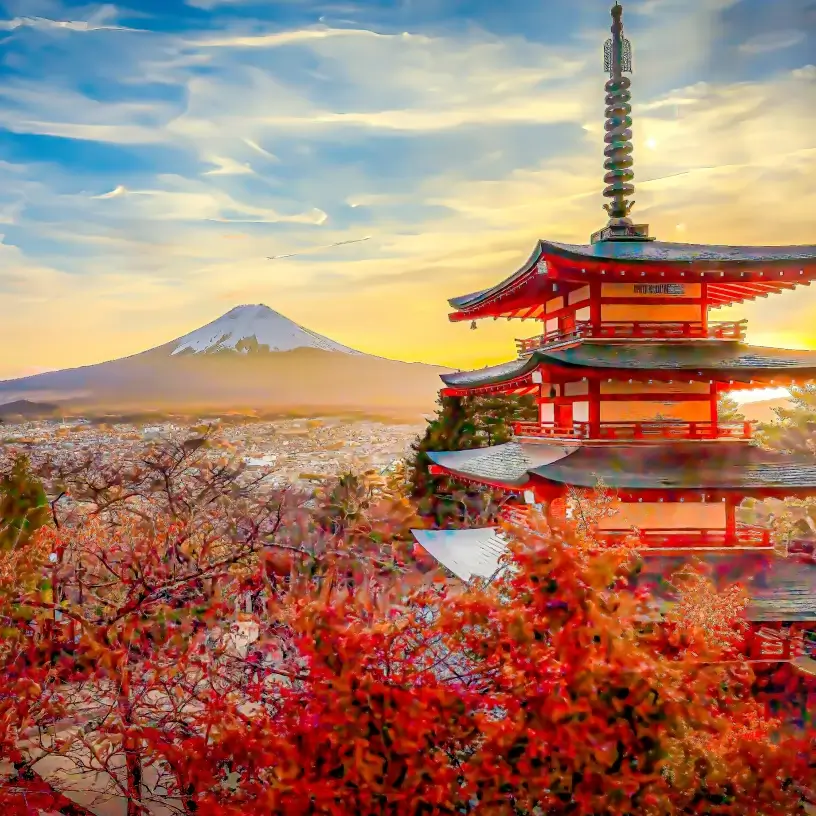

Travel insurance tips for Japan
Catriona Rowntree’s top travel insurance tips for Japan.

Catriona Rowntree
Travel


Video Transcript
Hello. I’m Catriona Rowntree, host of Australia’s longest-running travel and lifestyle show, Getaway.
And today, I wanted to talk to you about the country that’s on everyone’s bucket list Japan and the difference having
travel insurance can make on your trip. From the beautiful cherry blossoms to the exciting city of Tokyo, endless ski
fields and ancient traditions. There is a reason Japan is on everyone’s bucket list, but even though Japan is a safe travel destination,
travel insurance is still important to have. Medical expenses happen, but in Japan, they’re not cheap, which is why having travel insurance
is highly recommended. When it comes time to choose your policy, always remember to declare any pre-existing medical conditions
on your application. So your insurer can decide whether to cover you for them or not. Now, you may also require a higher level of coverage,
depending on the type of trip you’re taking, like rental vehicle access if you’re renting a car or ski cover, if you’re hitting the slopes
and on the point of excess as well, that is the out of pocket cost if you need to make a claim. You can reduce your travel insurance premium
if you consider a higher excess, just make sure it’s manageable. OK, now, once you pay your deposits for your trip, it is a really good idea to purchase travel insurance
with immediate cancellation cover. This means cancellation fees are covered if your holiday is called off due to unforeseen circumstances.
And finally, if you plan on going more than once in a year, you might find better value in purchasing an annual policy that covers you for multiple trips.
Just make sure you check the product disclosure statement, the PDS for the maximum travel days covered per trip. Navigating what travel insurance is right
for you doesn’t have to be difficult, and you have come to the right place. Compare the Market can help you compare travel insurance policies online in minutes.
So you can travel with confidence.
Expert tips for choosing travel insurance for Japan
Our Chief Executive of General Insurance, Adrian Taylor, has some top tips on helping you find a great travel insurance policy for your journey overseas.

Adrian Taylor
Chief Executive – General Insurance
Declare any pre-existing medical conditions
If you have any pre-existing medical conditions, compare products where you can disclose these conditions as part of your application to your chosen insurer. Not all pre-existing medical conditions can be covered, so it’s important you understand what cover is available to you in case you’re injured or become ill.
Consider what inclusions you want cover for
When choosing your policy, consider your circumstances to help ensure you have adequate cover. This may include cover for medical expenses, personal belongings, travel delays, cancellations and more. Depending on your destination, you may want to consider additional cover for cruises, winter sports or adventures.
Frequent travellers may benefit from annual cover
If you plan to travel a few times throughout the year, either to Japan or more than one destination, you may find greater value in purchasing annual cover, rather than multiple single trip policies. Also known as an annual multi-trip policy, this is a type of travel insurance that covers all your trips for a full year up to a maximum number of days per trip, as listed in your policy.
Why take out travel insurance for Japan?
Travel insurance for Japan is extremely helpful if you get sick, miss a flight or lose your luggage in transit. Although Japan is a gorgeous Asian holiday destination and typically a safe country (ranking 10th in the Global Peace Index 2026)2, misfortune can still strike you without warning.
- Purchase travel insurance as soon as you make a booking and pay any deposits to ensure you have the cancellation cover you need should an unforeseen event cause you to cancel your trip before you depart.
- Natural disasters have been known to impact Japan. If one occurs unexpectedly, you may be covered for cancellations, lost bookings and additional expenses for accommodation and transport.
- A travel insurance policy may offer a range of benefits in case of unforeseen events, including 24/7 emergency assistance if you need urgent help.
How much is travel insurance for Japan?
Standard travel insurance for an 18-yeald old visiting Japan for a week costs as little as $53.80 whereas a family of four on a two-week trip starts at $139.09, a Compare the Market quote comparison showed on July 28, 2026.1 The best way to find the policy for you, however, is to compare a range of quotes based on your specific travel plans, as premiums will vary among insurers and policies. Factors that impact the price include the policy you choose, the age of the travellers, your trip length, policy excess, the cost to cover pre-existing medical conditions and if you want any add-ons, such as cover for snow sports, cruising, motorcycle cover or adventure sports.
Do I need travel insurance for Japan?
Travel insurance for Japan is important to consider, no matter your travel plans. It’s impossible to predict what may happen when on holiday; whether it’s lost or stolen property, sustaining an injury or needing urgent medical care, travel insurance is there to help ease your worries.
Unfortunately, the Australian Government can’t help you in every situation you may find yourself in overseas, so it’s essential to think about having more than one option for help should something happen.
What does travel insurance for Japan cover?
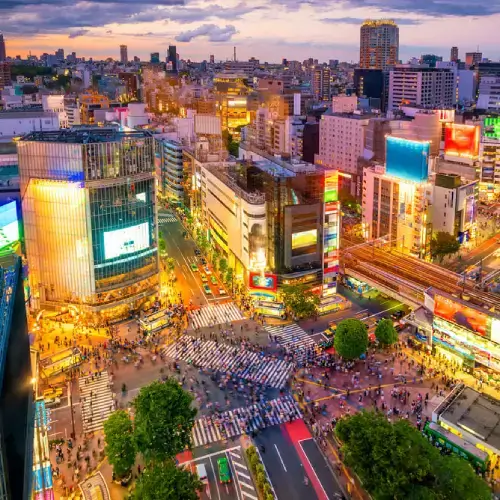
Any travel insurance policy for a trip to Japan from Australia should cover – at a minimum – medical emergencies in case you get injured or become ill overseas. In addition to medical cover, other options for consideration include:
- travel delays
- cancellations
- theft, pickpocketing or lost luggage and personal effects
- personal liability
- emergency repatriation and medical evacuation.
Additionally, if you’d prefer to drive around rather than fly or take the train, consider an international travel insurance policy that either covers your rental vehicle excess, or offers this coverage as an optional extra.
No matter what you are planning on your trip, the exact coverage available will depend on your insurer and your policy as each will offer different coverage limits. There are multiple levels of cover available, from basic to comprehensive travel insurance, to suit different travellers’ needs. Before journeying to Japan, be sure to read the PDS prior to buying travel insurance cover to ensure you understand the limits, sub-limits and exclusions of your policy.
What does travel insurance for Japan exclude?
Travel insurance for Japan will exclude illegal activities, incidents that occur while intoxicated and travelling against government warnings. Exclusions will vary between insurers, so it’s important to read your Product Disclosure Statement (PDS) to understand what your policy includes and excludes.
Common exclusions include:
- Illegal activities. If your claim results from an incident where you knowingly did something reckless, high-risk or unlawful, you may not be covered and your insurer will likely reject your claim.
- Intoxication. If you were drunk or under the influence of drugs at the time of the incident you’re claiming for, your policy will likely not cover you and any claims will likely be rejected.
- Travelling against government warnings. Your travel insurance for Japan may not cover you if you enter a region with an active ‘Do Not Travel’ travel alert issued by Smartraveller.
How do I choose a travel insurance plan for Japan?
When searching for a travel insurance policy, you’ll need to consider your personal circumstances and the type of trip you are planning. It’s important to remember that no two trips are the same, so the best travel insurance policy for you may differ from the best policy for someone else.
We’ve compiled a few pointers to help you decide on a policy that matches your itinerary and budget:
- If you plan to visit Japan’s ski resorts, you may need to purchase additional winter sports cover if your policy doesn’t automatically cover you.
- If you plan on participating in other activities, such as hiking or canyoning, check your plans against the covered activities listed in the PDS of your policy. Some adventure activities can be covered for an extra premium.
- If you’re taking a family holiday, you may find more value taking out family travel insurance, rather than multiple individual policies.
Stay covered for travel adventures in Japan
Does travel insurance cover skiing and snowboarding in Japan?
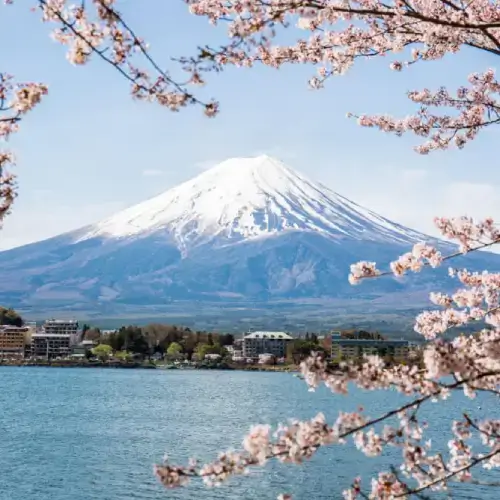
No, skiing, snowboarding, snowmobiling and other winter sports are usually not included in a travel insurance policy unless you purchase add-on cover. As snow sports are some of Japan’s most popular activities for locals and tourists, many may be looking for policies that offer coverage. Luckily, most insurers do offer winter sports cover as an optional extra. The extra you pay in travel insurance premiums could be offset by the peace of mind of knowing your hospital bills and other medical costs are covered if you have an accident on-piste, as well as things such as lost passes and cancellations of tours.
Does travel insurance for Japan cover hiking and mountain climbing?
Japan is home to several gorgeous hiking trails that are a great way to view shrines, temples and the Japanese countryside, so it may be something you’re considering doing on your Asian holiday. For example, Mount Takao is a highly recommended hike if you like cherry blossoms, as they bloom across the entire area in spring.
Be sure to check whether your travel insurance policy automatically covers hiking (and to what heights) or if you need to purchase an adventure add-on for coverage.
Does travel insurance cover street karting in Tokyo?
Travel insurance won’t cover street karting under rental vehicle excess cover; instead, you’ll need to purchase an adventure add-on that includes this cover. Although street go-karting has been made as safe as possible with new road rules, you’re still driving through congested Tokyo streets in an open, low-riding vehicle. Be sure to check with your insurer and street karting company whether you’d be covered by your travel insurance if there’s an accident. But before you don your cosplay outfit and take a spin through the streets of Akihabara, you’ll need to show your international driving permit and passport, and be aged at least 18 years.
What are some risks travelling in Japan and are they covered by travel insurance?
Risks while travelling in Japan include natural disasters (such as earthquakes, typhoons and tsunamis), radioactivity in Fukushima near the nuclear plant, theft and crime (although low), and the usual sickness and injury that any traveller faces. Your coverage for these travel risks will depend on your policy so be sure to read the Product Disclosure Statement.
Natural disasters in Japan
Earthquakes, typhoons, tsunamis, landslides and volcanic eruptions are all possible in Japan. Case in point, a magnitude-7.1 quake hit Japan’s southernmost island, Kyushu, on Tuesday, July 28, 2026, causing loss of life and property damage.
Fortunately, the quake failed to trigger one of the destructive tsunamis that Japan is especially prone to. In fact, whereas beachgoers in Australia might see signs warning of rip or stinger dangers, at Japan’s beaches they caution visitors to watch out for tsunamis.
While you can’t do anything about natural disasters, you can control how you respond to them. For one, make sure you’re aware of the extent that natural disasters are covered by your travel insurance policy.
If you purchase travel insurance for Japan before any natural disaster becomes a known event, depending on your policy, your insurer could cover certain expenses, such as any cancellation fees incurred prior to departure. Keep in mind that avalanches and volcanic eruptions may not be included under regular natural disaster cover; they may cost an additional premium and there may be other exceptions too.
As a general rule, don’t venture into any regions with active travel warnings. The Department of Foreign Affairs and Trade (DFAT) will issue such warnings on the Smartraveller website.
Japanese areas affected by nuclear radioactivity
The Australian Government advises Australians to reconsider their need to travel to the restricted areas near the Fukushima Daiichi nuclear power plant that leaked lethal radiation in a 2011 earthquake.3 Smartraveller advised as of July 2, 2026 that, “Radiation levels in most parts of Japan, including Tokyo, are within the normal range”. It reported, “Restricted zones exist around the Fukushima Daiichi nuclear power plant”.
Theft and crime in Japan
Japan has an exceptionally low crime rate, but that doesn’t mean you shouldn’t take precautions. Keep a close eye on your valuables and personal effects in public places or else claims for their loss or theft may not be covered.
Sickness and injury while visiting Japan
Japan has a universal healthcare system that keeps costs affordable for citizens and residents but visitors are not included, which can make hospital treatment and healthcare quite expensive for uninsured tourists. So travellers who don’t want to risk a hefty medical bill might do well to consider travel insurance for Japan, so your insurance provider may help meet the cost of your overseas medical expenses on your behalf.
Furthermore, Japan has reported a few endemic diseases, including Japanese encephalitis, measles and rubella, so it’s a good idea to consult your GP well in advanced of your planned departure to discuss any vaccinations you may require.
Emergency services in Japan are available by calling 119 for ambulance and fire and 110 for police.
Meet our travel insurance expert, Adrian Taylor
As a General Insurance expert with over 13 years’ experience in financial services, Adrian Taylor believes in educating customers about the importance of travel insurance so that anyone can kick back and make the most of their time away from home. While no one wants a disrupted holiday, a suitable travel insurance policy can provide a financial safety net for yourself, your belongings and your trip in case things go wrong.
Want to know more about travel insurance?
1 Compare the Market website. Comparison service for standard travel insurance, $200 excess. Both quote requests based on a $10,000 limit for trip cancellation and a $5,000 cover for luggage, with a $0 cover for rental car excess and no pre-existing conditions. No extra cover was included for activities such as cruise cover or snow sports. The family comprised two 45-year-olds and two children aged 7 and 9 years. Accessed July 2026. Pricing is indicative only and subject to change based on individual circumstances and insurer underwriting criteria.
2 Institute for Economics & Peace. Global Peace Index 2026: Identifying and measuring the factors that drive peace. Published June 2026. Accessed June 2026.
3 Smartraveller, Department of Foreign Affairs and Trade. Japan. Last updated April 2026. Accessed June 2026.