

Guide to renewable energy options in Australia



Expert tips on renewable energy sources
Our Head of Energy, Meredith O’Brien, has some tips of how to power your home with renewable energy and be more energy-efficient.

Meredith O'Brien
Head of Energy
Compare green electricity plan options
If you’re wanting to switch to a more environmentally conscious electricity provider, check which retailers offer GreenPower or a carbon offset as part of their plans. Comparing energy plans can help you understand your options and search for a policy that meets your budget and is environmentally conscious.
Consider solar energy
Solar energy is a source of renewable energy that you can use to power your home. If you don’t currently have a rooftop solar system, you could potentially save on your electricity bills by installing a solar system to take advantage of the natural sunlight and generate electricity yourself instead of drawing from the grid.
Save even more with a solar battery
When getting solar, you might also want to consider a solar battery. While your rooftop solar panels are great at helping to power the home during daylight hours, a solar battery can also store solar energy and use it at times when the sun isn’t shining. This helps lower your electricity bills and reduce your environmental impact by using low-emission energy sources. With the introduction of two-way solar charging, you may be charged for exporting electricity to the grid during off-peak hours but be incentivised to export the solar energy stored by your battery instead of using it yourself.
Understanding renewable energy sources
What is renewable energy?
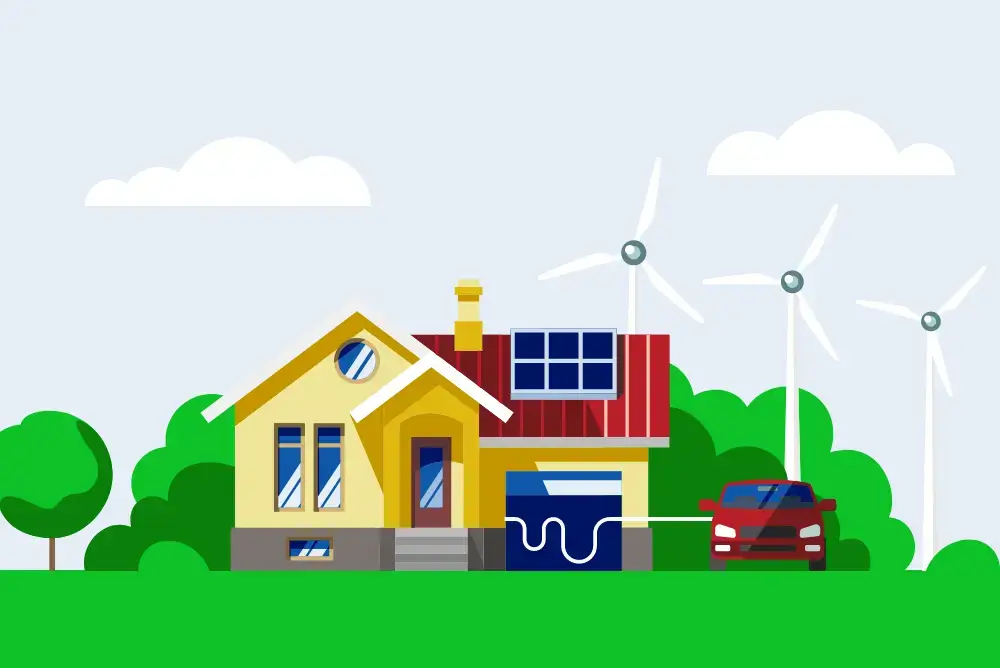
Renewable energy is a source of power created from natural sources that are constantly replenishing themselves and won’t run out. These renewable energy sources are better for the environment as they produce less harmful emissions, making them an attractive alternative to non-renewable resources and hydrocarbons such as oil and coal.
According to the Department of Climate Change, Energy, the Environment and Water, electricity generation accounted for just over one-third of all greenhouse gas emissions in Australia in 2025.1 As Australians become increasingly aware of the environmental impact of traditional energy sources, they are increasingly turning to renewable energy technology.2
What are the benefits of renewable energy?
There are numerous benefits of renewable energy for both the planet and consumers, such as lowering emissions and long-term energy costs. Plus, a lot of renewable energy systems, such as solar panels, require minimum maintenance after initial installation.
The most common renewable energy used in households and businesses is solar power, with its benefits including:
- Budgeting. When using solar systems, you can utilise your own energy consumption while generating it, meaning you can reduce your overall cost of living through minimising energy bills.
- Feed-in tariffs. If you have solar panels, you may be eligible for a solar feed-in tariff if your energy system meets certain criteria set out by your electricity retailer. This means you may receive a credit that’s then offset against your electricity bill depending on the location of your residence and your specific retailer. However, this may change with the introduction of two-way solar charging.
- Return on investment. After your initial investment, only a few costs are involved with running or maintaining a renewable energy system, such as maintenance of your solar panels. In general, solar panels with a battery storage system typically pay for themselves in seven to nine years.3
Depending on your circumstances, solar power may only cover a portion of your energy usage. However, the long-term savings may make it a worthy investment.
What is GreenPower?
GreenPower, an Australian Government initiative, is an accreditation scheme that simplifies the process of selecting an electricity retailer that invests in renewable energy.
Through this initiative, you can choose to have some or all your electricity usage matched with renewable energy fed into the grid, helping you reduce the emissions associated with your energy consumption.
GreenPower products available to you may vary between electricity retailers, states and territories. Depending on your retailer, it may be available without a charge or for an additional cost.
Some renewable energy resources that aren’t eligible under the GreenPower program include:
- coal seam gas
- biomass generated from native rainforests
- renewable energy from generators that were running before 1997
- hydro power where large-scale river diversions occurred during construction of the plant
- non-renewable sources such as natural gas, nuclear, oil and coal-fired energy generation.4
Types of renewable energy
Solar
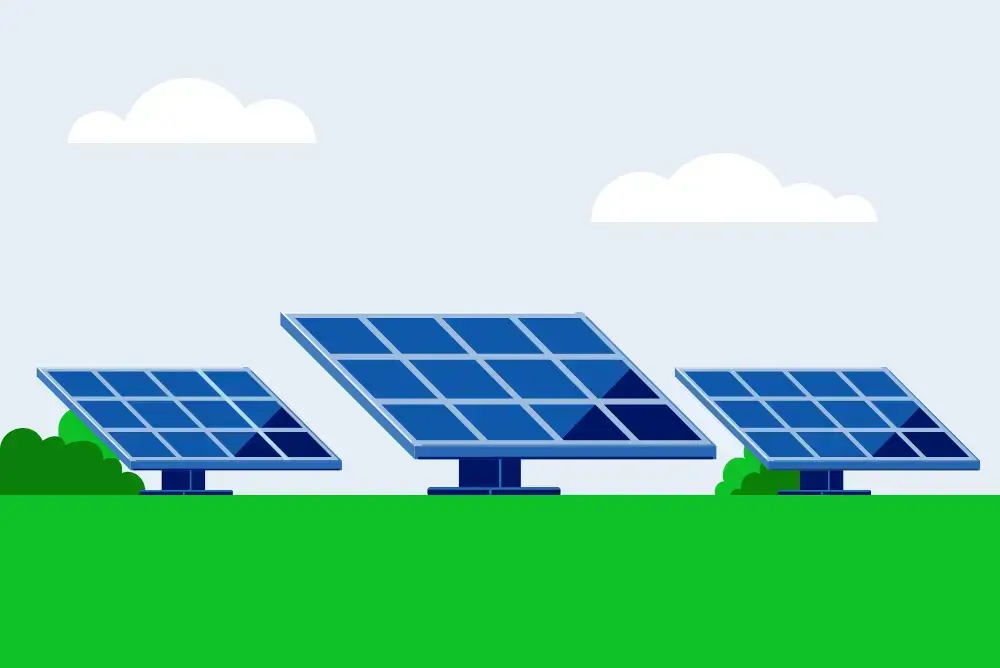
There are two main ways of harnessing green energy from the sun which can both be used by households and businesses:
- Solar thermal energy. This is produced from a rise in temperature and can be used directly to heat water in solar water heaters, helping reduce energy bills. On a larger scale, thermal energy can superheat water into steam, which can be used to drive turbines to produce electricity.
- Solar photovoltaic (PV) energy. PV systems generate electricity from sunlight for homes, businesses and the energy grid. This works by the cells creating an electric current through the photovoltaic effect. The main drawback of solar energy is that the sun must be shining for it to work. To keep your lights on during cloudy days and at night, energy must be stored in a solar battery or sourced from alternatives like the national electricity grid.
On the plus side, you could be eligible for a solar rebate to help cover the cost of installing a solar system. You might also be able to take advantage of solar feed-in tariffs, which is a bill credit your energy retailer pays you for surplus energy your solar panels generate that’s sent back to the grid.
Wind
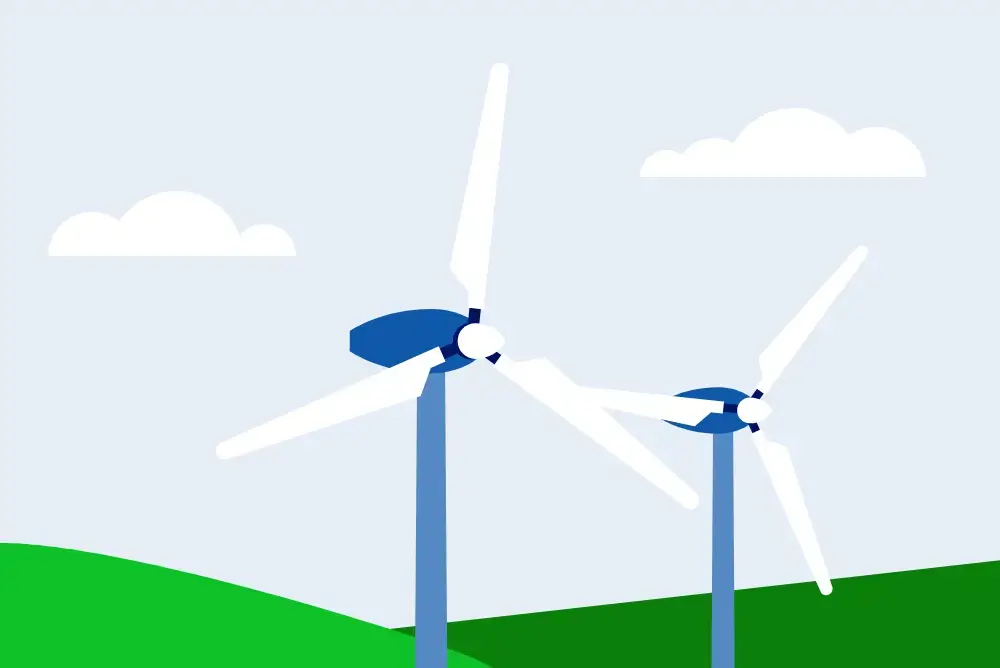 Wind energy has long been used as a source of mechanical power, but now wind turbines are mainly used to produce electricity. These turbines are found in wind farms (also known as wind power plants) that are placed over several kilometres of land. One advantage of wind energy is how offshore wind farms can take advantage of coastal wind and therefore don’t need to take up land, helping reduce deforestation.
Most wind generators are found in clusters where reliable winds mean they’re working most of the time. As with solar energy, wind power can be somewhat sporadic in supply. As such, storage and alternative energy options are essential to make them a more efficient source of green energy.5
Hydro

Water wheels, like windmills, are an old form of renewable electricity that are often used to run machinery directly. Meanwhile, modern hydropower uses the energy of moving water to turn turbines that produce electricity.
In Australia, hydroelectricity supplies around 5 to 7 per cent of the country’s electricity.6 The most famous Australian hydroelectricity scheme is the Snowy Mountains complex in New South Wales (NSW). Hydroelectricity is also widely used in Tasmania, where around 80% of the energy supply comes from power stations (also known as power plants) harnessing hydropower.7
Nationwide, the main drawback of electricity generation using hydropower is the large volumes of water required for continuous operation. Prolonged drought can reduce water supplies below critical levels, so in these and other circumstances, electricity generation may be stopped to preserve a supply for drinking water and other purposes.
Bioenergy
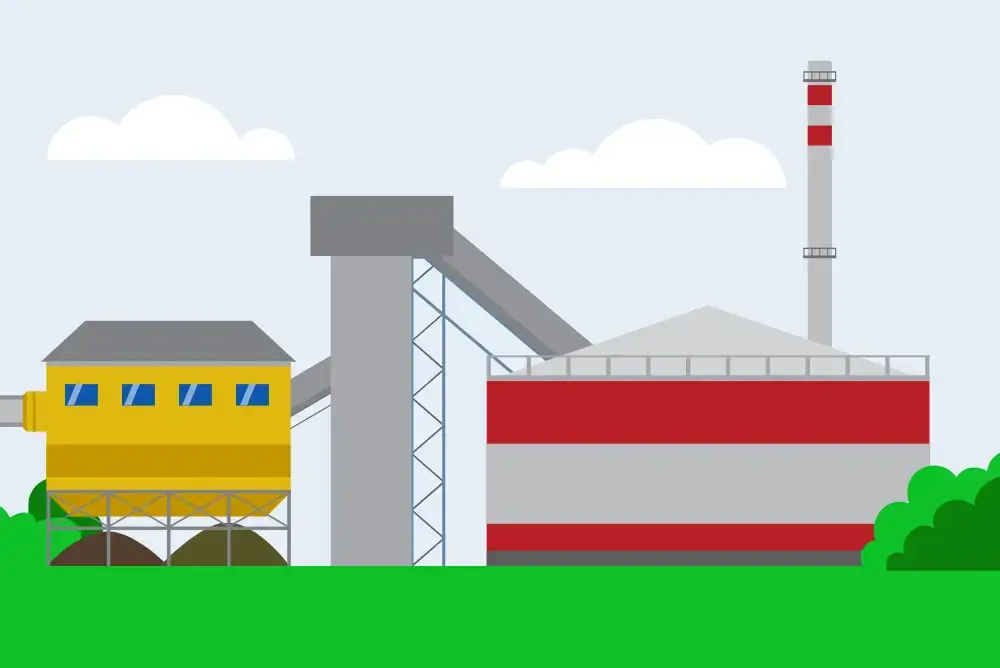
Biomass is another natural resource that comprises different agricultural by-products that are then burned or broken down into liquid fuel (also known as biofuel). This process can include burning solid fuels (such as wood) or extracting waste products from sewage (such as methane gas).
When biofuel is burned, it creates steam that powers turbines, creating bioenergy (the usable energy that is produced). Meanwhile, the methane captured from waste can be used as biogas for heating, cooking and power generation.
Although burning biomass releases carbon dioxide, it can reduce overall emissions when it replaces fossil fuels or prevents the release of methane, a potent greenhouse gas.
Geothermal
Unlike other renewable energy types, you have to delve beneath the earth’s surface to harness geothermal energy. This type of energy uses the geothermal heat created from magma, so areas close to active volcanoes tend to be the most suitable places for generating geothermal power.
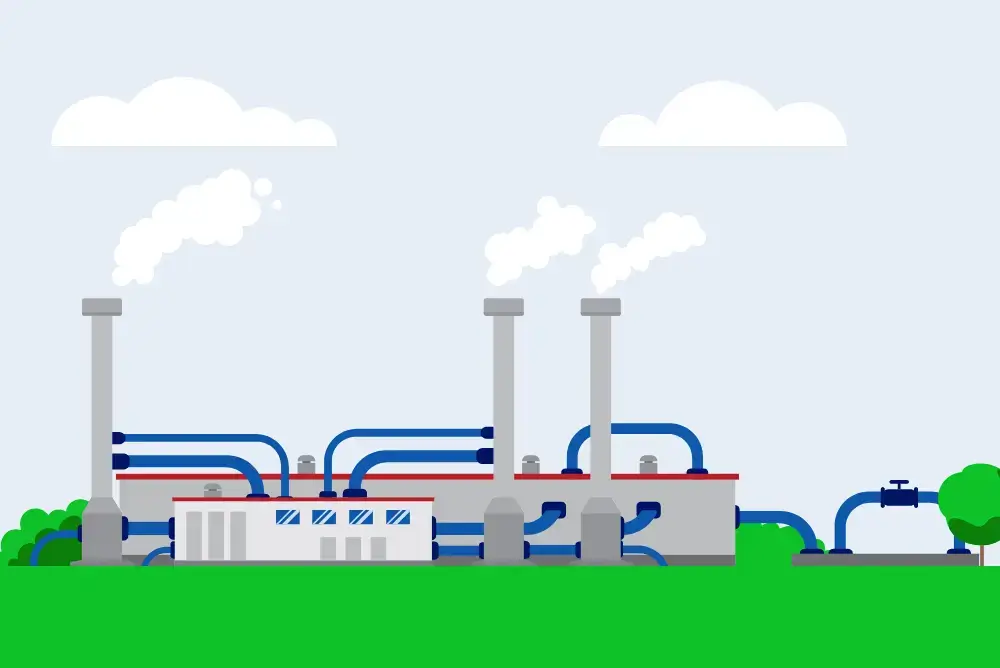 In some areas, water may be injected into the ground so it returns to the surface as steam that can be used to drive turbines and generate electricity. In other places, the water may already be present below the earth’s surface and just needs to be tapped.
While the Australian Renewable Energy Agency (ARENA) notes that Australia does have the potential to harvest geothermal energy, this renewable energy solution is not currently cost-effective.8 This is because:
- identifying viable sources of geothermal energy is challenging
- producing hot water at a high rate is difficult
- financing costly up-front expenses from harvesting and transmitting geothermal energy will be expensive.
More on renewable energy
What is the Renewable Energy Target (RET)?
The Renewable Energy Target (RET) is an Australian Government scheme that plays a central role in reducing greenhouse gas emissions by helping green electricity become a more accessible part of Australia’s energy industry as opposed to fossil fuels. The Clean Energy Regulator notes that the RET is broken down into two parts:9
- Large-scale target. This provides financial incentives for the development of renewable energy infrastructure by power-generating companies, including solar plants, wind farms and hydroelectric power stations.
- Small-scale target. This encourages individuals and small businesses to adopt small-scale renewable energy systems through financial incentives. For example, if you add solar panels to your home, you could be eligible to receive a small-scale technology certificate that energy retailers and other entities are required to purchase off you.
How much of Australia's energy is renewable?
In Australia, renewable energy sources contributed 40% of total electricity generation in 2024, an increase from 39.4% in 2023.10 Australia’s renewable energy production in 2024 came from:
- wind – 13.4%
- rooftop solar – 12.4%
- medium and large-scale solar – 7.2%
- hydro – 5.5%
- bioenergy – 1.5%
Why is renewable energy so important?
Renewable energy is important for many reasons, such as the environment and the economy. Benefits of switching to these sustainable energy choices include:
- helping to combat global warming and climate change
- assisting with the national goal to achieve net zero emissions by 205011
- adding diversity to the nation’s energy mix, making it less reliant on just one source of energy
- reducing land, water and air pollution to promote a healthy natural environment
- creating thousands of jobs in the energy sector, especially in regional Australia12
- the possibility to become a source of wealth through energy exports to other countries.
How can I access renewable energy?
In most cases, you can access renewable energy by simply getting in touch with your energy retailer to switch over to green energy options. It may not be available to all, but there are retailers throughout the states and territories in Australia that offer you electricity from renewable sources.
Some retailers offer as little as 10% of your electricity to come from renewables, while others offer up to 100% of your energy needs from renewable sources. It’s worth checking with electricity retailers before committing to a change and reading the fine print before signing up.
Meet our energy expert, Meredith O’Brien
As the Head of Energy at Compare the Market, Meredith O’Brien believes in educating Australian customers about the ever-changing gas and electricity market so they can adjust their energy usage habits and get the most out of their energy plans.
Meredith has seven years of experience within the energy industry, following 15 years in financial services. Meredith is a dedicated customer advocate who is passionate about empowering Australians to find the right products to suit their needs by removing the confusion from comparing.
Want to know more about energy?
1 Department of Climate Change, Energy, the Environment and Water – Australian Government. Quarterly Update of Australia’s National Greenhouse Gas Inventory: September 2025. Published September 2025. Accessed May 2026.
2 CSIRO. CSIRO survey reveals Australians’ attitudes toward the renewable energy transition. Published April 2024. Accessed May 2026.
3 Solar Victoria, Department of Environment, Water, Land and Planning, Australian Government. Section 1: Why install a solar electricity system at home? Solar Panel (PV) Buyers Guide. Last updated September 2025. Accessed May 2026.
4 GreenPower. Renewable Energy Accreditation. Accessed May 2026.
5 NPC Electric. Wind power and energy storage: Exploring their synergy in renewable energy systems. Published December 2025. Accessed May 2026.
6 Australian Renewable Energy Agency – Australian Government. Hydropower/Pumped Hydro Energy Storage. Updated September 2024. Accessed May 2026.
7 Australian Energy Market Commission. Tasmania. Accessed May 2026.
8 Australian Renewable Energy Agency – Australian Government. Looking forward: Barriers, risks and rewards of the Australian geothermal sector to 2020 and 2030. Published June 2014. Accessed May 2026.
9 Clean Energy Regulator – Australian Government. Renewable Energy Target. Updated January 2026. Accessed May 2026.
10 Clean Energy Council. Clean Energy Australia 2025. Published May 2025. Accessed May 2026.
11 Department of Climate Change, Energy, the Environment and Water – Australian Government. Net zero. Updated November 2025. Accessed May 2026.
12 Clean Energy Council. Renewable energy: powering jobs and regional communities. Published August 2025.