

Is pet insurance worth it?


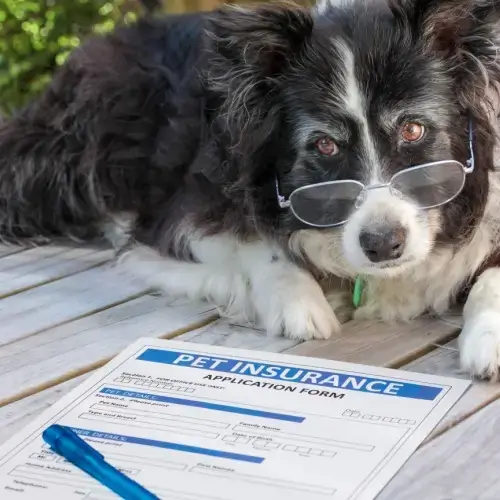


Is pet insurance worth it in Australia?
Yes, pet insurance is generally worth it for most Australians. Pet insurance reimbursement rates can range from 70% to 90%. It’s rare to find a pet insurance policy in Australia covering 100% of your pet’s medical bill. For many pet owners, pet insurance offers invaluable peace of mind and the ability to provide the best care without worrying about costs.
It’s important to note that most pet insurance policies include annual limits and per-condition sub-limits, which cap your annual insurance claims. You must cover the remaining costs if your expenses exceed these limits. Reviewing these limits when choosing a policy ensures you have enough cover for potential emergencies.
For example, if your vet bill is $1,000 and your policy has a $100 excess and a 90% reimbursement rate, the insurer may reimburse $810 as follows:
$1,000 – $100 = $900 × 90% = $810.
Alternatively, the insurer may apply the benefit percentage before deducting the policy excess, resulting in a different reimbursement amount.
Some insurers, when possible, may facilitate payment of the eligible claim benefit under the policy to the vet clinic directly. In this circumstance, the remaining costs will be payable from you to the vet clinic. Alternatively, you may be required to make the up-front payment in full and be reimbursed later.
Always read the Product Disclosure Statement (PDS) and Target Market Determination (TMD) to determine what the product covers and whether it suits your pet.
Why is pet insurance important?
Pet insurance can help to protect your pet’s health and your financial well-being. Here are some key reasons why it’s an essential consideration for pet owners:
Unpredictable costs
Pets can face sudden health issues or accidents. Whether it’s a swallowed foreign object, a broken bone or a severe illness, vet bills and treatment costs for unexpected emergencies can climb into the thousands. Pet insurance can help you afford the necessary care without hesitation. Many insurers offer customisable policies, allowing you to choose a cover that fits your pet’s breed, age and specific needs, and your financial situation.
Long-term conditions
Chronic conditions such as diabetes, arthritis, or allergies can require ongoing treatment and medication. Comprehensive pet insurance can help cover these long-term vet expenses, making managing your pet’s health easier.
Rising vet costs
Vet bills can be expensive, particularly for unexpected accidents or illnesses. Advancements in veterinary medicine have led to better treatment options, but they also come with higher costs. Pet insurance can alleviate the financial burden, allowing you to focus on your pet’s recovery rather than the cost of care.
Protecting your savings
Without insurance, you might need to dip into your savings or go into debt to cover a significant vet bill. Pet insurance can act as a financial buffer, allowing you to prioritise your pet’s care without compromising your financial security.
Peace of mind
One of the most important benefits of pet insurance is peace of mind. Knowing that you have a financial safety net means you can make decisions about your pet’s health based on what’s best for them rather than being limited by financial constraints. Pet owners may be more likely to pursue advanced or specialist treatments that might otherwise be unaffordable thanks to pet insurance.
Supporting responsible pet ownership
Having pet insurance reflects a proactive approach to caring for your furry friend. It can ensure you’re prepared for life’s uncertainties and help you provide the best possible care for your beloved companion.
By investing in pet insurance, you’re safeguarding your pet’s quality of life. This ensures your pet receives the care it needs when it needs it most.
What does pet insurance cover and not cover?
Understanding what pet insurance does and doesn’t cover is crucial when deciding if it’s worth it. When choosing pet insurance, it’s essential to read the fine print to understand the inclusions, exclusions, and any claim limits. Cover varies depending on the pet insurance companies and the specific policy, but here’s a general overview.
What does a pet insurance policy typically cover?
Accidents
- Injuries from incidents like car accidents, falls or bites
- Emergency treatments such as surgeries, X-rays and hospitalisation
Illnesses
- Coverage for common and serious illnesses, such as infections, cancer or gastrointestinal issues
- Medications, diagnostic tests and specialist consultations
Chronic conditions
- Long-term conditions like diabetes, arthritis or epilepsy (usually included in comprehensive or lifetime policies)
Hereditary and congenital conditions
- Certain policies cover dog breed-specific issues, such as hip dysplasia in larger dogs or heart conditions in some breeds
Emergency care
- After-hours vet visits or emergency surgeries are typically included under accident and illness policies
Routine Care cover
- Some policies allow you to add coverage for routine care, such as vaccinations, flea and tick treatments, dental check-ups and desexing.
What does pet insurance usually not cover?
Pre-existing conditions
Any health problems or health conditions your pet had before the policy started are generally excluded, so pet parents need to look at getting an insurance policy for their pet as early as possible to ensure they’re covered for the whole of their pet’s life.
Waiting periods
Issues that arise during the waiting period (the time between purchasing the policy and when coverage begins) are not covered.
Age limits
Pet ages are important to most pet insurance providers, and it is usually more challenging to get pet insurance for an older pet (usually over the age of 9). However, it is never too late, as there is still pet insurance for senior pets, although you may be restricted to basic policies.
Cosmetic or elective procedures
Procedures like ear cropping, tail docking or declawing are typically not covered.
Pregnancy and breeding
Costs related to pregnancy, breeding or whelping are generally excluded unless they’re specified in the policy.
Meet our pet insurance expert, Adrian Taylor
As a General Insurance expert with over 13 years’ experience in financial services, Adrian Taylor knows that dogs and cats get themselves into all sorts of mischief. One part of Adrian’s work is to help empower consumers to understand how pet insurance can help save them from exorbitant vet bills when their pet gets injured or falls ill.