

Pet insurance waiting periods




What is a pet insurance waiting period?

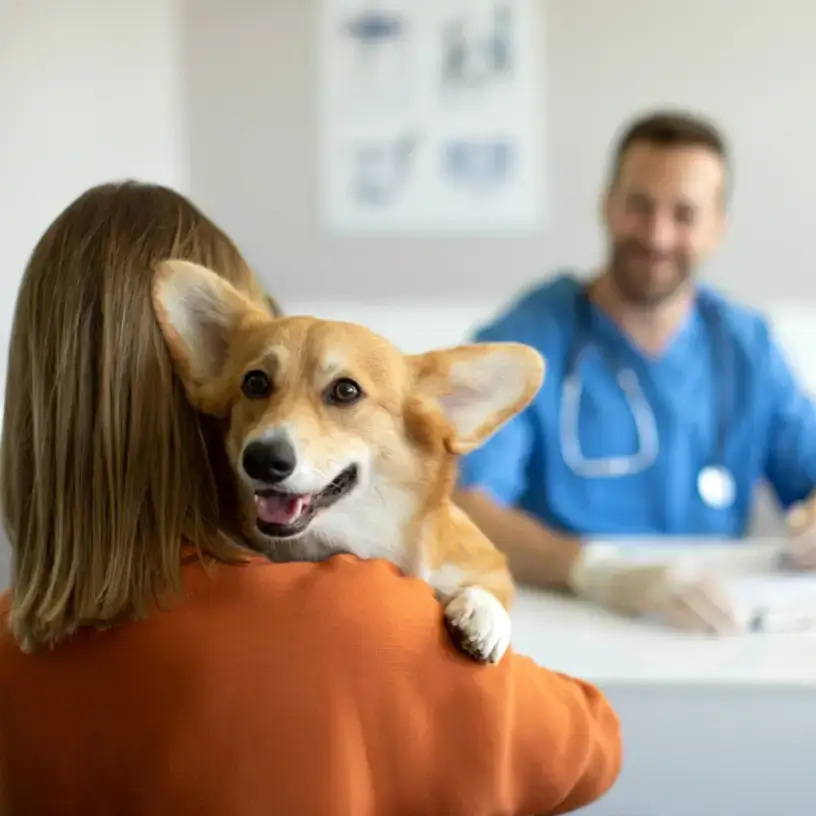
A pet insurance waiting period is the time you must wait after purchasing a pet insurance policy before you can make a claim. During the waiting period, issues are not covered, which prevents individuals from taking out insurance solely to cover pre-existing or imminent health issues.
While your pet may receive immediate cover for accidents, most illnesses and chronic conditions come with waiting periods. In Australia, this is usually 30 days for illnesses and up to six months for orthopaedic conditions.
Different insurance providers have varying waiting periods for new policies, depending on the type of condition, policy, or level of cover. Reviewing these details carefully when selecting a pet insurance plan is essential. By thoroughly researching policies and considering your pet’s needs, you can find a plan that helps offer peace of mind and financial protection for your beloved companion.
Pet insurance with no waiting period?
In Australia, most insurance policies include waiting periods, particularly for illnesses and non-urgent conditions. Some advertisers may advertise “immediate coverage”, which usually refers to accidental injury only and may involve either no waiting period at all or a short delay of around 0-2 days, depending on the policy. For example, some insurers will waive the waiting period for specific accidental injuries, while others apply a brief waiting period before claims can be made.
What is pet insurance immediate cover?
Immediate cover in pet insurance means your policy starts protecting your furry best friend right away, primarily for accidents only – not illnesses. Cover for diseases or chronic conditions usually requires a waiting period. Immediate cover may come with higher premiums, but it can be beneficial if your pet is prone to accidents. If you’re looking for a policy with faster coverage:
- Look for plans that specify ‘no waiting period’ for injuries.
- Confirm the effective start date of the policy – some may take from up to 24 hours up to a few business days to activate.
- Ensure you understand what is classified as an ‘accident’ by the insurer.
How to choose a great policy for you
To choose a great pet insurance policy, it’s wise to understand standard insurance timelines, consider getting covered early and learn what may be considered a pre-existing condition. Choose an insurance policy with waiting periods you can manage, research the exclusions and check if there are options to cut or waive wait times.
- Review waiting periods: Ensure the waiting periods align with your pet’s current health, life stage and potential risks.
- Understand policy limits: Check what is covered and excluded, including waiting periods for specific conditions.
- Ask about flexibility: Inquire whether certain waiting periods can be waived or shortened through vet assessments.
- Compare providers: Use comparison tools to evaluate policies from multiple insurers to find a great fit.
- Pre-existing conditions: Pets of certain breeds often have a higher likelihood of developing specific illnesses – it’s important to brush up on what these are.
Waiting periods for specific conditions and illnesses
Waiting periods for pet insurance policies will vary based on the type of condition, treatment, and the insurer. Some insurers allow you to reduce or waive the waiting period for orthopaedic conditions if your pet passes a vet health assessment within a specified timeframe after purchasing the policy. Waiting periods help insurers keep premiums fair for all and prevent people from signing up only when a problem appears.
It’s important to familiarise yourself with the type of condition your pet may develop, as the waiting time will change depending on the condition.
Accidental injuries
In pet insurance, an accidental injury is a one-off, sudden or unexpected harm that typically has a short waiting period and is covered much sooner than illnesses. Emergency boarding may also be subject to no waiting period.
Typical waiting period: Accidents are unpredictable, and insurers often provide almost immediate coverage to ensure pet owners can seek emergency care without delay.
What’s covered:
- broken bones or fractures
- cuts or wounds requiring stitches
- swallowing foreign objects
- poisoning or toxic exposure (e.g. snake bites, chocolate, toxic food to cats or dog or household chemicals).
Illness cover
Insurers define an illness as a condition that develops over time and typically when claiming for this, it can have a waiting period of up to 30 days. In some circumstances, chronic diseases may be classed as an illness, depending on when they are diagnosed.
Typical waiting period: 14-30 days.
What’s covered:
- respiratory infections (e.g. kennel cough)
- skin conditions such as allergies or dermatitis
- digestive issues such as vomiting or diarrhoea caused by illness
- ear infections.
Chronic, hereditary and orthopaedic conditions
These are higher risk, ongoing health issues that insurers will treat differently due to their complexity and cost. These conditions are often long-term and genetic and as such will have an extended waiting period and much stricter coverage rules as a result. Insurers treat these differently than a regular illness as they may require lifelong treatment, generating ongoing claims rather than a one-off event.
Typical waiting period: Six months.
What’s covered:
- intervertebral disc disease
- hip dysplasia
- elbow dysplasia
- diabetes
- heart disease
- thyroid or hormonal imbalances
- cruciate ligament conditions
- luxating patella (dislocated kneecap)
- arthritis or degenerative joint issues.
Routine dental care (optional add-ons)
Regular and preventative maintenance for your pet’s teeth, think things such as check-ups, cleaning and scaling. Many pet insurance policies will not cover any dental work under standard policies, and it will be only included if it’s an optional add-on. Some comprehensive policies may offer dental care, although this is a rare exception rather than a given inclusion.
Typical waiting period: 0-14 days.
What’s covered:
- routine teeth cleanings
- treatment for dental infections or abscesses.
Preventative and routine care (optional add-ons)
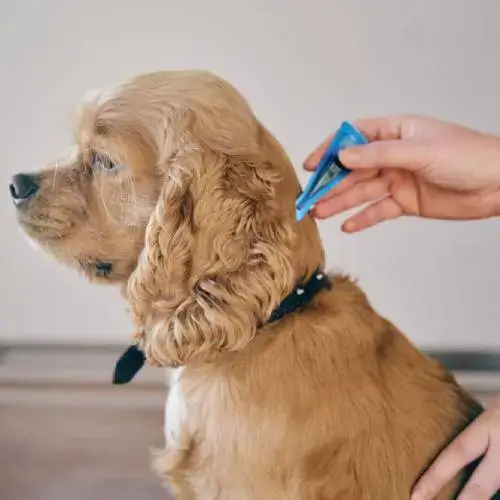
Insurers define preventative and routine care as planned wellness and non-urgent healthcare for your pet, which is often not included in standard policies. They can be added as an optional extra to your pet insurance policy for things such as parasite control, check-ups and grooming.
Typical waiting period: 0-14 days.
What’s covered:
- vaccinations
- desexing
- flea, tick, and worm treatments
- microchipping
- annual health check-ups.
Pre-existing conditions (limited exceptions)
Pre-existing conditions are any illness, injury or symptom your pet developed or showed signs of before the policy started or during the waiting period, which will not be covered when the plan commences. Often, these types of diseases will be excluded permanently from cover but may be reconsidered if it is cured.
Typical waiting period: Insurers exclude pre-existing conditions. However, some pets may be eligible for limited coverage if the issue has been fully resolved and has not resurfaced for a significant period (e.g. 12-18 months for resolved conditions).
What’s covered (if exceptions apply):
- a skin infection that was treated and remained symptom-free
- an ear infection that hasn’t recurred after treatment.
More about pet insurance waiting periods
Should I wait to insure my pet?
Delaying insurance for your pet can increase the risk that certain conditions become pre-existing and thus, excluded. As pre-existing conditions aren’t covered by pet insurers, taking out early cover for your pet can ensure you have the maximum amount of protection possible. The longer you wait, the more premiums may rise, as older pets are more likely to develop chronic or hereditary issues.
Delaying insurance for your pet can lead to several risks:
- Emerging health issues. Even healthy animals can develop illnesses or injuries unexpectedly. If a condition arises before you buy insurance, it will likely be classified as pre-existing and excluded from cover based on your policy terms.
- Age-related limitations. Many pet insurance plans have an age cap of nine years old. Therefore, older pets may not meet the eligibility criteria for insurance coverage or will need senior pet insurance, which may have higher premiums and stricter exclusions. Insuring your pet while they’re young ensures your pet gets the best pet insurance cover, no matter your pet’s age.
- Avoiding extended waiting periods. Many policies have long waiting periods for chronic or hereditary conditions. Starting early ensures your pet is covered when they need care. Even if your pet is healthy, securing insurance early helps provide peace of mind and financial protection against unexpected events.
Can I make any claims during the waiting period?
No, you can’t make claims during the waiting period as cover has not started. Most claims for illnesses or conditions during the waiting period will be denied outright. However, immediate cover may apply for accidents, depending on your policy.
What happens if my pet develops symptoms during the waiting period?
If symptoms begin during the waiting period, the condition will likely be classified as pre-existing and excluded from coverage (both during and after the waiting period), even if you wait until the period ends to seek treatment.
Some insurers may reconsider if the issue is resolved and symptom-free for a certain time period, though.
Can I get pet insurance for pre-existing conditions?
No, pet insurance products will usually exclude pre-existing conditions from coverage. A pre-existing condition is any illness, injury, or symptom your pet showed signs of before your policy starts. This includes if it developed during the waiting period. Some exceptions may include:
- Resolved conditions: Some insurers may cover pre-existing conditions that have been fully treated and symptom-free for a specified period (e.g. 12-18 months).
- Flexible insurers: Certain providers offer case-by-case evaluations for pre-existing conditions.
- Preventative care: While the underlying condition may not be covered, associated preventative treatments might be.
Always disclose your pet’s complete medical history when applying for pet insurance to avoid claim rejections later.
Will switching insurers reset my waiting periods?
Yes, switching to a new insurer will reset waiting periods, even if your pet was previously insured in most cases. This means your waiting period will start again with the new policy, as continuous coverage is not always recognised between different insurers. Always confirm this with the new provider, as some insurers may offer a no-gap switching policy or waive the waiting period entirely.
Meet our pet insurance expert, Adrian Taylor
As a General Insurance expert with over 13 years’ experience in financial services, Adrian Taylor knows that dogs and cats get themselves into all sorts of mischief. One part of Adrian’s work is to help empower consumers to understand how pet insurance can help save them from exorbitant vet bills when their pet gets injured or falls ill.