

Pet insurance that covers dental


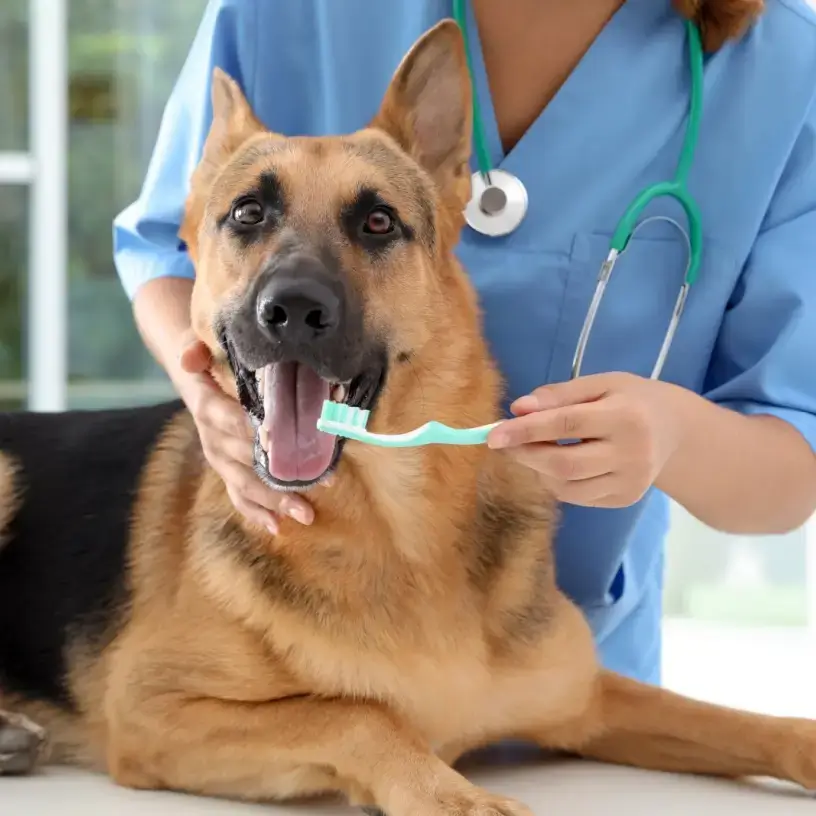


Does pet insurance cover dental care?
No, dental care in Australia is generally not included as standard in pet insurance policies, with cover for any sort of dental work (excluding accidental injury) usually requiring the policyholder to purchase an optional add-on. Some policies will cover dental treatment due to an injury (such as a broken tooth caused by trauma or missing teeth after an accident), while cover for issues such as gum disease, tooth decay or extractions will be limited to higher-tier policies or those that include optional extras. Treatments such as routine dental care, cleaning and dental check-ups will also be excluded unless you have a preventative care policy, which is often an add-on.
It’s important to always check your product disclosure statement (PDS) for dental exclusions, waiting periods and benefit limits, as these will vary significantly between insurers and policies. Pre-existing dental conditions (often defined as any dental disease or injury that existed before your cover started) are generally not covered by insurers.
It’s important to know that some insurers will require your pet to receive regular dental care (and have a history of check-ups) to remain eligible for claims.
Is dental cover a standard inclusion in pet insurance?

No, dental cover is not usually a standard inclusion in Australia and is often an optional add-on to most comprehensive insurance plans. More budget policies may cover dental injuries caused by an accident such as a broken or fractured tooth, but things such as dental diseases, illnesses, routine dental care and check-up appointments are often only available on higher-tier plans.
Dental benefits may also be offered through routine care or preventative care add-ons, rather than an explicitly stated ‘dental’ plan. If you’re comparing pet insurance with dental cover, review each policy carefully, as some insurers only cover accidental dental injuries, while others may provide cover for eligible dental diseases.
It’s important to note that there may be waiting periods before you can claim dental treatments, typically from 6 months to two years where applicable. Policies may also have exclusions, benefit limits, and excess payments, so you should always check your benefit limits to ensure your policy covers the treatments your pet may need.
What common issues can be covered by pet dental insurance?
Common pet dental insurance claims include accidental dental injuries, diseases and related treatment, but exact cover will depend on your policy. If you’re looking for pet insurance that covers dental treatment, treatment may be covered by a comprehensive pet insurance plan that includes dental illness cover as an add-on.
Cover varies by policy, but some common dental issues that could be covered include:
- Gingivitis: A gum disease that causes irritation, swelling, and redness around the base of the teeth. Treatment may involve complex dental procedures involving imaging, scaling and polishing as well as extractions, which can cost more than $1,500.1
- Abscesses: Infections or pus-filled pockets in the mouth or around the roots of the teeth, often caused by infection or injury.
- Tooth extraction: The medically necessary removal of your pet’s tooth/teeth due to dental disease, infections, cavities, fractures or retained baby teeth.
- Jaw fractures and associated repairs: Cover for injuries to the jawbone and necessary surgical repairs after trauma.
- Fractured teeth repair: Treatment for tooth fractures or broken teeth due to accidents or dental issues may require dental crowns or other repair methods. A pet may need a root canal after getting a fractured tooth, which could cost up to $2,600 for cats and $2,800 for dogs.1
- Periodontal disease: A severe gum infection caused by plaque buildup that can damage the gums and teeth.
- Tooth resorption: The breakdown and absorption of teeth, particularly common in cats.
- Dental trauma: Injuries to the teeth or mouth caused by accidents or trauma.
Many insurance companies have exclusions regarding dental care, such as restricting or denying cover for pre-existing conditions, cosmetic procedures, orthodontics, and non-medically necessary treatments. However, these exclusions can be addressed by purchasing routine care as an add-on, which may cover services like teeth cleaning and other specified dental conditions. These add-ons will not, however, remove exclusions relating to pre-existing conditions or any excluded dental treatments.
Always review your policy’s details to confirm which dental treatments are included and whether additional cover is available.
Is routine dental care included in pet insurance policies?
No, routine dental care such as regular cleanings and check-ups is generally excluded in standard pet insurance policies. Some pet insurance providers may offer optional extras or preventive care add-ons that could cover routine dental treatments, but these are generally not included in standard policies.
Some insurers may offer optional routine care benefits or dental add-ons that provide limited cover for certain preventative veterinary expenses. It’s important to know that exact coverage will vary between insurers and policies. Make sure you check the PDS for more details.
What are common exclusions and limitations in pet dental insurance?
Common exclusions and limitations in pet insurance include pre-existing dental conditions, routine dental care, waiting periods and age limits, while cover for dental illnesses and treatments may be subject to waiting periods and policy-specific conditions.
Pre-existing conditions
Most pet insurance products will not cover any health problems or dental issues that existed before the start of your policy. This is relevant for pets with periodontal disease, tooth damage, or other dental concerns before getting insured. This is a major reason veterinarians will often recommend insuring your pet early, before dental issues develop.
Waiting periods
Many pet insurance policies impose a waiting period before certain types of care are covered. This applies to dental treatments as well. For example, if your pet’s dental care needs arise shortly after enrolling in a policy, the insurance provider might not cover the cost until the waiting period has passed.
Cosmetic procedures
Cosmetic surgery to alter the natural appearance of animals, such as tail docking and ear cropping, is not covered in any pet insurance policy and is also illegal in Australia.2 If pet dental care, such as teeth whitening, is deemed cosmetic or unnecessary for health, it will be excluded from cover.
Age limits
Some policies may have age limits for dental cover. Older pets might face higher premiums or exclusions for dental care due to the increased likelihood of pre-existing conditions or age-related dental issues. Waiting periods may also vary depending on your pet’s age. It may be best to take out dental cover early, as some policies will have a shorter waiting period for pets under one year old, while if they are older, it can be 6 months or longer.
Routine dental care
Some pet insurance providers will not cover dental health checks or routine care appointments, meaning you may have to pay out-of-pocket. For example, some insurers will not cover things such as descale or polish appointments, prophylaxis, X-rays to assess health status or tools for cleaning teeth (such as pet toothbrushes, pet toothpaste and specialised animal mouthwash).
How can I maintain my pet’s dental health?
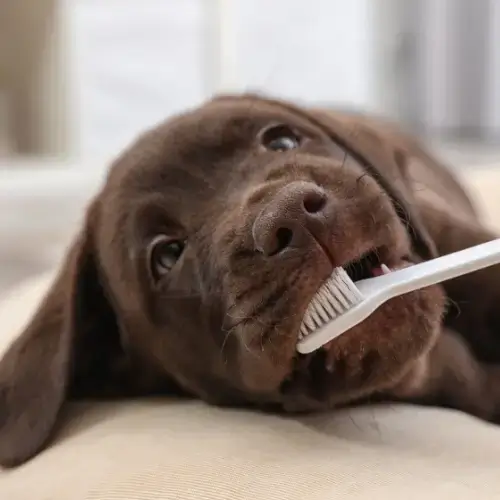
You can maintain your pet’s dental health by brushing their teeth regularly, including dental treats in their diet and scheduling regular dental check-ups for your furry friend. While pet insurance can help with the financial burden of dental treatment, maintaining your pet’s oral health is the best way to prevent costly dental issues in the first place. Here are a few tips to help you maintain your pet’s dental health:
- Brushing your pet’s teeth: Brushing your pet’s teeth regularly using a toothbrush and pet toothpaste can significantly reduce the buildup of plaque and tartar.
- Dental treats and toys: Providing your pet with dental chews or toys can help maintain oral hygiene and prevent dental disease.
- Regular vet check-ups: Regular dental check-ups with your veterinarian can help spot issues before they become serious, reducing the likelihood of expensive dental procedures in the future.
- Professional cleanings: Some pet insurance routine care add-ons may contribute to professional cleaning costs, subject to policy terms and limits.
How can I tell if my pet has dental issues?
Signs your pet may have dental issues include bad breath, changes in their appetite and mouth sensitivity. It’s not always easy to tell when your pet is experiencing dental problems since they can’t verbally communicate their discomfort. Here are several signs you can watch for to determine if your pet might be suffering from dental issues:
- Bad breath (halitosis): If your pet’s breath has a strong, foul odour that doesn’t go away, it may indicate the presence of plaque, tartar or gum disease. Bad breath is often one of the earliest signs of dental problems.
- Changes in eating habits: If your pet begins to avoid hard food, chew on one side of their mouth, or seems to have difficulty chewing or swallowing, it could be due to dental pain or tooth sensitivity.
- Excessive drooling: If your pet is drooling more than usual, especially if it is tinged with blood, it could be a sign of an infection or gum disease.
- Swollen or bleeding gums: Gum inflammation, swelling, redness, or bleeding around the teeth is often a clear sign of dental issues, such as gingivitis or periodontal disease.
- Visible tartar or plaque: If you notice yellow or brown buildup on your pet’s teeth, this could be tartar or plaque contributing to gum disease and tooth decay.
- Changes in behaviour: Pets with dental pain may become irritable, less active, or shy away from being touched near the mouth. They may also start pawing at their face or mouth.
- Loose or missing teeth: If your pet’s teeth appear loose or if you notice a missing tooth, it could be a sign of advanced periodontal disease or trauma to the mouth.
- Mouth sensitivity: If your pet flinches when their face or mouth is touched, it could indicate pain associated with dental issues such as an abscess, infected tooth, or severe gum disease.
If you notice any of these symptoms, it’s important to consult your veterinarian. Early detection of dental issues can reduce pain, prevent more severe conditions, and avoid costly treatments.
Regular dental check-ups are crucial for maintaining your pet’s oral health and catching potential problems before they worsen.
Meet our pet insurance expert, Adrian Taylor
As a General Insurance expert with over 13 years’ experience in financial services, Adrian Taylor knows that dogs and cats get themselves into all sorts of mischief. One part of Adrian’s work is to help empower consumers to understand how pet insurance can help save them from exorbitant vet bills when their pet gets injured or falls ill.
Want to know more about pet insurance?
1 Sydney Pet Dentistry. Pricing – Dental Scaling and Polishing. Accessed June 2026.
2 Australian Veterinary Association (AVA). Cosmetic surgery to alter the natural appearance of animals. Accessed June 2026.