

Dental cleaning for cats


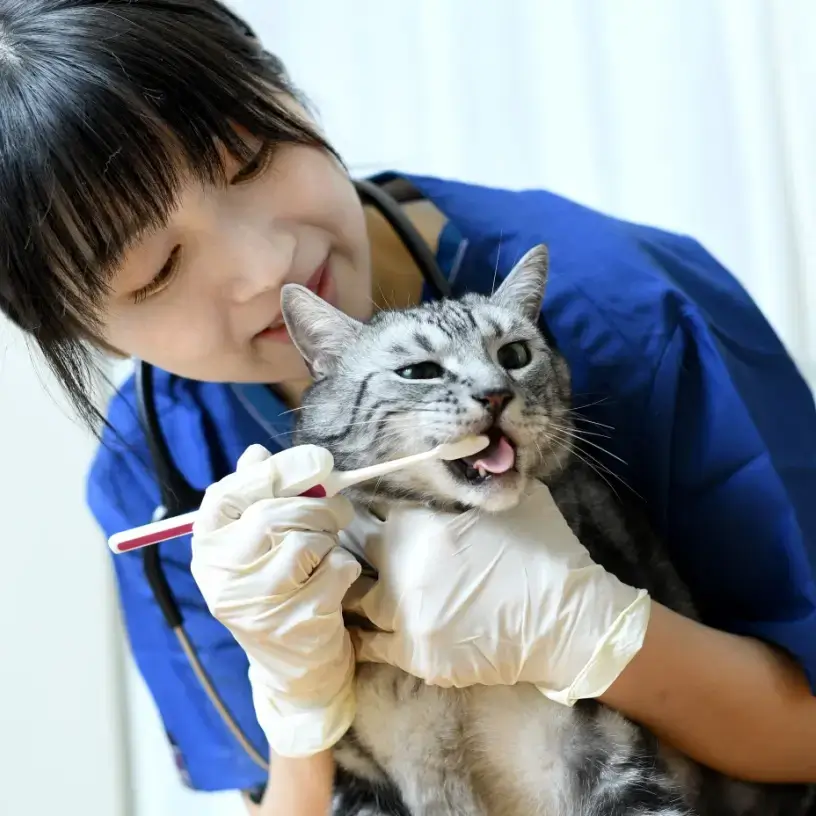


Does pet insurance cover dental cleaning for cats?
Routine dental cleaning is generally not included as standard in most pet insurance policies, as cleaning, scaling and polishing are considered preventative care. With most pet insurance policies, you will need to add-on routine care as an optional extra if want to include preventative dental cover for your cat. While some higher-tier comprehensive policies may include it as standard, adding on routine care usually comes with an additional cost.
Dental coverage varies by insurer, and some insurers may even require regular dental check-ups for any dental-related claim to be eligible. It’s best to check with your insurer read the Product Disclosure Statement (PDS) and Target Market Determination (TMD) to know if the policy is right for you.
What is dental insurance for cats?
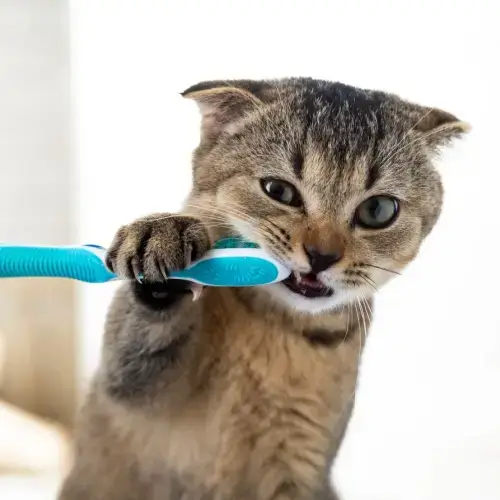
Pet insurance policies can include cover for dental accidents (like a broken tooth), oral illnesses (like gingivitis or an abscess) and preventative dental treatments like cleaning. Most standard pet insurance policies only include cover for accident-related dental treatments, although many offer the option of adding-on a routine care for an additional premium to cover preventative treatment like routine check-ups. Cover for dental illnesses, like gum disease, tooth extractions and infections if they are not pre-existing, is usually only included on comprehensive policies.
Dental insurance for cats is not a separate product, and exactly what type of dental treatments are covered will vary between policies, and many will only offer preventative dental as an optional extra. Before signing up, make sure to read the Product Disclosure Statement (PDS) and Target Market Determination (TMD) to ensure you understand waiting periods as well as what is and is not covered in the policy. This also allows you to be confident that your policy is right for you and your cat.
Having pet insurance that includes dental cover can help make your cat’s dental care more affordable and give you peace of mind that both your cat and its smile stays healthy.
How much does dental cleaning for cats cost in Australia?
In Australia, a standard dental clean for cats generally costs from $300 to $700 on average. This can increase to more than $1,000 if tooth extractions or advanced dental treatment is needed.6
There are a range of factors that will determine the exact cost of dental cleaning for your cat including if there are extractions which need to be done, extra monitoring, or the complexity of the procedure.
Types of dental work your cat may need include:
- General consult and routine cleaning: Routine cleaning for a healthy cat is generally more affordable than advanced dental procedures.
- Extent of dental issues: Cats with severe tartar buildup, gingivitis, or other oral health problems may require more expensive care such as tooth extractions or treatment for periodontal disease.
- Additional services: Dental X-rays, blood tests, and anaesthesia monitoring may be necessary for a thorough cleaning and evaluation but will add the total expense.
- Clinic location: Costs can vary based on your geographic location and the clinic’s pricing structure.
While professional dental cleaning for your cat may seem costly, it is an investment in your pet’s long-term health and may help prevent more severe and expensive medical issues down the track. Your veterinarian will be able to provide a detailed cost estimate tailored to your cat’s needs.
Is dental cleaning for cats necessary?
Yes, dental cleaning for cats is considered necessary as it can help prevent painful dental infections, diseases and future health issues, and is essential for the cat’s quality of life. Regular dental cleaning can help prevent common dental problems in cats such as gingivitis, plaque buildup and periodontal disease.
Maintaining your cat’s oral hygiene is also important to its overall wellness and wellbeing. Like people, some cats may experience dental health problems such as gum disease, tooth decay and foul breath.1 As carnivores, cats in the wild usually clean their teeth by chewing on bones or grass. For domestic cats, it’s important to regularly check the state of your cat’s teeth and practise proactive dental care.
Failure to maintain good oral hygiene for your cat can lead to dental illness, which can include painful issues such as dental tumours, abscesses or periodontal disease.1 If you have concerns about your cat’s oral health, it’s always a good idea to speak with your vet.
Why do I need to clean my cat’s teeth?
Regularly cleaning your cat’s teeth is the only way to prevent plaque (soft bacterial film) from hardening into calcified tartar, which can lead to gum disease, tooth loss or potential diseases. Once built up, plaque can only be removed with professional cleaning. Veterinary research indicates that 70% of cats over three years old have dental disease, making cleaning essential for prevention. Teeth and gum problems occur in 8 out of 10 cats over 3 years of age, so it’s a good idea to get your cat used to the sensation of teeth cleaning from a young age.1
Cleaning your cat’s teeth regularly can help prevent:4
- Plaque and tartar buildup: Plaque can harden into tartar, harbouring bacteria that irritate gums.
- Gum disease (gingivitis): Untreated gum inflammation can progress to periodontal disease, damaging teeth and supporting structures.
- Tooth loss: Neglected dental issues can cause teeth to loosen and fall out.
- Systemic issues: Bacteria from dental infections can enter the bloodstream and affect vital organs, such as the heart and kidneys.
- Pain and discomfort: Poor oral health can make eating and grooming difficult for cats.
How often should I clean my cat’s teeth?
You should aim to clean your cat’s teeth daily or at a minimum several times a week.1 Vets recommend cat owners get into a routine with brushing their cat’s teeth and suggest a mix of brushing at home and getting professional cleaning done.
Professional dental cleaning once a year is also recommended (even if your cat’s teeth are brushed daily), although some cats with advanced dental issues may require more frequent visits.1 Dental cleanings are performed under general anaesthesia, allowing the vet to conduct a comprehensive oral exam, remove plaque and calculus, polish your pet’s teeth and perform other procedures to diagnose dental diseases.
A helpful tip is to start early and brush your cat’s teeth from the time they are kittens. Get them used to having a finger or toothbrush in their mouth, as adult cats can resist having their teeth cleaned.
It’s important to not use human toothpaste as it could contain ingredients toxic to cats. By getting into a routine, it can promote regular fresh breath, helps minimise plaque buildup and is the key to good dental hygiene for cats.
What are the signs that my cat needs dental cleaning?
Bad breath, yellow or brown buildup on the teeth, bleeding gums or difficulty eating can all be signs your cat would benefit from dental cleaning. A healthy cat’s teeth should be clean, white, and chip-free. Your cat’s gums should be pink and healthy, and free of ulcers, lesions, redness, swelling, and bleeding.
While your cat won’t be able to tell you they are feeling oral pain, there are signs to look out for that could indicate there’s something wrong with your cat’s dental health:
- Bad breath: A persistent foul odour can indicate an infection or dental disease.2
- Drooling or pawing at the mouth: This action may indicate your cat is distressed or feeling pain or discomfort.
- Difficulty eating: Avoiding dry food or kibble and only wanting to eat soft food, licking up food instead of chewing and eating less can signal oral pain.
- Irritated gums: Red or swollen gums can be signs of gingivitis or inflammation.
- Visible tartar, loose or missing teeth: Yellow or brown deposits on teeth or loose and missing teeth can be signs of advanced periodontal disease.
- Behavioural changes: Irritability or reluctance to be touched around the mouth can signal poor dental health.
How can I maintain my cat's dental hygiene?
You can keep your cat’s dental hygiene healthy through a regular routine of brushing, dental-friendly products and routine check-ups to prevent oral disease.
Here are the key tips on maintaining your cat’s dental hygiene:
- Start early: Introduce tooth brushing when your cat is young.1
- Dental treats and toys: You can introduce dental diets and products approved by the Veterinary Oral Health Council (VOHC) designed to reduce plaque buildup.
- Specialised diets: Some cat foods are formulated to promote dental health.
- Regular vet visits: Ensure your cat’s mouth receives a thorough dental check during routine exams and vaccinations.
- Observe at home: Monitor for signs of disease or dental discomfort.
What does a cat dental cleaning involve?
Dental cleaning for cats typically involves the cat going under anaesthesia with the gums and teeth as the focus. Your cat will likely get any tartar around the gumline removed and their teeth polished. It’s also an opportunity for your vet to identify any dental diseases that could also treated while the cat is under anaesthesia.5
Types of dental work for cats include:3
- Pre-procedure exam: A thorough check-up to ensure your cat is healthy enough for anaesthesia.
- Anaesthesia: This is necessary to keep your cat still and pain-free during the cleaning as vets probe underneath the gums to remove plaque and tartar.
- Scaling: Remove tartar and plaque from the teeth, including areas below the gumline.
- Polishing: Smoothing the tooth surface to prevent future plaque accumulation.
- Dental X-rays: Assessing the health of teeth and their roots below the gumline.
- Extractions (if needed): Remove severely damaged or infected teeth.
- Post-cleaning: Your veterinarian may provide tips for home oral care and recommend follow-up visits.
Meet our pet insurance expert, Adrian Taylor
As a General Insurance expert with over 13 years’ experience in financial services, Adrian Taylor knows that dogs and cats get themselves into all sorts of mischief. One part of Adrian’s work is to help empower consumers to understand how pet insurance can help save them from exorbitant vet bills when their pet gets injured or falls ill.
Want to learn more about pet insurance?
1 RSPCA Pet Insurance. A guide to cat dental care. Accessed May 2026.
2 Killarney Cat Hospital. Is dental care necessary for cats? Accessed May 2026.
3 VCA Animal Hospitals. Dental cleaning in cats. Accessed May 2026.
4 Cornell Feline Health Center. Feline Dental Disease. Accessed May 2026.
5 Cat Protection Society of NSW. Factsheet: Feline Dental Care. Accessed May 2026.
6 Petcover. Cat Dental Care: Tips for healthy feline teeth. Accessed May 2026.