

Pet insurance for German Shepherds




German Shepherd personality and traits
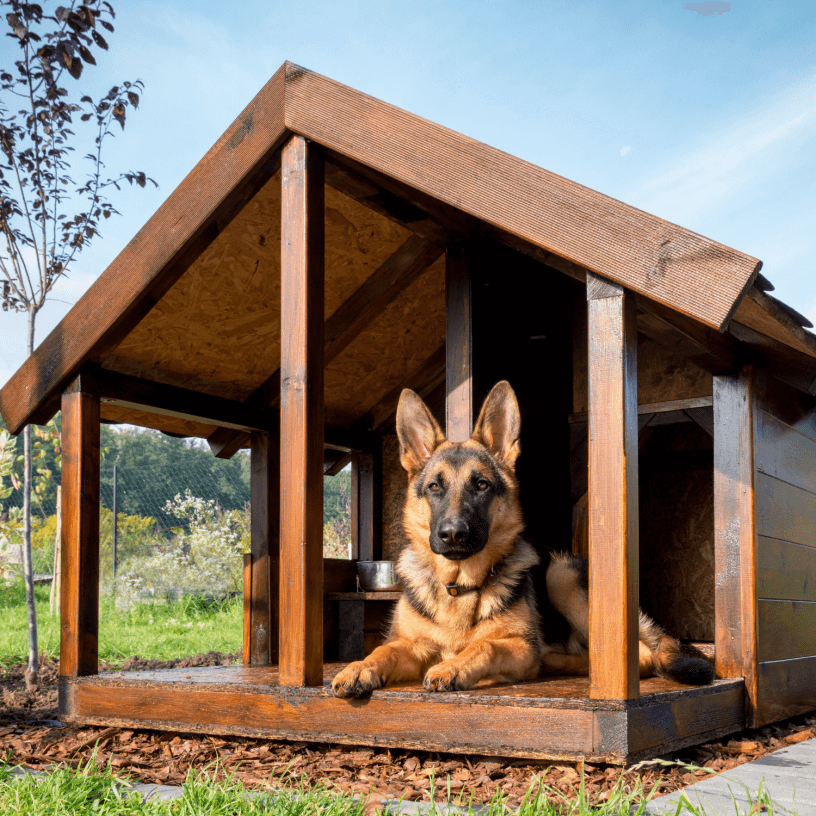
German Shepherd Dogs are one of the most versatile breeds in the world. Originally bred for herding and protection, they are known for their courage, intelligence, and trainability.1 This combination makes them excellent working dogs in police, military, and search-and-rescue roles, as well as loving and loyal family pets.
German Shepherds have a lifespan of around 12-14 years.2 Due to their high energy levels, German Shepherds require regular exercise to maintain their physical fitness and mental stimulation. Daily walks, play sessions, and obedience training help prevent boredom and destructive behaviour. Grooming is also a key part of their care routine, as their double coat sheds heavily year-round and even more during seasonal changes.
Nutrition is also essential to maintaining your German Shepherd Dog’s health. A balanced diet of high-quality dog food rich in lean proteins, healthy fats, and joint-supporting supplements can support a German Shepherd’s muscular build and help prevent obesity, which can worsen hip joint and mobility issues.
Are German Shepherds good pets?
Yes, German Shepherds can make excellent pets for the right owner. They’re known for being a loyal, intelligent, and highly trainable breed dog. At home, they’re typically protective and affectionate with their families, and they tend to form strong bonds with their people.
However, because German Shepherds require a lot of attention, exercise, and mental stimulation,1 without proper training and socialisation they can become anxious or overly protective. This means they’re best suited to active households that can provide consistent leadership, regular activity, and plenty of time for interaction.
If you’re considering a German Shepherd, it’s essential to consider your lifestyle and whether you can meet their physical and emotional needs.
Common health problems in German Shepherds
While German Shepherds are robust, they are genetically predisposed to several breed-specific health conditions that can develop over time. German Shepherd owners need to be aware of these common health concerns and look out for the early signs of illness, as receiving a diagnosis earlier will enable more treatment options and a higher rate of recovery.
Many of these health concerns may also require lifelong management or surgical intervention, and veterinary bills can easily reach thousands of dollars. This is why having pet insurance can be worthwhile, but it’s important to take it out early. If you wait to take out pet insurance until after your German Shepherd has been diagnosed with a serious health concern, it will likely be considered a pre-existing condition and any related claims won’t be covered.
Some of the most common German Shepherd health issues include:
Joint issues
German Shepherds can suffer from hip and elbow dysplasia, which are hereditary joint disorders in which the hip or elbow joints develop abnormally, leading to a poor fit and wear over time.1 Large dog breeds, including German Shepherds, are typically also more at risk of cruciate ligament injuries.
Symptoms: Limping, lameness, stiffness after rest, reluctance to exercise or climb stairs, and visible discomfort during movement.
Treatment: Pain management with anti-inflammatories, physiotherapy, weight control, and in severe cases, corrective surgery.
Degenerative myelopathy
A progressive neurological disease affecting the spinal cord, more common in older German Shepherds 3
Symptoms: Hind limb weakness, dragging of paws, loss of coordination, and eventual paralysis.
Treatment: No cure exists; however, physical therapy, mobility aids (such as carts), and supportive care can help maintain quality of life.
Gastric Dilatation-Volvulus (GDV)
GDV, also known as bloat, is a life-threatening condition where the stomach fills with gas and twists, cutting off the blood supply.3
Symptoms: Sudden abdominal swelling, restlessness, unproductive retching, rapid breathing, and collapse.
Treatment: Emergency surgery to untwist the stomach and prevent recurrence.
Cancer (Hemangiosarcoma)
German Shepherds are at increased risk for certain aggressive cancers, particularly hemangiosarcoma cancer.3 These conditions can develop silently and progress rapidly, often with life-threatening consequences.
Hemangiosarcoma is a type of cancer that affects the blood vessels, commonly occurring in the spleen, heart, or liver.
Hemangiosarcoma symptoms: Sudden weakness, pale gums, abdominal swelling, and collapse due to internal bleeding.
Hemangiosarcoma treatment: Emergency surgery may be needed to remove affected organs, followed by chemotherapy. Early diagnosis can improve quality of life, but long-term survival is limited.
Allergies and skin conditions
German Shepherds can be prone to allergic reactions from food, pollen, fleas, or chemicals.3
Symptoms: Itchy skin, redness, ear infections, hair loss, and chronic licking or scratching of the affected area.
Treatment: Identifying and avoiding allergens, using medicated shampoos, antihistamines, and sometimes prescription diets.
Exocrine Pancreatic Insufficiency (EPI)
A condition where the dog’s pancreas doesn’t produce enough digestive enzymes, leading to weight loss and poor nutrient absorption.3
Symptoms: Chronic diarrhoea, weight loss despite normal appetite, flatulence, and poor coat condition.
Treatment: Lifelong enzyme replacement therapy with meals and a highly digestible diet.
Does pet insurance cover German Shepherds?
 Pet insurance reimburses you for a portion of your dog’s vet bills and medical expenses, depending on level of cover. When a German Shepherd develops a health issue, timely treatment can make all the difference in their comfort and recovery. With insurance, pet parents can avoid delaying care due to financial concerns.
If you’re a proud German Shepherd owner, you already know how loyal, energetic, and intelligent these dogs are. But because they’re also prone to specific health issues that can be expensive to treat, pet insurance for your German Shepherd can help you manage costs while making sure your beloved pet gets the care they need.
And remember, pet insurance generally doesn’t cover pre-existing conditions so taking out cover for your German Shepherd as a pup means they are more likely to be covered if serious health issues arise down the track.
Is pet insurance worth it for German Shepherds?
German Shepherds are known for their strength and agility, but they’re also at risk for conditions like hip dysplasia, arthritis, and skin allergies. These problems can lead to ongoing vet visits, medications, or even surgery. Having pet insurance can help cover those costs, so you’re not caught off guard when something unexpected happens.
Here’s how pet insurance can help:
Financial protection
Veterinary care bills can pile up quickly, especially if your German Shepherd needs emergency care or long-term treatment. Pet insurance plans can help you cover the costs to maintain your pet’s health, so you don’t have to pay as much out of pocket or delay care.
Better access to quality care
When you’re insured, you may be more likely to say yes to advanced tests such as X-rays and MRIs, specialist visits, or newer treatments without worrying so much about the price tag. That means your German Shepherd gets the best care possible.
Preventive care support
With some policies you can add-on routine care as an optional extra to help over the cost of services such as vaccinations, flea and tick prevention, dental cleanings, and annual check-ups to maintain your dog’s well-being. These preventative health services help catch problems early and not only keep your dog feeling their best, but can reduce the likelihood expensive treatments down the track.
Early treatment
When vet costs are more manageable thanks to pet insurance chipping in, you may be more likely to take your dog to the vet at the first sign of trouble. That can make a significant difference in preventing minor issues from developing into serious health problems.
Peace of mind
Knowing you’re financially prepared for unexpected vet bills gives you one less thing to worry about. If your German Shepherd does unfortunately become unwell, you can focus on their recovery and enjoy life together, instead of stressing over bills.
How much is pet insurance for German Shepherds?
The cost of pet insurance for a German Shepherd can vary depending on several factors, including your dog’s age, location, and overall health. Because German Shepherds are a larger breed and prone to certain hereditary conditions, their premiums may be higher compared to smaller or lower-risk dogs.
The level of cover you choose, whether it’s accident-only or comprehensive, and if you opt for routine care add-ons, also play a significant role in the price. Ultimately, the monthly cost reflects the level of protection you desire and the degree of financial peace of mind you seek.
What factors should I consider when choosing pet insurance for my German Shepherd?
There is no “best” pet insurance plan for all dogs. When selecting the pet insurance plan for your dog, it’s important to consider your German Shepherd’s unique health risks and lifestyle.
Always read the Product Disclosure Statement (PDS) and the Target Market Determination (TMD) to understand what the inclusions and exclusions are, and to decide if that policy is fit for your furry friend.
Here are a few key factors to consider:
- Comprehensive coverage: While it might be more expensive than accident-only cover, a Comprehensive policy will cover illnesses, hereditary conditions, and chronic diseases, as well as accidental injuries.
- Pre-existing conditions: Most pet insurance companies don’t cover pre-existing conditions, which is why it’s a good idea take out cover when your German Shepherd is young and healthy and before any health conditions develop.
- Get cover early: Starting early means you’re more likely to qualify for comprehensive plans that cover a wide range of treatments. Keep in mind that some insurers may limit coverage options or exclude certain benefits for dogs over 9 years old.
- High annual limit: Because treatments for large breeds can be expensive, consider opting for a plan with a generous benefit limit and sub-limits.
- Short waiting periods: Some insurers have waiting periods before coverage begins. Compare different dog insurance policies to ensure you’re protected as soon as possible.
- Reimbursement options: Check whether the insurer reimburses a fixed percentage (like 80–90%) or uses benefit schedules.
It’s also worth reading reviews from other pet owners, particularly those with German Shepherds, and asking your veterinarian for recommendations on providers that handle large breed claims efficiently.
Meet our pet insurance expert, Adrian Taylor
As a General Insurance expert with over 13 years’ experience in financial services, Adrian Taylor knows that dogs and cats get themselves into all sorts of mischief. One part of Adrian’s work is to help empower consumers to understand how pet insurance can help save them from exorbitant vet bills when their pet gets injured or falls ill.
Want to know more about pet insurance?
1 PetMD. Dog Breed – German Shepherd. Accessed November 2025.
2 American Kennel Club (AKC) – Dog Breed – German Shepherd. Accessed November 2025.
3 Veterinary Formula – 13 Common health problems in German Shepherds. Accessed November 2025.