

Goods in transit insurance






What is goods in transit insurance?
Goods in transit insurance is a type of business insurance that provides cover for loss and damage to your property when it’s in transit by road in a vehicle, when the loss or damage is caused by collision, fire and other perils, malicious damage and theft.
Businesses and individuals transporting, storing and delivering goods in Australia can be held liable for the cost of damages and losses that occur during transit. Goods in transit insurance helps these Australian businesses mitigate these risks and reduce business interruption by offering cover for replacing or repairing damaged or lost goods in transit.
Goods in transit insurance can be purchased individually or as part of a broader business insurance package
For non-commercial transits, some home contents insurance policies may provide transit cover for personal belongings when moving houses.
What does goods in transit insurance cover?
Goods in transit insurance generally cover a wide range of insured events, but the specifics can vary depending on your business insurance policy and the insurance provider.
Always read the Product Disclosure Statement (PDS) and Target Market Determination (TMD) to ensure you know your insurance coverage and that the product is the right cover for you and your business.
Common situations covered include:
- Accidental damage or destruction of goods: This insurance can cover the repair or replacement of goods that are damaged, destroyed or written off as accidental losses due to incidents during transit.
- Theft or loss of goods: If goods are stolen or lost (criminal activity) during transport, goods in transit insurance can potentially reimburse the owner for the loss.
- Weather-related incidents: Natural disasters or extreme weather events, such as floods, fires and storms, can damage goods in transit.
- Accidents: Accidents like collisions, tipping or overturning involving the transport vehicle can damage the shipped goods.
Exclusions
It’s important to carefully read your insurance package’s policy wording to understand your cover’s exclusions and limitations.
While goods in transit insurance provides broad cover, some exclusions still apply, such as:
- Inherent defects in the goods (present before they were transported)
- Loss caused by improper packaging
- Damaged goods due to deliberate acts or negligence by the owner or shipper
- Consequential loss or indirect losses that occur as a result of an event, like business disruption because of lost goods.
Do I need goods in transit insurance?
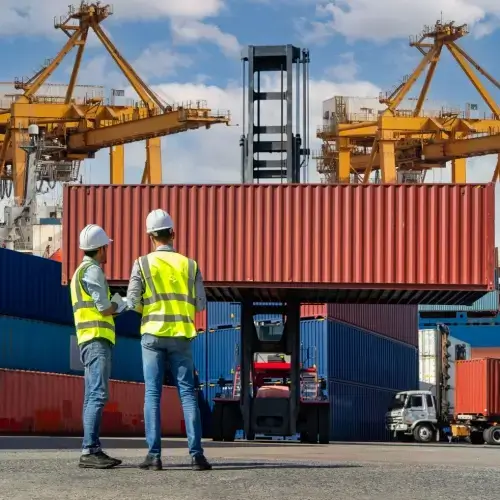 Whether you need goods in transit insurance depends on several factors, including the nature of your business, the value of your goods and the types of transport you use. Here are a few key reasons why goods in transit insurance may be necessary:
- Protection against financial loss: There is always a risk when transporting goods, especially high-value items. A sudden loss or damage could result in significant financial loss for the business. Having goods in transit insurance can help mitigate these risks and ensure the business can recover from the financial impact.
- Legal requirements: While goods in transit insurance isn’t mandatory by law in Australia, some clients or suppliers may require it as part of contractual agreements.
- Peace of mind: Goods in transit insurance can provide peace of mind, knowing that the business is financially covered if the unexpected occurs. This allows businesses to focus on operations without worrying about potential losses during transit.
- High-value or fragile goods: Goods in transit insurance may be essential if you’re shipping high-value goods, fragile items or perishable products, as these items are more likely to be damaged, stolen or lost during transit.
- Risk exposure: Your exposure to risk increases if you’re a business owner who regularly transports goods over long distances. Goods in transit insurance can help safeguard against various potential mishaps, including accidents, theft and weather-related damage.
How much does goods in transit insurance cost?
The premium you may pay for goods in transit insurance in Australia can vary based on several factors, including:
- Value of the goods: The higher the value of the goods being transported, the more expensive the insurance premium. Insuring high-valuegoods such as machinery, electronics or luxury items typically costs more due to the higher payout if the items are lost or damaged.
- Type of goods: The type of goods being shipped also plays a significant role in determining the cost. For example, fragile or perishable items may carry higher premiums due to their susceptibility to damage. Hazardous materials may also increase insurance premiums as they require special handling and further insurance.
- Distance travelled: The further your goods are being transported, the higher the risk of something going wrong. International shipments and long-haul domestic transport may result in higher insurance premiums.
- Claims history and excess: If you or your company have a history of frequent claims, insurers may charge higher premiums. The excess you choose also affects the premium – higher excesses generally lead to lower premiums, but you’ll be responsible for paying a more significant portion of any claims.
How to lower the cost of your insurance premium
You can lower the cost of your premium by bundling goods in transit insurance with other types of insurance, like public liability insurance or product liability insurance. Some business insurance plans may also offer goods-in-transit insurance as part of the insurance package; therefore, always research and read the PDS before buying an insurance plan.
Meet our business insurance expert, Adrian Taylor
As a General Insurance expert with over 13 years’ experience in financial services, Adrian Taylor strongly believes in the protection and peace of mind that all types of business insurance provide business owners. Adrian says this type of cover can be the difference between a business staying afloat and going under if trouble arises.