

Compare car insurance in Western Australia (WA)









We do not compare all brands in the market or all products offered by all brands. At times certain brands or products may not be available or offered to you. Learn more about how our comparison service works.
What’s the difference between types of car insurance?
We’ve compiled this table of benefits to help you see the differences between the levels of cover. This information should be used as a guide only, as different policies and insurers might offer varying coverage.
Top 3 things to know about car insurance in Western Australia (WA)
It pays to compare
Compare quotes in minutes and start saving today.
Simple to use
Get started by answering a few quick questions to help us understand your needs.
Compare & save
Save time and money by easily comparing options from a range of providers side-by-side.
Switching is easy
Follow a few easy steps online to switch to a new deal that suits you and your budget.

Why compare with us?
Our smart comparison technology is trusted, free, safe and secure.
We believe the best decisions start with a comparison.
We’re proud to have helped millions of Aussies look for a better deal.
4.4 / 5

Based on 3,371 reviews
23 million comparisons and counting
4.7 / 5

Based on 2,875 reviews
Ratings as of 30/09/2026.
A guide to comparing car insurance in Western Australia
Updated 29 January 2025


Kochie’s top tips for drivers in Western Australia
Looking for great value car cover in WA? Our Economic Director David Koch shares our expert tips to help you save.

David Koch
Economic Director
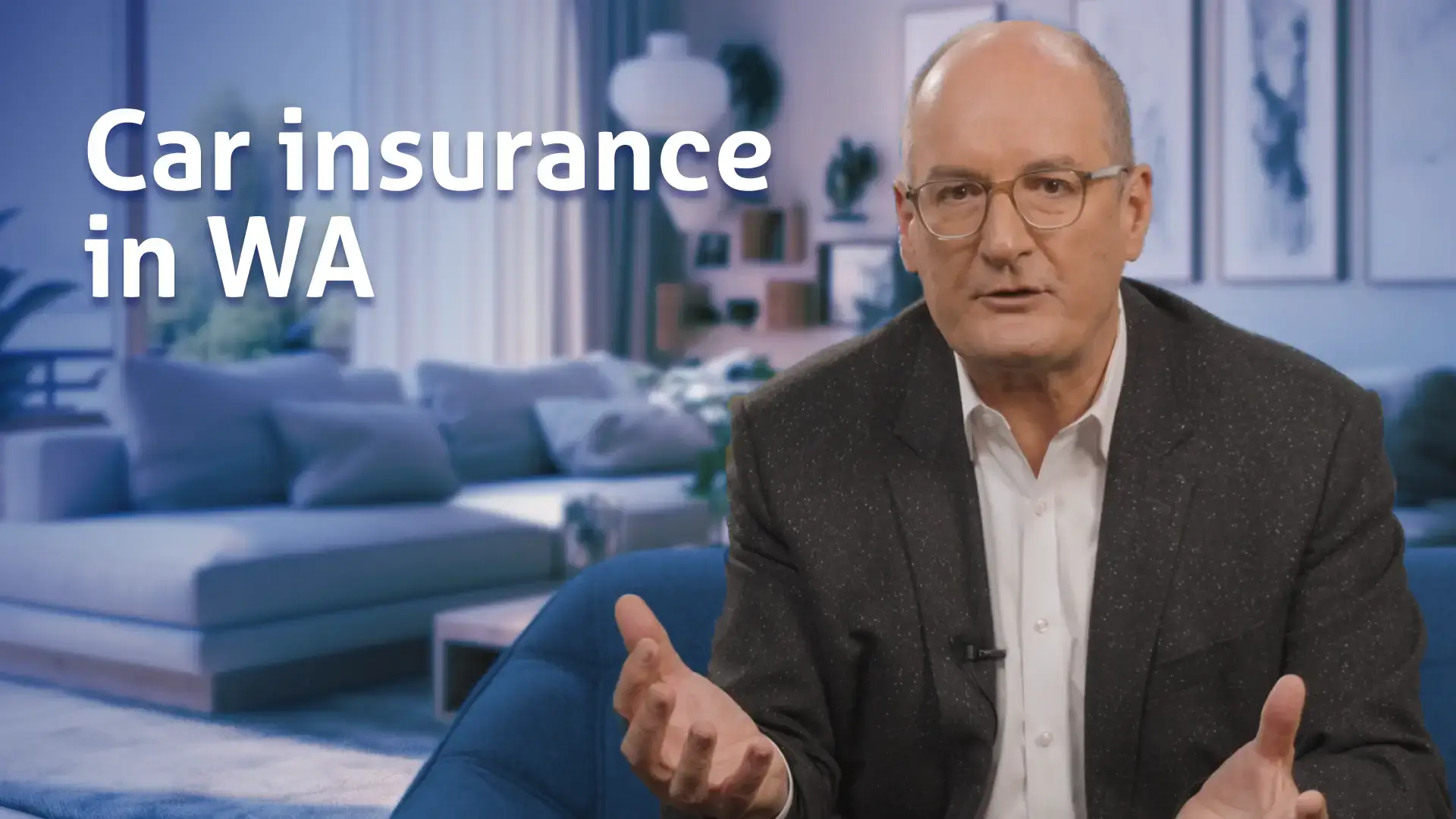

Video Transcript
Protecting your car is crucial in Western Australia. With a land area of over 2.5 million square kilometres, it’s a huge place to get around, and a mix of different road conditions to get used to. Luckily there’s a car insurance policy out there for every car and every driver – you just need to know what’s right for you.
If you want insurance against the cost of potential damage, you’ve got three options. Third Party Property Damage will cover you for damage you cause to other people’s vehicles and properties and, in limited circumstances, your own vehicle. Third Party Fire & Theft adds cover for fire and theft on top of that. And comprehensive car insurance covers damage to your car and more, for the ultimate piece of mind.
But finding suitable cover doesn’t mean being taken for a ride. Compare the Market has these tips to help you save. Shift your excess. If you’re a safe driver, you could pay less on your premium if you chose to pay a higher excess in the event of a claim.
Update your details. Small changes like parking your car in a garage overnight or restricting your policy to drivers aged 25 and over could lower your premiums. If you’re now driving less because you’re working from home, see if a low kilometre policy could be right for you. Pay your way.
Pay fortnightly, monthly or annually to suit your budget and cash flow but remember paying in instalments can be more expensive than paying annually. And – most importantly – compare your options! It’s the best way to make sure you’re getting good value for your money. Start your journey today with Compare the Market.
The types of car insurance in Perth and beyond
Western Australian drivers can choose between three different types of optional car insurance to cover your driving in both WA and the rest of Australia. You’ll automatically get Motor Injury Insurance when you pay for your car’s registration (as it’s mandatory), but you may want to consider another level of car insurance for further cover.
Comprehensive
Comprehensive car insurance is the most wide-ranging form of insurance you can take out for your car. It covers the repair or replacement of your car if it’s affected by fire, theft, accidental damage or other insured events. It can also cover the repair or replacement costs of any vehicles or property damaged in an accident where you’re at fault.
Third Party Fire and Theft (TPFT)
Third Party Fire and Theft insurance covers any third-party property that you damage in an accident, as well as the repair or replacement costs for your vehicle when it’s damaged by theft or fire. Depending on the policy, it may also cover damage to your vehicle caused by an at-fault, uninsured driver, although repairs may only be covered up to a specified limit.
Third Party Property Damage (TPPD)
Third Party Property Damage insurance protects you against liability costs for damages you cause to other vehicles or property in an accident. There’s no cover for repairs and replacement for your car with this type of insurance, regardless of whether it’s damaged by weather events (such as fire or flood) or in a car accident. This type of third-party insurance also doesn’t cover the cost of replacing your car should it be stolen.
Motor Injury Insurance
This is automatically included in your car registration each year and includes Compulsory Third Party (CTP) insurance. This type of insurance covers the driver of a registered vehicle if they’re responsible for someone else’s injury or death from a car accident. Motor Injury insurance doesn’t cover damage to vehicles or property, so if you do get into an accident and only hold this level of cover, you may still have significant out-of-pocket expenses.
What car insurance features should WA drivers look for?
 While some car insurance features can come at an additional cost to your premiums, they can be worth taking out for that extra level of cover. Some features insurers may offer include:
- Excess-free windscreen repair. Some insurers will waive or lower the excess on window glass repairs and replacement if you add this feature to your policy.
- Roadside assistance. Drive with confidence knowing that a flat tyre or an empty petrol tank won’t keep you stuck on the side of the highway. Roadside assistance may also provide towing if you need it.
- Agreed value vs market value. Have the peace of mind that you won’t be surprised by your payout if your car is written off, as it’ll be insured up to an amount you and your insurer agree upon when the policy is taken out or renewed.
- Hire car. If your car needs repairs or to be replaced after an accident or theft, a hire car can be a crucially convenient perk.
Insurers may offer different features or even include some as standard in your policy. You may also find that some optional extra features are only available on comprehensive insurance policies. Keep in mind that adding extra features to your policy will increase your premiums.
Car insurance in WA
How much does comprehensive car insurance cost in WA?
The cost of comprehensive cover varies, depending on your insurer and personal circumstances. Some factors that commonly impact the amount you pay include the age of the driver, the type of vehicle you’re driving, where you park the car overnight (e.g. garage or street), the excess you agree on and your claims and driving history.
Do you need a comprehensive car insurance policy in WA?
Comprehensive car insurance is optional for WA drivers; the only cover that’s compulsory for drivers is Motor Injury Insurance, which includes CTP insurance. Other levels of cover will give you added protection for vehicle and property damage to varying degrees.
Our table sums up the typical difference between each type of car insurance.
| Insurance type | Damage to your car | Damage to another person’s car or property | Damage or loss to your car caused by fire or theft | Injuries or death to other people in an accident |
|---|---|---|---|---|
| Comprehensive | ✓ | ✓ | ✓ | ✗ |
| Third Party Fire and Theft | ✗ | ✓ | ✓ | ✗ |
| Third Party Property Damage | ✗ | ✓ | ✗ | ✗ |
| Motor Injury Insurance | ✗ | ✗ | ✗ | ✓ |
| Always read the relevant Product Disclosure Statement (PDS) to be aware of any specific exclusions or conditions in your cover. The Target Market Determination (TMD) may also help you decide if the product is right for your situation. | ||||
What’s the best car insurance to purchase in WA?
It depends on the level of cover you’re looking for. If you want the most protection for your motor vehicle, it’s worth considering a comprehensive policy for your car. However, if you’re only looking for financial protection in instances where you damage other vehicles and property in a car accident, third party car insurance policies like TPFT and TPPD are typically cheaper insurance options than comprehensive cover.
How car insurance premiums work in WA
Does living in WA affect your insurance premiums?
Where you live and park your car in WA will have an impact on the premium you pay, so it’s very important to notify your insurance provider when you change your address. This is because different locations carry different risks to insurers. For example, your suburb may be at higher risk of road accidents due to the busy main road that runs through it. On the other hand, you might park your car in a garage overnight, which could indicate to insurers that it’s safe from theft.
What other factors affect your car insurance cost?
Some other factors that impact your car insurance premiums can be the type of vehicle you drive, as well as any modifications that may impact the car’s driving safety. Your age and driving history may also impact your premiums. Car immobilisers, alarms and other anti-theft features may reduce your car insurance premiums.
Furthermore, parking your car in a locked garage as opposed to a busy street can help reduce the cost of your cover, especially if you’re parked in an area that has a high rate of theft or vandalism.
How can I get cheap car insurance in WA?
 There are a few things you can do that could reduce the premiums you pay on your car insurance:
- Look for online discounts. Many insurance companies offer special deals if you purchase a new policy online. If you compare and buy car insurance with us, you could get those special offers too. It’s important to be mindful of how long these special deals apply for, in most cases, it’s only the first year.
- Increase your excess payment. By choosing a higher car insurance excess, you’ll reduce the minimum premiums you pay. Keep in mind that if you do need to claim, you’ll have to pay that higher excess.
- Restrict the age of drivers. If you set an age limit on your policy for the people who will drive your car (e.g. drivers under 25 years old are restricted), this can lower the cost with some insurers.
Find out more about ways you could reduce your car insurance premium.
How will previous claims affect my car insurance?
Lodging a claim, no matter who was at fault, can affect the cost of your car insurance. Both at-fault and no-fault claims may increase your premiums but to varying degrees.
Does my car insurance become cheaper when I turn a certain age?
Whether or not your insurance becomes cheaper depends on your age and driving experience. Generally, younger drivers are regarded as a higher risk and many insurance companies will charge them a higher premium. If you’re an older driver with a clean driving history, you may indeed be rewarded with lower premiums. It does differ between insurers so it’s important that you compare a range of car insurance policies often to see if you can get the cover you need at a better price.
If I move house, could my car insurance be affected?
Moving house may affect your car insurance premiums. For example, if you move to a WA postcode that has higher rates of theft, or a busy city centre like Perth where car accidents occur more frequently, you may notice a rise in your premiums, especially if you’ve come from an area of WA that’s relatively safer.
What will car insurance cover?
Does car insurance cover hail damage?
While most insurers can cover your car against hail damage (depending on the type of cover), it can be harder to get cover for cars with pre-existing hail damage.
As a tradie in WA, does car insurance cover my tools?
If you’re travelling across WA for work and need your tools covered, comprehensive car insurance can sometimes provide some cover for tools and personal contents up to a limit.
How to compare car insurance quotes online
In just minutes, you can compare quotes from several providers through our car insurance comparison service. All you need to get started are the following details:
- Basic car details like the make, model and year. Alternatively, entering your registration number can prefill these details and save you some time.
- The level of cover you’re looking to purchase from comprehensive, TPFT and TPPD.
- Advanced car details like whether your vehicle has modifications, hail damage and how much you drive.
- Personal details such as your date of birth, the age you received your licence and claims history.
Meet our car insurance expert, Adrian Taylor
As a General Insurance expert with over 13 years’ experience in financial services, Adrian Taylor is passionate about demystifying car insurance for consumers, so they have a better understanding of what they’re covered for. Adrian’s goal is to make more information available from more insurers, to make it easier to compare and save.