

Hydroelectricity: Hydropower in Australia explained




What is hydroelectricity?
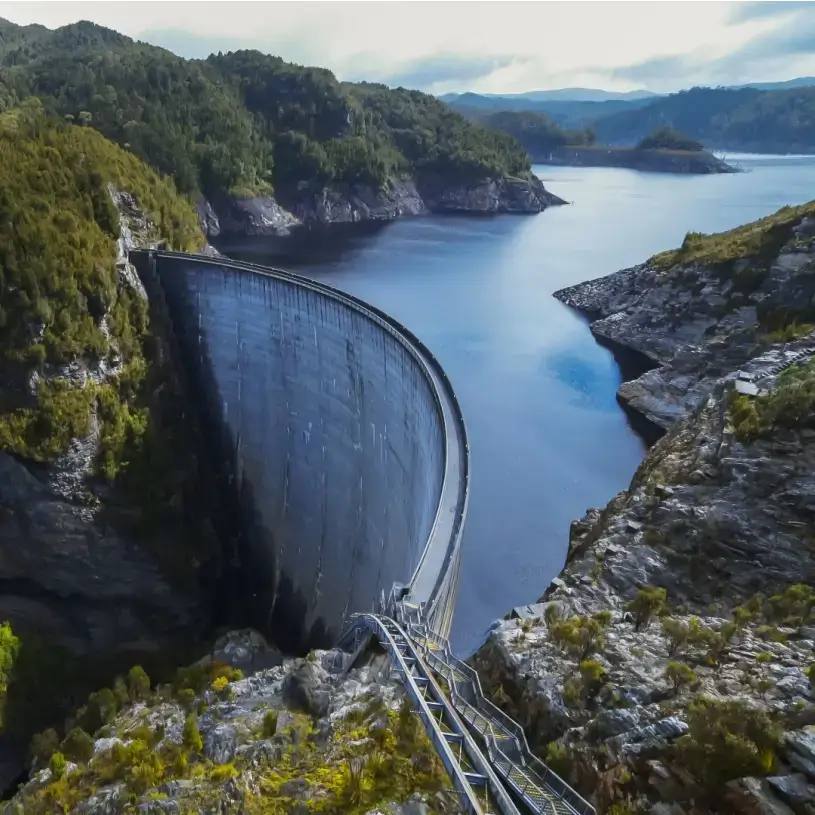
Hydroelectricity, also known as hydropower, water power or hydro energy, is a type of renewable energy technology that converts the energy of moving water into electricity. Hydroelectric power is created when water (typically from reservoirs and dams) is channelled through water turbines. More than 160 countries generate some level of their electricity through hydropower.1
In 2023, hydroelectricity was one of Australia’s top three sources of renewable energy, along with solar and wind.2 Six per cent of all renewable energy generated in Australia in this period was through hydro. 2
Understanding hydropower
How hydroelectricity works
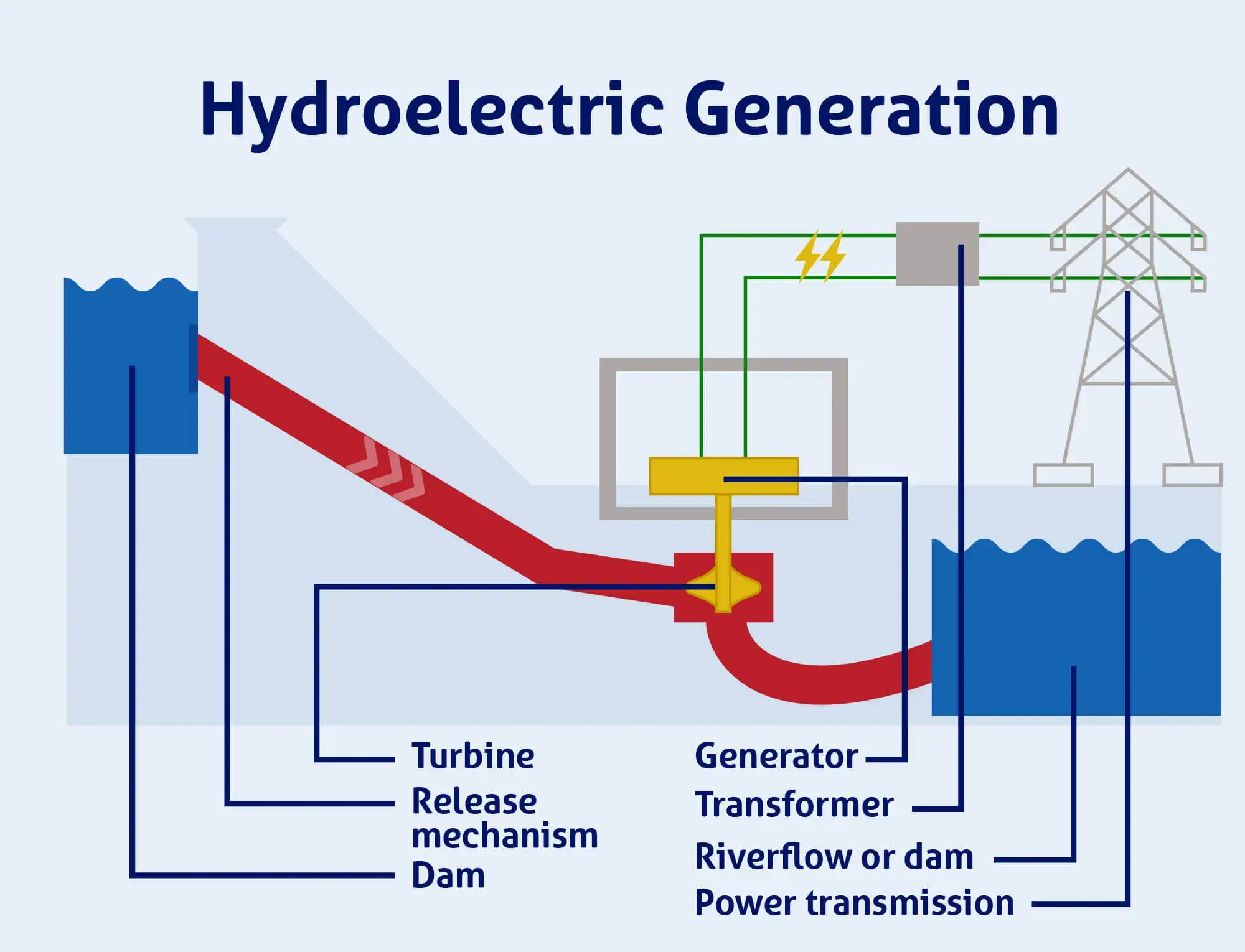
Hydroelectricity is generated when a flow of water – usually from hydroelectric dams – is passed through turbines that can generate electricity. When the water moves through the turbine blades, it causes them to rotate, allowing the generator to convert the motion into electricity (hydropower).
Hydroelectric power generation works in five simple steps:
- At hydroelectricity power plants (also known as hydropower plants or hydro power stations), water is typically stored in an upper reservoir or hydroelectric dam.
- Through penstocks, the water is delivered to turbines and released into a lower hydroelectric dam. During this process, water causes the turbine blades to spin.
- As the turbine spins, they convert the motion into electrical energy.
- The renewable electricity generated can either be used immediately or stored and used when demand is higher, using Pumped Hydro Energy Storage (PHES).
- The water is then pumped back into the main reservoir to be used again.1
What hydroelectricity is used for
Like natural gas, solar power or even nuclear power, hydroelectricity is another energy source that can power homes and businesses across Australia. However, hydroelectricity is a renewable source that is better for the environment than its fossil fuel counterparts.
So, if your home or business uses any amount of electricity, there’s a chance it’s been (at least partially) generated through hydropower.
Hydropower, the home and the environment
Is hydroelectricity renewable?
Hydroelectricity is considered a renewable energy source because it relies on the natural water cycle and gravity to generate electricity. While it does use turbines to convert energy, at its core, no fossil fuels are burnt to produce hydropower.
Are hydroelectric dams bad for the environment?
While hydroelectricity doesn’t generate pollution, hydropower plants and facilities can have negative impacts on the environment. For example, building a new plant may cause damage or destruction to natural ecosystems, change water temperatures and impact wildlife. Similarly, harvesting the materials used to build a plant can produce emissions, which may affect the environment.3
Can I switch my home to hydroelectricity?
While in some specific cases it’s possible to have a home micro hydropower system, at a minimum, you would need access to a regular flowing water supply (e.g. a river or stream) and be willing to pay high upfront costs for the system. In most cases, hydropower is not a suitable form of energy generation for individual homes.
Instead, you could invest in a solar panel system if you’re looking to use more renewable energy at home or be less reliant on the electricity grid. You can also compare electricity plans as some may offer GreenPower plans, where electricity retailers will purchase accredited renewable energy on your behalf.
Hydroelectricity in Australia
Currently in Australia, hydropower isn’t a main source of electricity, but we still have a number of ongoing hydropower projects.
Hydroelectricity plants in Australia
Australia is home to multiple hydropower facilities. The biggest is the Snowy Scheme located in New South Wales that’s comprised of eight hydroelectric power stations that have a generation capacity of at least 5 megawatts (MW).4
Tasmania has the highest hydroelectricity generation, with approximately 80% of the state’s electricity coming from hydropower.5
Pumped Hydro Energy Storage (PHES)
PHES systems are an important part of hydroelectricity production, as they allow excess electricity to be stored and used when electricity demand is high. They’re similar to solar storage batteries, which allow you to store excess electricity your solar panels produce and use it when it’s most convenient for you.3
How do PHES systems work?

While hydroelectricity itself is an important renewable energy source of electricity production, pumped-storage hydropower systems are just as important. They work by allowing electricity to be stored and used when it’s needed most. Here’s how they work:
- Other renewable energy sources (solar or wind power) pump water from a hydroelectricity dam to an uphill reservoir when demand for electricity is lower.
- When the demand increases (in peak times or when wind or solar isn’t generating enough electricity), the water is released from the upper reservoir.
- As water travels to the lower reservoir, it passes through a turbine and electricity is generated.1
What are the advantages of hydroelectricity?
Being a renewable type of clean energy that doesn’t rely on fossil fuels, hydropower provides a multitude of benefits to electricity generation. By utilising hydropower instead of other fuel sources, we can see benefits that include:
- Minimal environmental impacts
- The reduction of greenhouse gas emissions, which can have strong positive impacts on climate change and global warming
- Working in conjunction with other renewable energy types
- Lower maintenance and operation costs.
What are the disadvantages of hydroelectricity?
Like with any form of electricity generation, there are disadvantages that come with developing hydroelectricity facilities:
- Building the infrastructure can be expensive
- Creating a dam may require a lot of concrete, which creates carbon dioxide
- It can cause environmental issues when an area is flooded to create a dam, destroying habitats and impacting local wildlife
- It can be dependent on needing rainfall to continue to be successful
- It takes time to pump water back into the upper reservoir.3
Meet our energy expert, Meredith O’Brien
As the Head of Energy at Compare the Market, Meredith O’Brien believes in educating Australian customers about the ever-changing gas and electricity market so they can adjust their energy usage habits and get the most out of their energy plans.
Meredith has seven years of experience within the energy industry, following 15 years in financial services. Meredith is a dedicated customer advocate who is passionate about empowering Australians to find the right products to suit their needs by removing the confusion from comparing.
Want to know more about energy?
1 ARENA – Australian Government. Hydropower/Pumped Hydro Energy Storage. Updated April 2025. Accessed August 2025.
2 Department of Climate Change, Energy, the Environment and Water. Renewables. Updated 2024. Accessed August 2025.
3 U.S. Energy Information Administration. Hydropower explained. Updated November 2022. Accessed August 2025.
4 Snowy Hydro. The Snowy Scheme. Accessed August 2025.
5 AEMC. Tasmania. Accessed August 2025.