

Pet insurance for Schnauzers
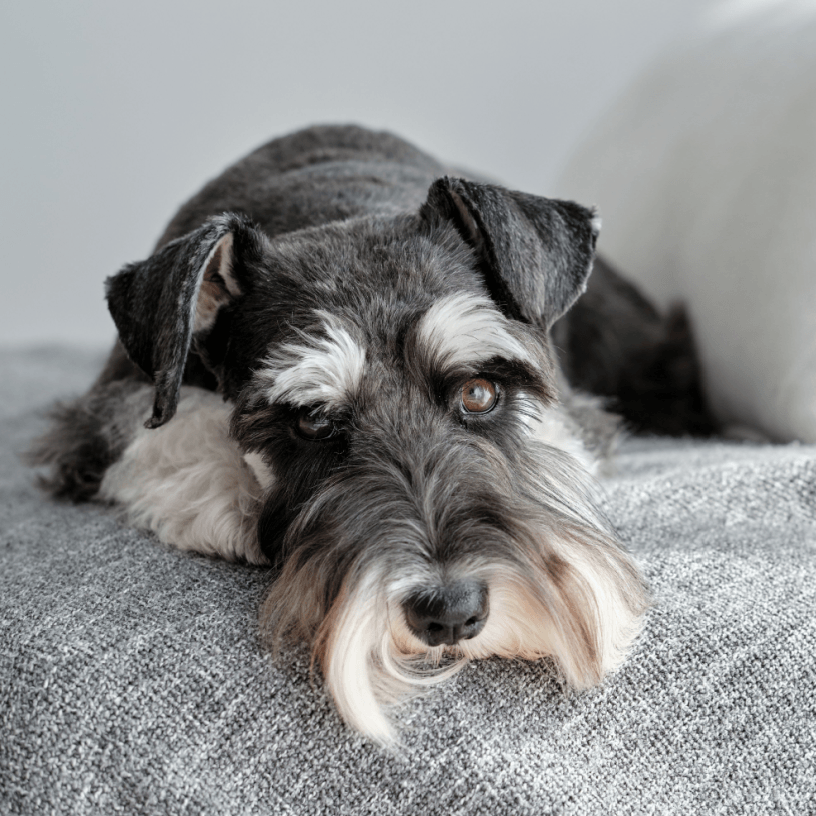


Schnauzer personality and traits
Schnauzers are a distinctive and much-loved breed family known for their expressive eyebrows, wiry coats and lively, intelligent personalities.1 Originating in Germany, they were bred as versatile working dogs, excelling at guarding, herding, and pest control. Today, Schnauzers are popular companion animals in Australia thanks to their loyalty, confidence and sharp minds. Schnauzers have a lifespan of 13-16 years.1
What sets Schnauzers apart is they come in three sizes: Giant, Standard and Miniature.1 Although they share the same characteristic look and spirited temperament, each size has its own strengths, energy levels and ideal living environments.
Schnauzer Club of Victoria president Ralph Richardson told Compare the Market that Schnauzers thrived with structure, stimulation and consistent leadership.
“Most problems come down to underestimating how smart, driven, and opinionated they are,” Richardson said via email.
“If you treat them like an active, thinking companion – not just a pet – you’ll avoid almost all of these issues.”
The breed’s cleverness came with a warning: “They learn bad habits just as fast as good ones.”
Richardson advised owners to get on the front foot with Schnauzer stubbornness. “Start training from day one, be consistent with commands and boundaries, use positive reinforcement and keep training sessions short as they get bored easily,” he said via email.
Research from George Mason University in 2025 suggested the tendency to boredom wasn’t due to a lack of smarts, but rather they preferred meaningful engagement. Schnauzers tend to zone out when tasks feel repetitive or unrewarding.7
Giant Schnauzer
Giant Schnauzers (or Riesenschnauzer) are powerful, confident and incredibly loyal companions. They were originally bred as working farm dogs and guard dogs, which explains their strong protective instincts and high intelligence.2 Giants thrive on structure and purposeful activity, whether that’s obedience training, scent work, agility or long, focused exercise sessions.
Despite their size, Giant Schnauzers form deeply affectionate bonds with their families. They do best with experienced pet parents who can provide firm yet positive guidance and consistent mental stimulation to prevent boredom-related behaviours.
Standard Schnauzer
Standard Schnauzers are the breed’s original foundation and are often described as spirited, clever, and endlessly curious. They make wonderful family pets thanks to their playful nature and strong devotion to their people.
The George Mason University research showed breed-specific behaviour in Standard Schnauzers as early as 8 weeks old. Even before any formal training, the puppies in the study tended to be more independent and less reliant on human clues than some other working breeds.7
Standards are energetic and enjoy a mix of physical and mental activities, including training games, puzzle toys and adventurous walks. Their keen intelligence makes them fast learners, but they also have an independent streak, so consistent training from puppyhood is important.3
Miniature Schnauzer
Mini Schnauzers are cheerful, bright and full of personality. They tend to be more adaptable than their larger counterparts and often suit a range of home types, from houses to apartments.
The Mini was known as a “big dog in a small package”, Richardson said.
“The Miniature needs guidance to stay polite and not overly yappy.”
Well-raised Minis are known for their sociable and affectionate nature, as well as their signature expressive eyebrows and lively behaviour. They love being included in family activities, and while they’re smaller, they still need regular exercise and mental enrichment to stay happy and healthy.
However, Miniature Schnauzers may face a few more health challenges compared to their Standard and Giant counterparts.4
Their smaller size and unique genetics make them more prone to certain issues, such as pancreatitis, bladder stones, dental disease and obesity. Miniatures can also be more sensitive to dietary changes and may develop metabolic conditions more readily than the larger Schnauzer varieties.
Taking care of a Schnauzer
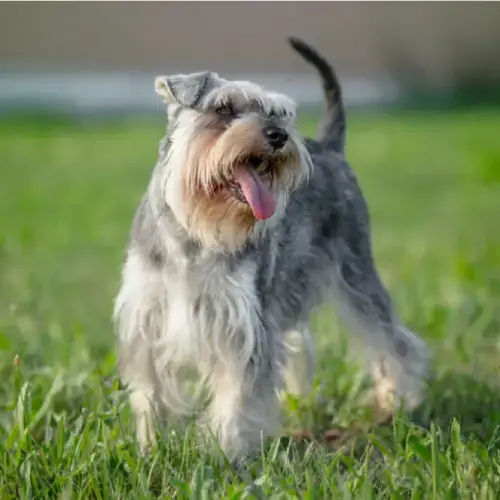 Regardless of size, Schnauzers share a few key needs. They are active, intelligent dogs that thrive on routine, mental challenges and regular engagement with their owners. Daily exercise is essential, ranging from brisk walks and playtime to more structured activities such as agility, tracking, or obedience.
Richardson said the Schnauzer drive to be active was also mental. “They need to think,” he said.
“Use puzzle toys plus training games, teach new tricks and rotate toys to keep things interesting.”7 Grooming is another important part of Schnauzer care. Their wiry coats require regular brushing and professional handstripping or clipping every few‑ months, depending on the preferred style. Routine care, such as regular visits to the groomers, nail trims, ear cleaning, and dental hygiene, helps prevent common problems and keeps your Schnauzer feeling their best.1 Aim to clip your Schnauzer pet every 8 weeks, Richardson said. “That iconic beard and coat require maintenance,” he said.
A balanced diet and careful portion control are also crucial for keeping your Schnauzer at a healthy weight, especially for Miniature Schnauzers, which can gain weight if overfed. All Schnauzer types benefit from high-quality nutritional dog food tailored to their size and energy level.
Schnauzer health problems
Every Schnauzer is unique, but each size category may have different pet needs and tendencies towards certain health issues. Understanding these common health problems can help pet owners spot them early and choose the right pet insurance coverage.
Choosing a reputable Schnauzer breeder is one of the most important steps in giving your dog the healthiest start in life. Responsible breeders prioritise temperament, well-being and long-term‑ health over appearance or profit. They complete essential genetic testing on parent dogs to screen for hereditary conditions seen in Schnauzers.
By selecting a breeder who values genetic health and transparency, you significantly reduce the risk of preventable issues and give your Schnauzer the best chance at a happy, healthy future.
Richardson said to ask for references from previous puppy buyers.
“A reputable Schnauzer breeder will be transparent, selective, and deeply invested in their dogs’ well-being,” he told Compare the Market.
Skin allergies and sensitivities
Many Schnauzers are prone to follicular dermatitis or allergies, which can cause itching, redness, skin infections or chronic ear problems.3 Management of these skin conditions may involve medicated washes, allergy medication, dietary changes or long-term veterinary care.
Bladder stones
Bladder stones in the urinary tract are relatively common in Schnauzers, which are genetically predisposed to forming certain types of urinary crystals.3 Symptoms may include frequent urination, blood in the urine, straining to pee, accidents in the house or signs of discomfort. In some cases, stones can cause blockages, which are medical emergencies.
Treatment varies depending on the size and type of stone and may include prescription diets, medications to help dissolve stones or surgery to remove them. Early diagnosis through urine testing and imaging can help prevent complications and keep your Schnauzer comfortable.
Ear infections
Schnauzers can also be prone to ear infections due to hair growth inside the ear canal, sensitivities, allergies or trapped moisture.5 Signs may include head shaking, scratching at the ears, redness, odour or discharge. Untreated infections can become painful and may lead to chronic ear problems, so early care is important.
Treatment often includes medicated drops, cleaning routines and addressing underlying causes such as allergies. Regular ear checks and gentle cleaning can help reduce the risk of recurring infections.
Eye conditions
Conditions such as cataracts and progressive retinal atrophy (PRA) may occur in Schnauzers.3 Early detection through regular eye exams is essential, and treatment may range from monitoring to surgery, depending on the condition.
Obesity
Obesity is a common health concern in Schnauzers, especially Miniature Schnauzers, which can gain weight quickly if meals and treats aren’t carefully managed.4 Carrying excess weight places added strain on the joints, increases the risk of diabetes and pancreatitis and can worsen existing heart or mobility issues.
Preventing obesity is far easier than treating it, so a measured low-fat diet, healthy treat choices and regular daily exercise are essential. If your Schnauzer does become overweight, your vet can help create a safe, gradual weight-loss plan to get them back to a healthy weight and keep them feeling happy and energetic.
Dental disease
Dental problems are very common in Schnauzers, particularly Miniature Schnauzers, which can develop plaque and tartar quickly if their teeth aren’t cared for consistently.4 Over time, untreated dental buildup can lead to gingivitis, painful infections, bad breath and even tooth loss.
In more severe cases, oral bacteria may enter the bloodstream and contribute to heart, kidney or liver issues. Early signs include yellowing teeth, reddened gums or reluctance to chew harder foods.
Pancreatitis
Miniature Schnauzers are especially prone to pancreatitis, an inflammation of the pancreas often linked to high-fat foods.4 Symptoms include vomiting, abdominal pain and lethargy. Treatment can be costly and sometimes requires hospitalisation.
Orthopaedic issues
Joint problems such as hip dysplasia can affect larger Schnauzers, particularly Giants and Standards.3 Miniature Schnauzers may experience patellar luxation.4 Treatment varies from supplements and physiotherapy to surgical correction.
Hypothyroidism
This condition occurs when the thyroid gland doesn’t produce enough hormones.3 Schnauzers with hypothyroidism may develop weight gain, hair loss and low energy. It is usually not life-threatening, and medication and ongoing monitoring are usually used to manage the condition well.
Liver shunt
A liver shunt is a congenital condition in Schnauzers, especially Miniatures, where blood bypasses the liver instead of being filtered normally.4 This can lead to poor growth, digestive upset or neurological symptoms such as confusion or tremors. Diagnosis usually involves blood tests and imaging.
Treatment may include a special diet, medication or surgery, depending on the severity. With early detection and good management, many dogs with liver shunts can live comfortable, healthy lives.
Heart disease
Giant and Standard Schnauzers may be predisposed to certain heart issues, making regular veterinary check-ups‑ particularly important for early detection and treatment. The most common issues involve the heart valves, where leakage can force the heart to work harder to create blood flow and gradually reduce exercise tolerance.
Early warning signs include reduced stamina, coughing after activity, rapid breathing at rest or fainting episodes. Regular check-ups, chest imaging and echocardiograms help your vet assess blood flow and pressure patterns, confirm a diagnosis and guide treatment. With timely medication, weight control and activity management, many Schnauzers with heart disease can remain comfortable and active for years.
Is pet insurance worth it for a Schnauzer?
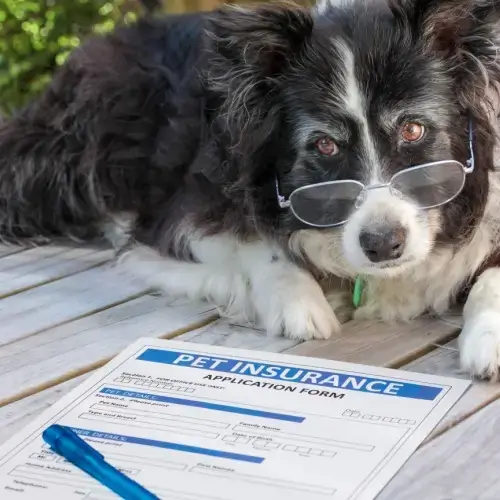 Yes, pet insurance is often a great choice for Schnauzer owners. These dogs can be prone to hereditary health conditions, chronic illnesses and sudden emergencies, all of which can lead to significant vet expenses. Insurance helps ensure you can choose the best treatment without worrying about the financial burden of the vet costs.
Always read the Product Disclosure Statement (PDS) and the Target Market Determination (TMD) to know what the inclusions and exclusions of your pet insurance policy are, and if the policy terms are the right fit for your furry friend.
Pet insurance can also encourage proactive healthcare throughout your policy period, allowing you to follow through with recommended diagnostics such as X-rays and MRI scans, treatments, and ongoing care that can improve your Schnauzer’s comfort and long-term‑ well-being.
Depending on the pet insurance plan you choose, you may also be eligible for routine care cover, which can help with your dog’s vet visits. Optional extras, such as routine care benefits, can cover vet consultations, vaccinations, annual health check-ups, desexing, teeth cleaning, and other preventive health treatments.
Independent problem‑solvers such as Schnauzers may be more inclined to explore their environment.7 This could increase the risk of accidents or injuries, making insurance a helpful safeguard.
How much is pet insurance for a Schnauzer?
According to our pet insurance data, the average monthly cost of insuring a Schnauzer is $88.79.6 This gives you a helpful benchmark while comparing policies, but your exact premium may be higher or lower based on the benefits and extras you select.
Dog insurance costs can vary depending on your cover option, dog breed, age, location, health history and chosen level of cover. Miniature Schnauzers often fall on the lower end of premium ranges, while Giants may cost more due to their size and associated health care expenses.
When reviewing quotes, look closely at what each plan includes. Policies that cover hereditary conditions, chronic illnesses, dental disease, orthopaedic issues and advanced diagnostics generally offer better long-term protection.
To find the best value, compare policies and review what each insurer includes in its accident-only and comprehensive (accident and illness) plans. Be sure to check your coverage for accidental injuries, hereditary conditions, skin and eye issues, and chronic illnesses.
How to get cheaper pet insurance for my Schnauzer?
Finding an affordable pet insurance plan for your Schnauzer is completely achievable with a bit of smart comparing. You can always start by comparing quotes and looking for savings opportunities, such as introductory discounts, multi-pet discounts or flexible excess options that let you lower your premium without sacrificing important cover. It also helps to consider whether you truly need accident-only cover or if a broader accident-and-illness policy offers better long-term value for your dog’s needs.
If a policy looks unusually cheap, take a moment to check what’s included. On the other hand, if a plan costs more, see whether you’re gaining meaningful extras such as higher reimbursement percentages, expanded vet support options or routine care benefits that could save you money in the long run.
Many providers also offer welcome promotions, such as a few free weeks of cover when you first sign up, or ongoing multi-pet discounts if you insure more than one furry family member. These small savings can add up over time and help you secure strong protection for your Schnauzer without stretching your budget.
What is the best pet insurance for my Schnauzer?
There isn’t a single “best” pet insurance for every Schnauzer, because the right policy depends on your dog’s size, age, health risks and what level of care you’d want to pursue if something went wrong. That said, there are clear factors that a pet owner should consider when making your pet insurance policy a good fit for your Schnauzers.
What factors should I consider when choosing pet insurance for my Schnauzer?
- Pre-existing conditions: Insuring your dog early is one of the most important things you can do, as any condition recorded in your dog’s medical history before the policy starts may be considered pre-existing, which may impact both premiums and eligibility for coverage. Taking out insurance while your dog is young and healthy helps secure broader lifetime protection and avoids unexpected exclusions later on.
- Hereditary and breed-related issues: Some breeds are more prone to certain health concerns, so it’s important to check whether your policy covers hereditary conditions. Choosing a plan that includes illness cover to ensure your dog gets the care it needs without leaving you with large out-of-pocket expenses.
- Reimbursement rate: Your reimbursement rate (often called the benefit percentage) determines how much of the vet bill your insurer will pay. A higher percentage can make a big difference during emergencies or major surgeries. While higher reimbursement often means a higher premium, it also means more financial support when unexpected health issues arise.
- Annual benefit limits: This is the maximum amount your insurer will pay each year. If you would choose advanced treatments, specialist care or major surgery for your dog, then opting for a higher annual limit provides greater security.
- Sub-limits: Some policies have sub-limits for certain conditions or services, such as dental procedures, behavioural therapy, cruciate ligament surgery or eye treatments. Ensure that you have eligible claim amounts for the sub-limits that matter.
- Waiting periods: All policies have waiting periods before certain benefits become active. Illness waiting periods can range from a few days to several weeks, and orthopaedic conditions often have the longest delays.
- GapOnly availability: GapOnly allows the participating vet to process the pet insurance claims in the clinic, so you only pay the remaining “gap” instead of the entire bill upfront. This can greatly ease financial stress during emergencies or big treatments.
- Excess options: Your excess is the amount you pay when making a claim. Plans with higher excesses usually have lower premiums, but you’ll pay more out-of‑pocket at claim time.
- Chronic condition cover: Some policies may restrict chronic condition cover, so always check that ongoing illnesses are included for the life of the policy.
- Customer support and clarity: Choose an insurer with a clearly written product disclosure statement (PDS) and accessible support.
Compare pet insurance quotes online for your Schnauzer.
Compare pet insurance quotes online and see which policies could offer the best value and cover for your Schnauzer.
Meet our pet insurance expert, Adrian Taylor
As a General Insurance expert with over 13 years’ experience in financial services, Adrian Taylor knows that dogs and cats get themselves into all sorts of mischief. One part of Adrian’s work is to help empower consumers to understand how pet insurance can help save them from exorbitant vet bills when their pet gets injured or falls ill.
Want to know more about pet insurance?
1 American Kennel Club (AKC). Dog breed – Schnauzer. Accessed March 2026.
2 PetMD. Dog Breed – Giant Schnauzer. Accessed March 2026.
3 PetMD. Dog Breed – Standard Schnauzer. Accessed March 2026.
4 PetMD. Dog Breed – Miniature Schnauzer. Accessed March 2026.
5 Vet Organics. Causes and Prevention of Ear Infections in Schnauzers. Accessed March 2026.
6 CTM. Obtained from completed Schnauzer quotes on our comparison service. The data collected consisted of the average highest and average lowest monthly quotes, which were then used to derive the average monthly cost of pet insurance for a Schnauzer. Data collected from CTM completed quotes 2024.
7 MARS. Breed-Specific Cognition and Behaviour: A Comparative Study of 8-week-old Border Collies and Standard Schnauzers. Updated April 2025. Accessed April 2026.