

Medium dog breeds





What dogs are medium-sized?
Medium-sized breeds include dogs such as the Australian Cattle Dog, Border Collie or Golden Retriever and can weigh 10-25kg. Medium dogs are one of the most popular dog breeds that Australians seek out, as they are known for their adaptability, active nature, and loving demeanour, making them great family pets for dog owners.
What are the characteristics of medium dog breeds?
Medium dog breeds are known for their balanced energy levels, adaptability and manageable care needs, which make them suitable for living in many different environments.
- Energy levels: Many medium breeds are high-energy dogs that require regular exercise, making them perfect companions for joggers, hikers and active families.
- Adaptability: These dogs can adapt to various living environments, including apartments (if they get plenty of exercise) and homes with backyards.
- Temperament: Medium-sized dogs usually have friendly, balanced temperaments. They are big on outdoor adventures but small enough to manage daily routines.
- Maintenance: Grooming needs may vary across different breeds but medium dogs often require less demanding upkeep compared with larger breeds.
Popular medium dog breeds in Australia
Medium dog breeds are among the most popular choices for Australian households as they strike a good balance in size, lifestyle compatibility and temperament. Popular dog breeds at this size include Basset Hound and Border Collie, though it’s worth knowing the temperament of each animal before you consider your new furry friend.
Australian Cattle Dog (Heeler)
 Size: 15–22kg
Temperament: Loyal, active and intelligent, this working breed thrives in homes with lots of space to explore.1 They’re perfect for active and experienced dog owners.
Alaskan Malamute
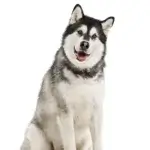 Size: 34–43kg (technically a large breed but sometimes categorised as medium for their activity needs)2
Temperament: Strong, friendly and highly energetic, Alaskan Malamutes are working dogs bred for sledding.2 They thrive in homes with plenty of space and require consistent training and exercise.
Australian Shepherd (Aussies)
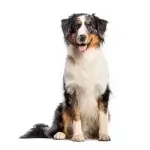 Size: 18–25kg3
Temperament: Like their German counterparts, Australian shepherds are herding dogs that thrive on activity and mental challenges.3 They are energetic, intelligent and loyal, making them ideal for active owners who enjoy hiking or training their dog in agility and obedience.
Basset Hound
 Size: 20–27kg4
Temperament: Gentle, relaxed and friendly, Basset Hounds are excellent companions for quieter households.4 Their floppy ears and soulful expressions make them endearing, though they require moderate exercise to prevent weight gain.
Bearded Collie
 Size: 18–27kg5
Temperament: Energetic, friendly and sociable, Bearded Collies are lively herding dogs that thrive in active families who can provide plenty of exercise and mental stimulation.5
Beagle
 Size: 9–14kg6
Temperament: Friendly, curious and energetic, Beagles are a popular breed for active families.6 Their keen sense of smell and love of adventure makes them a great hunting dog and an excellent outdoor companion.
Border Collie
 Size: 13–20kg7
Temperament: Intelligent, energetic and highly trainable, Border Collies excel at obedience and agility sports.7 They require ample physical and mental stimulation to stay happy.
Cocker Spaniel
 Size: 12–15kg8
Temperament: Affectionate, gentle and playful, Cocker Spaniels are ideal for families and individuals.8 Their silky coats require regular grooming, and they thrive with moderate exercise.
English Bulldog
 Size: 18–23kg9
Temperament: Calm, loyal and easy-going, English Bulldogs are a low-energy breed perfect for more relaxed households.9 Despite their stocky build, they’re affectionate and gentle with children.
Golden Retriever
 Size: 25–32kg (may fall into medium-to-large classification, depending on size)10
Temperament: Friendly, loyal and highly trainable, Golden Retrievers are among the most popular family dogs.10 Their loving nature and intelligence make them great companions suitable for various roles, including therapy and service work.
Standard Poodle
 Size: 20-32kg (may fall into medium-to-large classification, depending on size)
Temperament: Poodles are incredibly smart and easy to train.16 They are agile, graceful, and bright. They enjoy and succeed at various canine activities, such as agility, obedience, and tracking. They are superb water dogs and can be trained to compete in dock diving and retriever hunt competitions.
Schnauzer (Standard)
 Size: 14–20kg11
Temperament: Spirited, alert, and protective, Standard Schnauzers are versatile companions and can be great watchdogs.11 Their wiry coats are low shedding but need regular grooming.
Shetland Sheepdog
 Size: 6–12kg12
Temperament: Intelligent, agile and devoted, Shetland Sheepdogs are excellent for families who enjoy outdoor activities and training sessions.12
Whippet
 Size: 9–14kg13
Temperament: Gentle, calm and affectionate. Whippets look much like greyhounds but are smaller and more compact.13 They are sprinters who enjoy short bursts of exercise followed by long naps, making them great for quieter households.
What health issues are common in medium dog breeds?
Medium dog breeds generally tend to have fewer structural health problems than larger dogs but can still develop conditions such as hip dysplasia, obesity and eye or ear issues.
Regular veterinary care, exercise and nutrition can reduce the risks. See below for more information.14
Hip dysplasia: Common in active breeds such as Border Collies and Australian Cattle Dogs.
Obesity: Bulldogs and Beagles are particularly prone to weight gain without proper diet and exercise.
Ear infections: Floppy-eared breeds such as Cocker Spaniels are susceptible to ear issues.
Eye problems: Beagles and Schnauzers can develop cataracts or vision problems as they age.
Is pet insurance worth considering for medium dog breeds?
Pet insurance can help cover unexpected veterinary costs related to accidents, illnesses or hereditary conditions common in medium dogs.

It also helps offer financial peace of mind and ensures your medium-sized dog receives care in case of accidents, illnesses or breed-specific health issues. Many medium breeds, such as Border Collies and Australian Shepherds, are prone to conditions such as hip dysplasia, while others, such as Basset Hounds, may face ear infections or spinal problems. Insurance can help cover costly treatments, emergency care and even routine check-ups if you choose a comprehensive plan.
Always compare a range of pet insurance plans and consider breed-specific risks, policy exclusions and payout limits. Signing up for a policy early while your dog is young and healthy usually ensures policy eligibility requirements are met and lower premiums. With pet insurance, you can focus on giving your furry friend the care they deserve without worrying about unexpected veterinary bills. It’s often an investment that helps gives you great dog healthcare and peace of mind.
Always read the Product Disclosure Statement (PDS) and the Target Market Determination (TMD) to ensure you know what your policy covers and that the product is suitable.
Is a medium dog breed right for you?
Medium dog breeds might be right for you if you want a balance of companionship and manageability, as they have less space and cost demands than a larger dog. These breeds can live comfortably indoors but also will enjoy outdoor adventures.
A medium-sized dog could be a perfect fit if you lead an active lifestyle or want a loyal family companion. They’re often great with children, adaptable to various living situations, and offer endless love and companionship, making them perfect for even first-time dog owners. Some of the things to consider before getting a medium-sized dog are:15
How much activity and exercise can you provide?
Medium-sized dogs generally need moderate amounts of consistent daily exercise to stay healthy and mentally balanced. These breeds often have high energy levels too, with regular activity helping them stay happy and well-behaved. Breeds such as the Australian Shepherd and Border Collie thrive with vigorous exercise, such as long walks, hiking or agility sports. Similarly, Alaskan Malamutes need space to run and engage in activities such as pulling weights that cater to their instincts.
Lower-energy breeds such as the Bulldog or Basset Hound are content with shorter daily walks and indoor playtime. Regardless of the breed, medium dogs need at least 30–60 minutes of exercise daily to maintain a healthy weight and avoid boredom-related behaviours.
Living environment suitability
Medium-sized dogs require certain living environments based on their breeds, which is important to keep in mind when looking out for their health and well-being. Medium dogs balance the needs of small dog breeds that thrive indoors and large dog breeds that need ample outdoor space, making them an adaptable pet. While some breeds thrive in spacious homes with backyards, others can live comfortably in apartments or urban settings if their exercise needs are met.
Apartment living: Breeds such as the Bulldogs and Beagles can adapt to smaller spaces with sufficient outdoor exercise.
Homes with backyards: Breeds such as the Australian Cattle Dog and Border Collie benefit greatly from access to outdoor spaces where they can run and play.
Family suitability
Medium dog breeds are often a great fit for families due to their size, temperament and adaptability. Many medium dogs are:
Great with kids: Breeds such as the Golden Retriever, Beagle and Cocker Spaniel are gentle, affectionate and patient with children.
Protective companions: Medium breeds such as the Standard Schnauzer and Australian Cattle Dog can be protective, offering loyalty and security for families.
Playful: Dogs such as the Australian Shepherd and Border Collie are ideal companions for active families because of their playful nature.
Additionally, their manageable size reduces the risk of accidental injuries when playing with younger children compared to larger breeds. Medium dogs can also thrive in multi-pet households when properly introduced and socialised.
Grooming requirements
Regardless of breed, all dogs benefit from regular nail trims, dental care and occasional baths to stay clean and healthy. The grooming needs of medium breeds vary depending on coat type:
Low maintenance: Breeds such as the Beagle and Bulldog have short coats that require minimal grooming, usually a weekly brush to control shedding.
Moderate maintenance: Dogs such as the Australian Cattle Dog or Border Collie may need brushing a few times weekly to prevent matted and loose fur.
High maintenance: Breeds such as the Cocker Spaniel require regular brushing, professional grooming and coat trims to maintain silky coats and prevent tangling.
Training and intelligence
Medium dog breeds often display exceptional intelligence and trainability. Positive reinforcement, patience and consistency are essential for training any medium breed. Early socialisation ensures they grow into well-behaved, confident adult dogs.
Highly intelligent dog breeds: Dogs such as the Border Collie, Golden Retriever and Australian Shepherd excel at learning commands, agility sports and advanced tricks. Mental stimulation through obedience training, puzzle toys or interactive games is key for these dogs.
Stubborn or independent breeds: Breeds such as the Bulldog may require extra patience and consistency during training sessions due to their independence.
Life expectancy and care
Medium dog breeds generally enjoy a lifespan of 10–15 years, depending on their breed, health and care. They are loyal dogs that will love you all their lives. With attentive care, many medium-sized dogs live healthy, happy lives well into their senior years. To promote longevity and well-being, focus on:
Regular vet visits: Routine check-ups help catch health concerns early, such as hip dysplasia or obesity.
Proper nutrition: A balanced diet tailored to their breed, age and activity level prevents weight gain and supports energy needs.
Preventive care: Vaccinations, flea/tick prevention and dental hygiene are crucial for long-term health.
Meet our pet insurance expert, Adrian Taylor
As a General Insurance expert with over 13 years’ experience in financial services, Adrian Taylor knows that dogs and cats get themselves into all sorts of mischief. One part of Adrian’s work is to help empower consumers to understand how pet insurance can help save them from exorbitant vet bills when their pet gets injured or falls ill.
Want to know more about pet insurance?
1 American Kennel Club. Australian Cattle Dog Breed Traits and Characteristics. Accessed April 2026.
2 American Kennel Club. Alaskan Malamute Breed Traits and Characteristics. Accessed April 2026.
3 American Kennel Club. Australian Shepherd Breed Traits and Characteristics. Accessed April 2026.
4 American Kennel Club. Basset Hound Breed Traits and Characteristics. Accessed April 2026.
5 American Kennel Club. Bearded Collie Breed Traits and Characteristics. Accessed April 2026.
6 American Kennel Club. Beagle Breed Traits and Characteristics. Accessed April 2026.
7 American Kennel Club. Border Collie Breed Traits and Characteristics. Accessed April 2026.
8 American Kennel Club. Cocker Spaniel Breed Traits and Characteristics. Accessed April 2026.
9 American Kennel Club. English Bulldog Breed Traits and Characteristics. Accessed April 2026.
10 American Kennel Club. Golden Retriever Breed Traits and Characteristics. Accessed April 2026.
11 American Kennel Club. Schnauzer Breed Traits and Characteristics. Accessed April 2026.
12 American Kennel Club. Shetland Sheepdog Breed Traits and Characteristics. Accessed April 2026.
13 American Kennel Club. Whippet Breed Traits and Characteristics. Accessed April 2026.
14 PetMD. How to keep medium-sized dogs healthy at every life stage. Accessed April 2026.
15 VCA Animal Hospitals. Factors to consider in pet selection – dogs. Accessed April 2026.
16 American Kennel Club. Standard Poodle Breed Traits and Characteristics. Accessed April 2026.