

Pet insurance for Pomeranians





Pomeranians as a pet
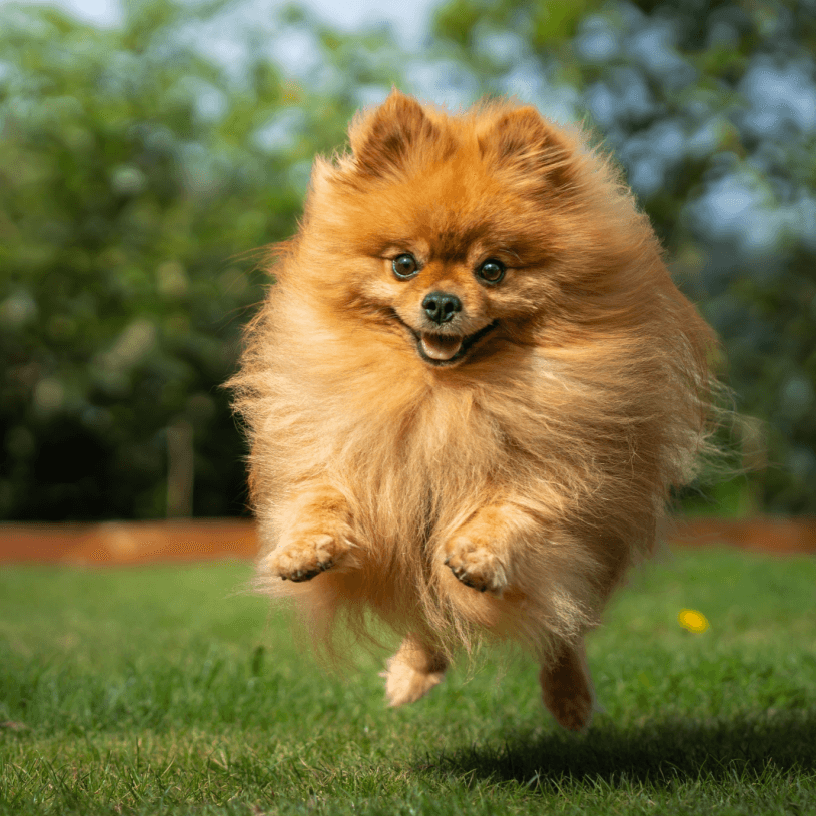
Pomeranians, or “Poms” as they’re affectionately known, are rapidly becoming a popular choice for Australian pet owners looking for a small, yet lively companion. With their thick, fluffy coats and confident personalities, Poms are often seen as the perfect little dog for urban living.
Pomeranians thrive when they’re enjoying walks through parks, cuddles on the couch and plenty of playtime. With a lifespan of 12 to 16 years, Pomeranians offer a delightful combination of fluff, fun and loyalty that makes them an irresistible choice for dog lovers.1
Are Pomeranians good pets?
Pomeranian dogs are fantastic pets if you can provide them with the attention, care and training they need. Their playful and affectionate nature makes them great companions.
Size and space needs
The Pomeranian breed is a small dog breed, making them ideal for apartment living or homes with limited space.
Energy level
Pomeranians are surprisingly energetic for their size.2 They’re playful and can be quite curious, so they enjoy mental and physical stimulation. They can go from being active little explorers to calm lap dogs in a matter of minutes, but their energy needs shouldn’t be overlooked.
Temperament
Poms have a bold, extroverted nature and love to be the centre of attention.2 They can be wary of strangers, so pet parents need to train and socialise them from a young age to prevent excessive barking. They’re known to be quite alert and make excellent watchdogs, often barking at new visitors or unusual sounds.
Training
Pomeranians are eager to please, which makes them easy to train.2 However, their stubborn streak can sometimes make them a bit challenging, so consistency and patience are key. Start socialisation and basic obedience training early to help your Pomeranian develop good habits. Early training will also prevent behavioural problems like excessive barking or separation anxiety.
Grooming
One of the defining features of the Pomeranian is its thick, fluffy double coat. While adorable, it requires regular grooming to prevent coat loss, mats and tangles.2 Brushing a Pomeranian’s coat several times a week is necessary to keep it healthy and to minimise shedding. Additionally, they might need to occasionally go to the professional groomer to keep their coat looking its best.
Health concerns
Pomeranians are generally a healthy breed, but like all dogs, they can be prone to certain health issues, including dental problems, heart disease, and joint issues like patellar luxation. Regular vet check-ups and a healthy diet are crucial to keeping your Pomeranian in good shape. Poms have small mouths, which makes them prone to dental issues, so routine tooth brushing and dental checks are highly recommended.
Suitability for families
Pomeranians can be great family pets, but because they are small, they may not be the best choice for homes with very young children. They can also be a bit fragile, so careful handling is required for their wellbeing. Pomeranians are good for homes where they are given attention, affection and proper care. They thrive in environments that are calm and where they can feel safe and secure.
Social needs
Pomeranians are social dogs and love being around people and other pets. While they can be independent at times, they generally prefer being involved in family activities. They can do well with other pets if properly introduced and socialised from a young age.
What are the common Pomeranian health problems?
While each Pomeranian is an individual with unique needs, there are several common health issues that are more prevalent in the breed. Understanding these Pomeranian health issues will allow you to better spot the symptoms and help you make informed decisions about your pet’s health.
Cushing’s disease
Cushing’s disease, also known as hyperadrenocorticism, is a hormonal condition that can affect Pomeranians, especially older dogs.4 It occurs when the body produces too much cortisol, a hormone that helps manage various bodily functions. Common signs include:
- Increased thirst and urination
- A bigger appetite
- Tiredness
- A swollen belly
- Thinning skin.
Because Pomeranians are small toy breed dogs, it’s important to detect and treat this condition early.
Dental issues
Pomeranians are notorious for dental problems due to their small mouths and crowded teeth.1 This makes them highly susceptible to periodontal disease, tartar build-up and tooth decay. Regular dental care, such as brushing their teeth and professional cleanings, is necessary to keep their teeth and gums healthy.
Alopecia X
Pomeranians are prone to alopecia, a condition that causes severe hair loss, which can be distressing for both pets and their owners.1
It’s recommended that you bring your pom for regular professional grooming and annual check-ups, as groomers and vets are trained to spot signs of alopecia and can help address the symptoms promptly.
Hypoglycemia
Hypoglycemia, or low blood sugar, is another common issue in Pomeranians, especially in younger dogs and puppies under one year old.1
Monitoring their behaviour and activity levels can help you detect any signs of low blood sugar early, enabling prompt intervention and care.
Luxating patella
Patella luxation occurs when the kneecap (patella) dislocates or moves out of place, causing pain and discomfort.1 In severe cases, surgery may be required to correct the issue. Pomeranians are more prone to luxating patella due to their small size and genetic factors.
Eye disease
Pomeranians are susceptible to various eye problems such as cataracts and progressive retinal atrophy (PRA), which can affect their vision and overall quality of life.1 Regular eye exams are essential for early detection and management of these issues.
Symptoms may include cloudiness in the eyes, difficulty seeing, squinting, excessive tearing or redness.
Tracheal collapse
Pomeranians are also prone to respiratory issues, such as a collapsed trachea, which is a condition where the windpipe weakens and narrows, making it harder for the dog to breathe.1 In severe conditions, dogs may need to undergo surgery, but the condition can mostly be managed through medication.
Obesity
Due to their small size and high metabolism, Pomeranians are prone to gaining weight quickly if not properly managed.1 Obesity may lead to joint issues, heart disease and diabetes, so it’s important to maintain a healthy diet by feeding high-quality dog food and ensuring adequate exercise.
Reverse sneezing
Reverse sneezing is a common phenomenon in Pomeranians that can be concerning for pet owners, but it’s generally harmless.1 This occurs when a dog rapidly inhales air through the nose, often making a snorting or honking noise.
Is pet insurance worth it for a Pomeranian?
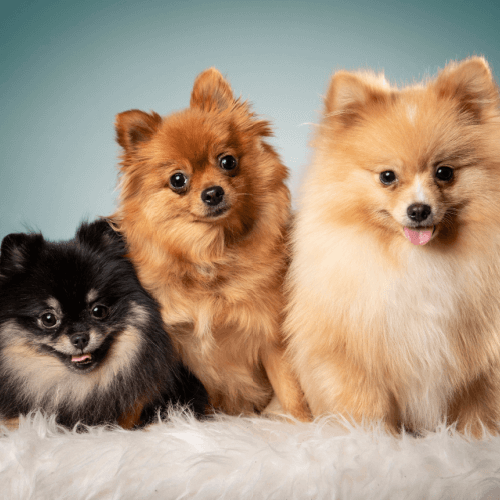 Pomeranian pet insurance may be worth it for owners as it offers financial protection. Unexpected health issues can arise at any time, and being prepared for the unexpected may give you peace of mind. Knowing that you have insurance coverage can help reduce stress when your Pom needs medical attention, allowing you to focus on their recovery rather than worrying about your financial situation.
Vet bills, particularly in the case of emergencies or surgery, can be expensive. The cost of diagnostics like X-rays and MRIs, surgeries, medications and rehabilitation can easily add up to thousands of dollars without dog insurance, particularly if they develop a chronic condition.
With pet insurance, you pay a monthly premium and only a small excess (deductible), while the policy helps cover the rest of the cost. This can be a lifesaver when your Pom faces a major health emergency.
Many accident and illness cover (comprehensive insurance plans) also add on covers for routine care, which include wellness plans such as annual check-ups, vaccinations, dental care and screenings. Early detection of health problems is key to preventing serious conditions from developing, and insurance coverage can make it easier to stay on top of preventive care.
How much is pet insurance for Pomeranians?
When it comes to insuring your Pomeranian, the cost of pet insurance can vary depending on several factors. Factors that may influence your pet insurance cost:
- Age: For most pet insurance policies, starting earlier means your policy will typically have lower premiums since the pets are less likely to have pre-existing health conditions. However, as they age, the cost of your insurance cover may rise due to the increased likelihood of health issues.
- Level of cover: Most pet insurance policies offer choices between accident-only cover and accident and illness cover. Accident-only cover is considered a lower level of cover and usually only includes emergency care, while accident and illness covers are more comprehensive plans that may cover sickness such as cancer and hereditary diseases. Comprehensive plans may also include routine care add-on options that may help cover the cost of annual health checks, vaccinations, dental care and even behavioural therapy.
- Health history: If your dog’s breed has a history of certain health conditions or if they’re prone to specific breed-related issues, this could affect the cost of insurance.
- Excess: Like any insurance, the amount you are willing to pay in excess (the amount you pay towards a claim) can influence your monthly premium. Opting for a higher excess could lower your premiums, but it means you’ll pay more out-of-pocket when you make a claim.
Always read the Product Disclosure Statement (PDS) and the Target Market Determination (TMD) to understand the inclusions and exclusions of the pet insurance plan and determine if it’s the right fit for you.
What factors should I consider when choosing insurance for my Pomeranian?
When shopping for pet insurance, it’s essential to choose a plan that aligns with your Pomeranian’s specific needs. Here are a few things to consider:
Level of cover
Look for a policy that covers a wide range of potential health issues, including accidents, illnesses, surgeries and chronic conditions. This is especially important for Pomeranians, who are prone to specific breed-related health problems.
Cover for hereditary and congenital conditions
Pomeranians are prone to hereditary conditions like luxating patella, heart disease and tracheal collapse. Make sure that the policy covers these conditions, as they are often excluded from basic plans.
Waiting periods
When choosing a pet insurance policy, pay attention to the waiting periods associated with coverage. Ensure that you understand the duration of these waiting periods, as they can vary significantly between providers.
Opt for a policy that offers minimal waiting times, especially for conditions that may occur when your dog is young.
Exclusions
It’s important to read your PDS and be aware of any exclusions in your pet insurance policy. Depending on your insurer, the policy may have specific exclusions that limit coverage for certain conditions or circumstances, such as pre-existing conditions, hereditary issues, or elective procedures.
Annual limits
When evaluating pet insurance policies, consider the annual limits on coverage. These limits refer to the maximum amount the insurer will reimburse you for claims within a policy year. Depending on the policy, these benefit limits and sub-limits can vary.
Be sure to assess your dog’s health needs and potential costs when determining the appropriate level of cover that will best protect your pet throughout the year.
Affordable premiums
Insurance premiums for small breeds like Pomeranians are typically lower, but it’s still important to find a plan that fits within your budget. Compare the cost of premiums to the amount that you are paying to see if you can find a great deal for cover within your financial budget.
Flexibility in vet choice
Some insurance providers may limit the vets you can see under their plan, so consider choosing a policy that gives you the flexibility to visit your trusted vet.
Meet our pet insurance expert, Adrian Taylor
As a General Insurance expert with over 13 years’ experience in financial services, Adrian Taylor knows that dogs and cats get themselves into all sorts of mischief. One part of Adrian’s work is to help empower consumers to understand how pet insurance can help save them from exorbitant vet bills when their pet gets injured or falls ill.
Want to know more about pet insurance?
1 PetMD. Dog Breeds – Pomeranians. Accessed September 2025.
2 American Kennel Club (AKC). Dog breeds – Pomeranians. Accessed September 2025.
3 WebMD. Seizures in Dogs: Causes, Symptoms, and What to Do. Accessed September 2025.
4 VCA Animal Hospitals. Cushing’s Disease in Dogs. Accessed September 2025.