

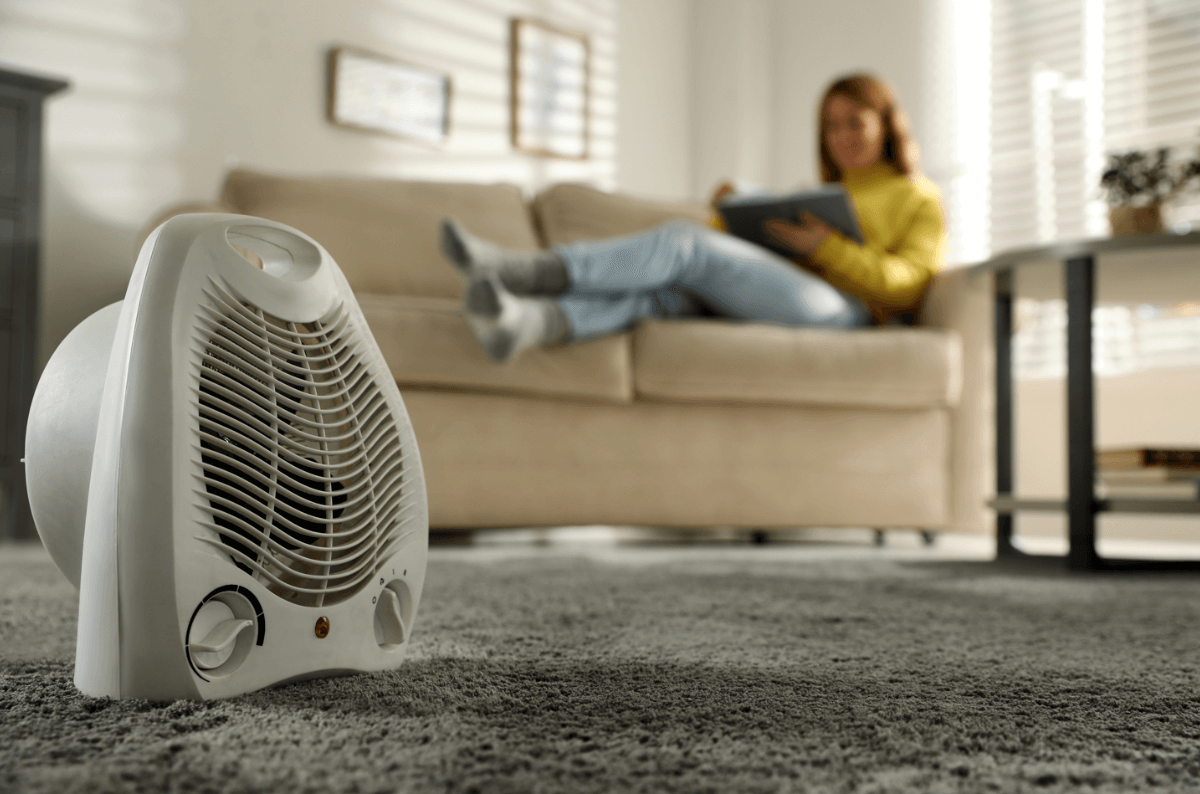
As the mercury continues to dip around the country, more than half of Australians surveyed have admitted that they’ll switch off their heating in a bid to beat high electricity bills, according to new Compare the Market research.*
A new survey found that 51.27% of Australians would be either highly likely (25.93%) or somewhat likely (25.34%) to keep their heater turned off to save money during the colder months. One in five survey respondents (20.73%) said they might consider turning off heating to lower their electricity bills.
Conversely, 15.72% of Australians surveyed said they were somewhat unlikely to keep their heater turned off to save money, while 6.48% completely ruled out a switch-off to save. Just 5.8% of respondents said they didn’t own a heater.
Compare the Market’s Head of Energy Meredith O’Brien said Australians shouldn’t have to choose between shivering in the cold or being able to afford their electricity bills.
“Winter shouldn’t be a season where Australians feel forced to choose between staying warm and keeping their electricity bills manageable, but that’s the reality many households are facing as we’re hit with higher costs across the board,” Ms O’Brien said.
“While we’ve seen the comparison price set by the Australian Energy Regulator fall in some regions, the reality is that the majority of households are on market offers with their energy providers and have seen their usage or supply charges increase. Without the government energy bill rebates we’ve had over the past few years to cushion high costs as well, it’s going to be a struggle for some people.
“While everyone wants to keep costs down, it’s important to find ways to stay comfortable without unnecessarily driving up your power bill.”
Ms O’Brien said small changes to how Australians heat their homes can really add up and make a meaningful difference.
“Many people assume they need to blast the heater to warm up quickly, but that can be one of the most expensive ways to stay comfortable,” Ms O’Brien said. “Instead, try setting your heater to a moderate temperature between 18 and 20 degrees and focus on keeping that warm air inside. Every degree warmer can add up to 10% to your energy costs.
“Other simple measures such as sealing draughts, closing doors to unused rooms and shutting windows and closing curtains and blinds properly can help your home hold onto warmth for longer, meaning your heater doesn’t have to work as hard. Improving your home’s insulation against the cold can significantly reduce heating costs over winter.”
Ms O’Brien also warned that the type of heater Australians use can have a major impact on running costs.
“Not all heaters are created equal when it comes to energy efficiency. Some cheaper portable units can end up costing more to run over time than more efficient heating systems,” Ms O’Brien said.
Ms O’Brien said several factors can also influence how much households ultimately pay for heating, including:
- How often the heater is used
- The size and heating capacity of the unit
- Whether the heater is suitable for the size of the room being heated
- The appliance’s energy-efficiency rating
- Electricity usage rates under the household’s energy plan
“While heating can be one of the biggest contributors to winter electricity bills, there are plenty of opportunities to reduce costs elsewhere in the home. If your electricity bill is rising, it doesn’t mean you have to accept it,” Ms O’Brien said.
“Tracking your usage, reviewing your energy plan, and running appliances more strategically can all add up to meaningful savings. In many cases, households could save money simply by comparing in a matter of minutes what’s available in the market and switching to a better-value plan.”
Meredith O’Brien’s top tips for managing higher electricity bills
Track your electricity usage
Monitor your energy consumption through graphs on your energy bill, smart meters, online portals or in-home displays where available. Keeping a closer eye on usage can help identify habits that are unnecessarily driving up costs.
Hot water can be up to 30% of your bill
If your home uses electric water heating, reducing shower times can help lower both electricity and water costs. Running washing machines on cold-water cycles can also significantly reduce energy consumption.
When you use energy can matter
Households on time-of-use or demand-based tariffs should be mindful of when they use high-energy appliances. Where possible, shift energy-intensive tasks to cheaper off-peak periods. Households on plans that offer ‘free’ power for set hours during the middle of the day should also shift usage to these times to maximise value.
Make the most of solar and batteries
Homes with rooftop solar can save by running appliances, charging devices and scheduling household tasks during daylight hours when solar panels are generating electricity. Or, if you have a battery, store solar power and use it at a time that’s more convenient for you.
Compare energy plans regularly
Households that stay on the same plan for years may miss out on cheaper alternatives. Reviewing available plans could help reduce ongoing energy costs.
*Compare the Market commissioned PureProfile to survey 1,018 18+ aged Australian adults, conducted July 2026.