

Travel insurance for New Zealand


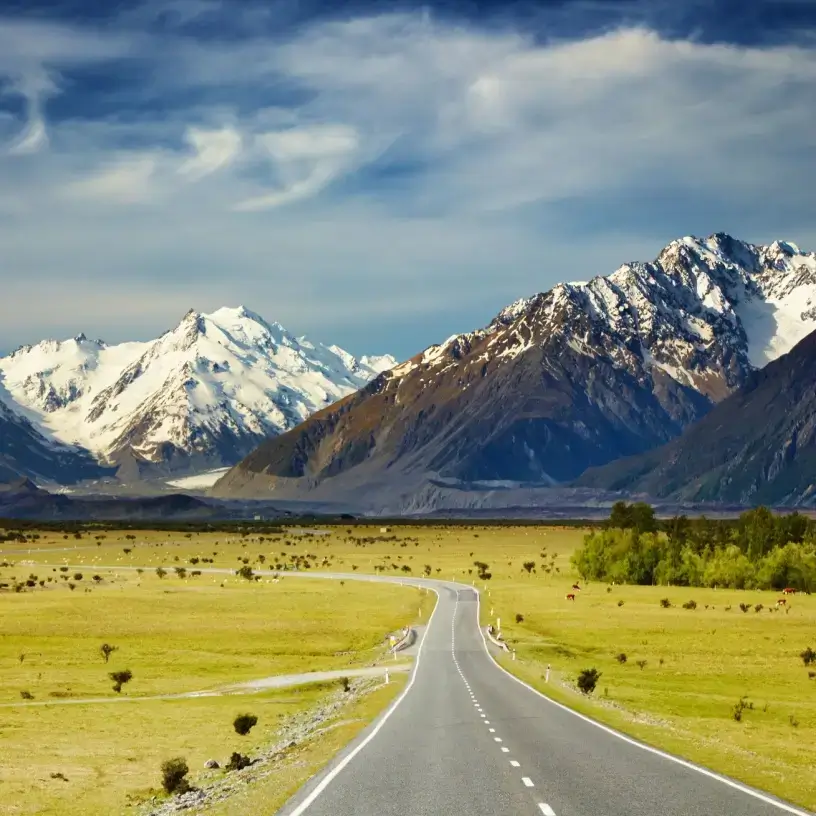

Travel insurance tips: New Zealand
Catriona Rowntree’s top travel insurance tips for New Zealand.

Catriona Rowntree
Travel


Video Transcript
Hello. I’m Catriona Rowntree, host of Australia’s longest-running travel and lifestyle show, Getaway. And today, I want to talk to you about travel insurance
for a trip to New Zealand. Aussie travellers love New Zealand. Whether you’re looking for adventure or a chance to unwind and pamper yourself, the opportunities
in New Zealand are endless, no matter your style. But like with any destination, travel insurance should be one of your first considerations
when planning giving you that peace of mind should something happen while you’re holidaying. Now, comparing policies makes it easy to find the right policy
for you and your trip and make sure you’re reading the product disclosure statement, the PDS so you are aware of limits, conditions and exclusions.
This is especially important if you are planning on doing any of the New Zealand favourites like skiing, taking a cruise or going on a driving holiday.
As these holidays typically call for a higher level of cover for things like lost luggage, cancellation fees, and unexpected emergency accommodation
and travel expenses. If you’re hiring a car, a policy with additional cover may be a cheaper option than paying the rental companies excess if you’re involved in an accident. Now,
it’s a really smart move when applying for insurance to look for a policy that allows you to declare any pre-existing medical conditions.
So that the insurer can decide whether to provide cover for them or not. That way, you can enjoy your trip, understanding what you are and aren’t covered for,
and won’t be caught out in a pinch if something does happen. And finally, if you love it so much, you plan on going more than once.
It’s a really good move to consider an annual policy to get the best value. And you’ll be covered for a full year
up to a maximum amount of days per trip. You know, navigating what travel insurance is right for you. It does not have to be difficult. And by comparing,
you could save time and money. Compare the Market can help you compare travel insurance policies online in minutes. So you can travel with confidence.
Why take out travel insurance for New Zealand?
Travel insurance can help provide you peace of mind in the event any unforeseen events disrupt your trip or cancel it altogether. Your policy may include a number of benefits, depending on your level of cover, including:
- Medical cover, as Australia and New Zealand’s Reciprocal Health Care Agreement with each other will typically only cover emergency medical treatment.
- Cancellation cover if your trip is disrupted by an injury, illness or other covered issue and you need to cancel your trip part-way through or before it even begins.
- Cover for natural disasters if one occurs unexpectedly and you need to pay for unexpected accommodation, transport costs or additional expenses, such as cancelled tours.
Choosing travel insurance for New Zealand
If you’re looking to get travel insurance for New Zealand, there are a few things you should consider when choosing a policy that suits your needs:
- New Zealand is a great place to go skiing, but it’s important to make sure you have ski cover so you may have coverage for things such as on-piste injuries or reimbursement for ski passes if the slopes are closed due to bad weather.
- If you’re looking to drive around, it’s a good idea to get rental car excess cover in case your vehicle is damaged and you need to pay the rental company an excess.
- Depending on whether you’re travelling alone, visiting for business or taking a family holiday, consider what type of travel insurance is the best fit for your travel plans.
Expert tips for choosing the right travel insurance for New Zealand
To help you decide on a policy that suits your trip’s needs, our travel insurance expert, Adrian Taylor, has some first-class tips for you.

Adrian Taylor
Executive General Manager – General Insurance
Consider what cover your holiday needs
A suitable policy may include cover for medical expenses, cancellation fees, personal liability, luggage and rental vehicle excess. Depending on your itinerary, you may also need additional coverage for cruise or ski holidays.
Declare your pre-existing conditions
Always declare any pre-existing medical conditions as part of your travel insurance application, as not all pre-existing conditions are covered. Some conditions may require an additional premium to be covered for related medical costs while overseas.
Frequent travellers may prefer annual cover
If you plan to take three or more single trips throughout the year, you may find greater value in purchasing an annual multi-trip policy. Also known as annual cover, it can cover all your trips – up to a maximum number of days per trip – for a full year.
About travel insurance for New Zealand
Does an Australian need travel insurance for New Zealand?

International travel insurance is always a smart idea, no matter where you’re travelling. In 2022, the Australian Consulate Emergency Centre received an average of 182 calls a day asking for assistance from Australians travelling overseas.1
Getting travel insurance cover can help protect your wallet from many things that can go wrong on your trip, such as an injury or weather complications. Luckily, the right travel insurance can help ease these situations.
What to do in an emergency in New Zealand
If you have an accident, do as you would in Australia and contact emergency services – the number is 111 in New Zealand. You can also contact the Australian consulate for travel advice and 24/7 emergency assistance.
Once the situation has been resolved, contact your travel insurer (ideally within 24 hours) and let them know what happened to begin the claim. You may need to provide your insurer with a copy of any relevant documents, such as a police report or medical bills to make a claim, so make sure you ask for one when reporting the incident.
Inclusions and exclusions
What should travel insurance for New Zealand cover?
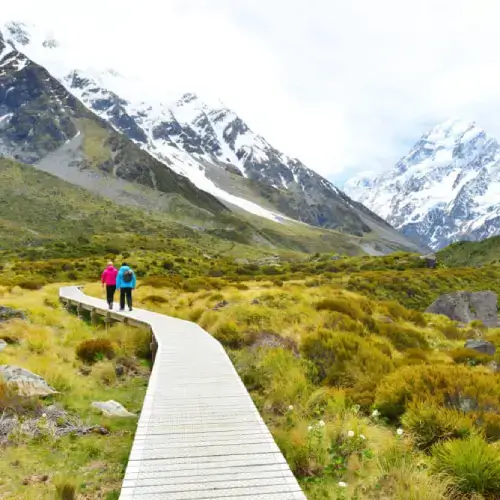 Your travel insurance policy should suit your travel itinerary so you can potentially avoid being surprised by unexpected costs. New Zealand is filled with exciting activities and immersive culture to experience, including:
- The Hobbiton movie set
- The epic ski resorts of Queenstown and Wanaka
- Bungee jumping off an Auckland tower
- The New Zealand national museum, Te Papa Tongarewa, in Wellington.
But every experience also has the opportunity for mishaps, which is why it’s important to have a financial safety net to protect your holiday. So, what policy features should you consider for your trip to New Zealand?
Unforeseen medical expenses
Australians have access to subsidised healthcare in New Zealand if they incur medical costs for essential treatment, thanks to the Reciprocal Health Care Agreement (RHCA). You will need to show your Australian passport and Medicare card when getting medical treatment.
However, this agreement doesn’t cover you for all medical expenses – just essential ones like hospital care and maternity services. A suitable travel insurance policy may cover additional expenses such as ambulance costs, GP services and evacuation and repatriation that you would otherwise have to pay yourself.
However, your insurance policy may not cover certain pre-existing medical conditions, and medical coverage varies from policy to policy. Find out more about coverage for pre-existing medical conditions here, and always read the PDS of your policy before purchasing.
Adventuring and ski trips
While in New Zealand, you’ll need to ensure your travel insurance policy covers any activities on your itinerary. Many policies offer optional coverage for adventure sports that you can add to your policy (for an additional premium).
New Zealand is well known for being skiing and snowboarding nirvana. However, these sports can be considered risky, so insurers may exclude it from their policies unless you purchase winter sports cover as an additional extra. This cover protects you against financial losses that occur on-piste which a standard policy won’t cover, including medical expenses, damaged equipment or cancelled ski passes due to piste closures.
If you’re unsure whether your policy will cover your activities, check your PDS or call your insurer and ask.
Lost, damaged or stolen belongings
Losing your belongings can quickly ruin a perfect holiday, but if you take out insurance before you leave, you may be reimbursed for your loss (usually up to specific limits listed in your policy). Keep in mind there are circumstances where you may not be covered; for example, if you left your luggage unattended when it was stolen.
However, if you take due care, you can be covered for the loss of your luggage, valuables, cash and travel documents (e.g. visa or passport). If your passport is lost or stolen, you’ll need to contact your insurer and the Australian consulate in New Zealand, as the consulate may be able to issue you with a replacement passport.2
Rental vehicle excess
Hiring a rental car and driving across the North and South islands is a popular option for tourists wishing to explore as much of the country as possible. If you’re in an accident and have to pay an excess to your rental vehicle company, your travel insurer may cover the excess payment. Most comprehensive travel insurance policies will either include rental vehicle excess cover automatically or offer it as an add-on to your policy.
In New Zealand, you don’t require an international driver’s licence; you can usually drive in New Zealand with a valid Australian licence for your first 12 months in the country. After that, you’ll need to apply for a New Zealand licence.3 Conditions may apply, so make sure to check this before you go.
Trip cancellations and travel delays
If your airline cancels your flight and you miss a bunch of tours, you’d usually be out of pocket unless you have a travel insurance policy with cancellation cover. In that case, your insurer may be able to cover those costs up to a certain value and only if your airline hasn’t already reimbursed you. If your flight is delayed, you may be covered for any additional expenses you incur as a result, such as unexpected accommodation costs.
If you have to cut your trip short or cancel it before it even begins, you may be covered for any related losses, such as cancellation fees or lost deposits. Always read your PDS before purchasing to understand what coverage is available to you and your insurer’s Target Market Determination (TMD) to check the policy suits your needs.
Natural disasters
New Zealand experiences its fair share of natural disasters, including volcanic eruptions, cyclones and flooding. The country also experiences earthquakes every year, and the entire coastline is at risk of a tsunami.3
In addition to geological activity, you may also experience severe weather like snow, heavy rainfalls, fog and high winds at certain times throughout the year.
If you run into issues abroad because of the weather or natural disasters, your policy may pay for medical expenses and lost luggage, as well as cancellations if the Australian Government issues a travel warning for your destination.
Check the Smartraveller website before you leave for updated travel advice, and make sure there aren’t any current travel warnings for the region you plan on visiting.
What’s excluded from travel insurance for New Zealand?
Travel insurance for New Zealand won’t cover you for every scenario. Each travel insurance provider will have their own list of exclusions, which you can find in your policy’s PDS. However, here are a few common exclusions that can catch you out:
- Injuries resulting from an incident where you were under the influence of drugs or alcohol.
- If you leave your luggage unsupervised in a public place and it’s stolen.
- Claims involving winter sports, like skiing and snowboarding (unless you’re covered by a winter sports add-on to your policy).
- If you were driving a car, scooter or motorcycle without a valid driver’s licence, or weren’t wearing appropriate headgear.
- Pre-existing medical conditions that haven’t been declared to your insurer and agreed to be covered.
Meet our travel insurance expert, Adrian Taylor
As a General Insurance expert with over 13 years’ experience in financial services, Adrian Taylor believes in educating customers about the importance of travel insurance so that anyone can kick back and make the most of their time away from home. While no one wants a disrupted holiday, a suitable travel insurance policy can provide a financial safety net for yourself, your belongings and your trip in case things go wrong.
Find out more about travel insurance
1 Australian Government Department of Foreign Affairs and Trade. Consular State of Play 2021-22. Accessed July 2023.
2 Smartraveller, Australian Department of Foreign Affairs and Trade. Consular Services Charter. Updated May 2022. Accessed July 2023.
3 Smartraveller, Australian Department of Foreign Affairs and Trade. New Zealand. Updated May 2023. Accessed July 2023.